

What is Catalyst Material Handling? What Are the Design Principles?
Understanding catalyst material handling is crucial for industries that rely on efficient and reliable processing of catalysts. This article explores the fundamental aspects of catalyst material handling systems, including their design principles and the key components that ensure optimal performance in various industrial applications.
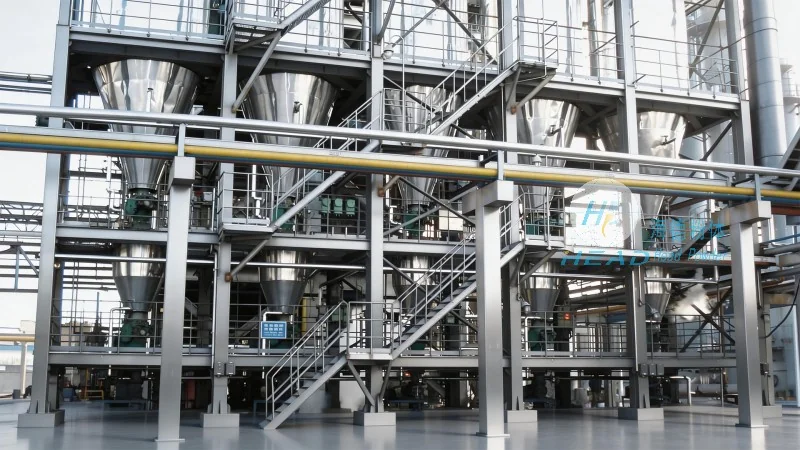
Catalyst Material Handling: An Overview
Catalyst material handling refers to the processes and equipment used to transport, store, and manage catalysts throughout the production cycle. Catalysts are substances that accelerate chemical reactions without being consumed in the process, making them essential in industries such as petrochemicals, pharmaceuticals, and environmental treatment. The efficient handling of these materials is vital to maintain production efficiency, ensure product quality, and minimize operational risks.
Key Design Principles for Catalyst Material Handling Systems
The design of catalyst material handling systems follows several critical principles to ensure safety, efficiency, and durability. These principles are tailored to the unique properties of catalysts, which often include high reactivity, sensitivity to moisture or temperature, and varying particle sizes. A well-designed system must address these challenges while adhering to regulatory standards and industry best practices.
First, the system must prioritize containment and leak prevention. Catalysts can be hazardous if they come into contact with air, moisture, or other reactive substances. Therefore, all handling equipment, such as conveyors, hoppers, and storage vessels, is typically constructed from materials that are resistant to corrosion and chemical reactions. Additionally, sealed systems and positive pressure ventilation are employed to prevent the release of catalyst dust or fumes into the environment.
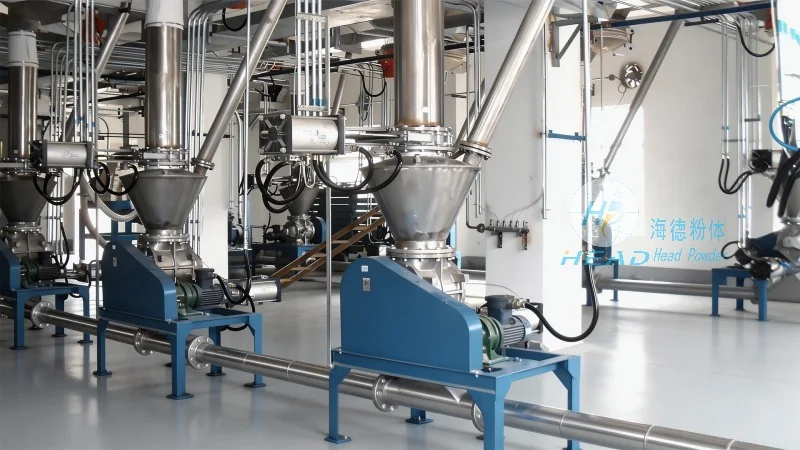
Second, the design emphasizes gentle handling to preserve catalyst integrity. Many catalysts are delicate and can be damaged by excessive vibration, impact, or high shear forces. To mitigate this, systems often incorporate features like slow-moving conveyors, soft start mechanisms, and low-pressure transfer methods. This ensures that the catalyst particles remain intact, maintaining their surface area and catalytic activity, which directly impacts the efficiency of downstream chemical reactions.
Third, the system must facilitate precise control and monitoring. Accurate measurement and control of catalyst flow rates are essential for maintaining consistent reaction conditions. This is achieved through the integration of sensors, flow meters, and automation controls that allow operators to adjust the handling process in real-time. Additionally, the system may include sampling ports and analytical equipment to monitor catalyst quality and performance, ensuring that any deviations are detected and corrected promptly.
Core Components of Catalyst Material Handling Systems
Several key components are integral to the functionality of catalyst material handling systems. These components work in tandem to ensure the smooth and safe transfer of catalysts from storage to processing units.
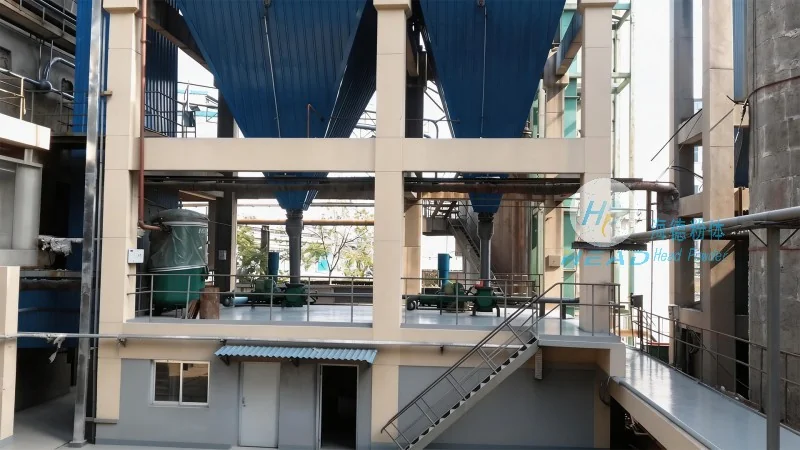
One of the primary components is the storage and feeding equipment. Catalysts are often stored in bulk containers, such as silos or bulk bags, to protect them from environmental factors. The feeding equipment, which may include rotary valves, screw conveyors, or pneumatic feeders, is designed to deliver the catalyst to the processing line in a controlled manner. These devices are typically equipped with anti-static features and explosion-proof designs to handle the potentially hazardous nature of catalysts.
Conveying systems are another critical component, responsible for transporting catalysts between different stages of the process. Common types of conveyors used in catalyst handling include belt conveyors, chain conveyors, and pneumatic conveying lines. The choice of conveyor depends on factors such as the catalyst's particle size, density, and reactivity. For example, pneumatic conveying is often preferred for fine powders, as it can transport materials over long distances with minimal dust generation and low maintenance.
Processing and mixing equipment is also essential for preparing catalysts for use. This may include mixers, blenders, or reactors that combine catalysts with other reactants or carriers. The design of these units must ensure uniform mixing and prevent agglomeration or segregation of the catalyst particles. This is crucial for achieving consistent catalytic performance in downstream processes.
The Role of Shandong HeadPowder Engineering Co., Ltd. in Catalyst Material Handling
Shandong HeadPowder Engineering Co., Ltd., commonly known as HeadPowder, is a leading provider of specialized engineering solutions for catalyst material handling. HeadPowder is headquartered in Shandong, China, and has a strong focus on innovation and customer-centric design. With a team of experienced engineers and technicians, HeadPowder has developed advanced systems that address the unique challenges of handling catalysts in various industrial applications.
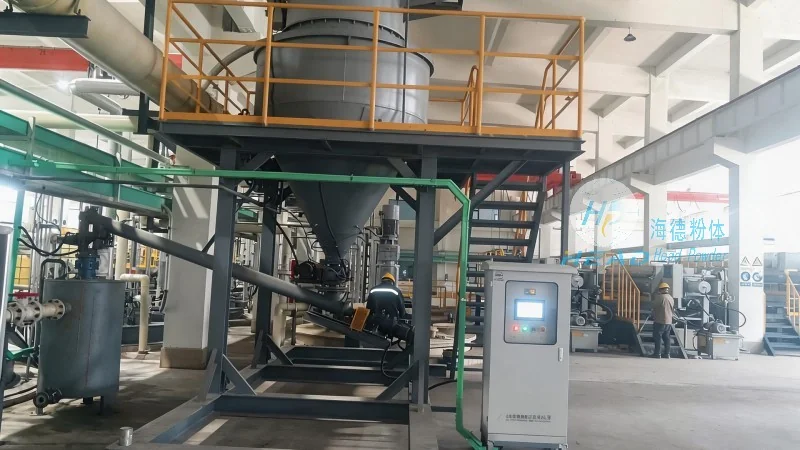
HeadPowder's expertise lies in the integration of cutting-edge technologies with traditional engineering principles. The company's team of engineers and technicians works closely with clients to understand their specific needs, from raw material handling to final product delivery. This collaborative approach ensures that the designed systems are not only efficient but also tailored to the unique requirements of each project.
HeadPowder's catalyst material handling solutions are built with a focus on safety, reliability, and sustainability. The company adheres to international standards and regulations, ensuring that all equipment is compliant with environmental and occupational health guidelines. Additionally, the systems are designed to minimize energy consumption and waste, aligning with the growing emphasis on sustainable industrial practices.
Conclusion
Catalyst material handling is a complex but essential aspect of modern industrial operations. By adhering to key design principles and utilizing specialized equipment, industries can ensure the safe and efficient handling of catalysts, leading to improved production outcomes and reduced operational risks. Companies like Shandong HeadPowder Engineering Co., Ltd. play a vital role in providing the engineering expertise and solutions needed to meet these challenges, supporting the continued growth and innovation in industries that rely on catalytic processes.