

What is Polyurethane Material Handling? Understanding Its Design Principles
Polyurethane material handling systems represent a critical component in modern industrial operations, offering efficient and reliable solutions for transporting various materials. These systems utilize polyurethane components, such as conveyor belts, rollers, and other handling equipment, to facilitate the movement of bulk materials, powders, and other substances. The design principles behind these systems are tailored to optimize performance, durability, and adaptability to diverse operational conditions.
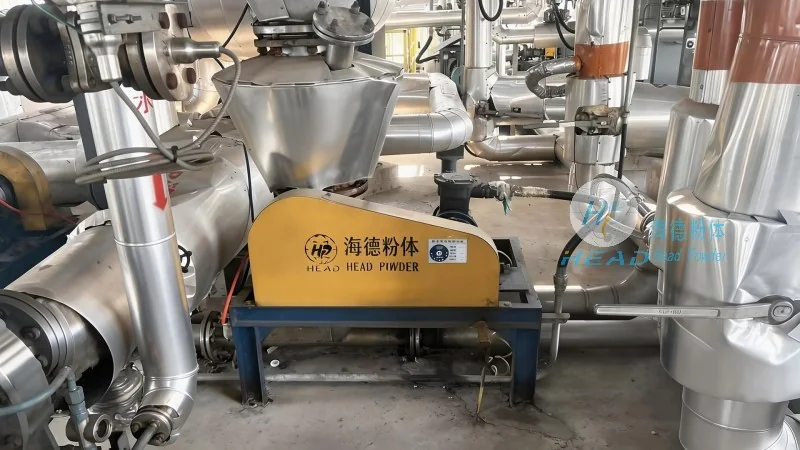
Key Components and Functionality of Polyurethane Material Handling
Polyurethane material handling systems typically consist of several key components that work in tandem to ensure smooth material transport. The primary elements include conveyor belts, which are often made from durable polyurethane elastomers, and rollers or idlers that support the belt and facilitate movement. These components are engineered to withstand heavy loads and harsh environments, making them suitable for a wide range of industrial applications.
Conveyor belts in polyurethane material handling systems are designed to handle different types of materials, from fine powders to bulk solids. The material properties of polyurethane, such as its high abrasion resistance and flexibility, contribute to the belt's ability to maintain performance over extended periods. Additionally, the belts can be customized with different surfaces, like smooth or textured patterns, to enhance grip and prevent material slippage.
Design Principles for Efficient Polyurethane Material Handling
The design principles of polyurethane material handling systems focus on optimizing several critical factors, including load capacity, speed, and durability. Engineers consider the specific characteristics of the materials being transported, such as their weight, size, and flow properties, to determine the appropriate system configuration. For instance, a system handling abrasive powders may require a belt with enhanced wear resistance, while a system transporting lighter materials might prioritize flexibility and cost-effectiveness.
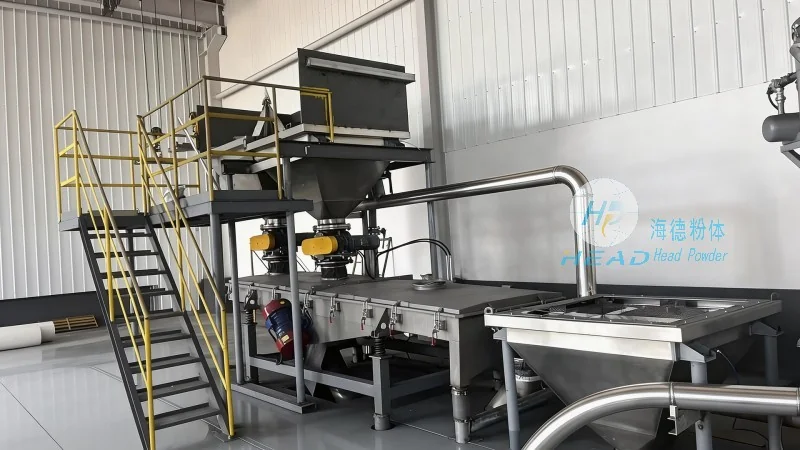
Another key design principle is the integration of maintenance and operational efficiency. Polyurethane components are known for their low maintenance requirements compared to traditional metal or rubber alternatives. This is achieved through their resistance to corrosion, chemical exposure, and wear, reducing downtime and operational costs. The design also emphasizes ease of cleaning and replacement, ensuring that the system can be quickly restored to optimal performance.
Applications and Industries Benefiting from Polyurethane Material Handling
Polyurethane material handling systems are widely used across various industries, including manufacturing, mining, food processing, and logistics. In manufacturing, they are essential for transporting raw materials to production lines and finished products to packaging areas. Mining operations rely on these systems to move bulk ores and minerals from extraction sites to processing facilities. The food processing industry benefits from polyurethane's hygienic properties, as it is non-porous and easy to clean, ensuring compliance with food safety regulations.
In logistics and warehousing, polyurethane conveyor systems streamline the movement of packages and goods, improving efficiency and reducing handling time. The adaptability of polyurethane materials allows for customization to meet specific operational needs, such as inclined or curved conveyor paths, which can enhance workflow in complex environments.
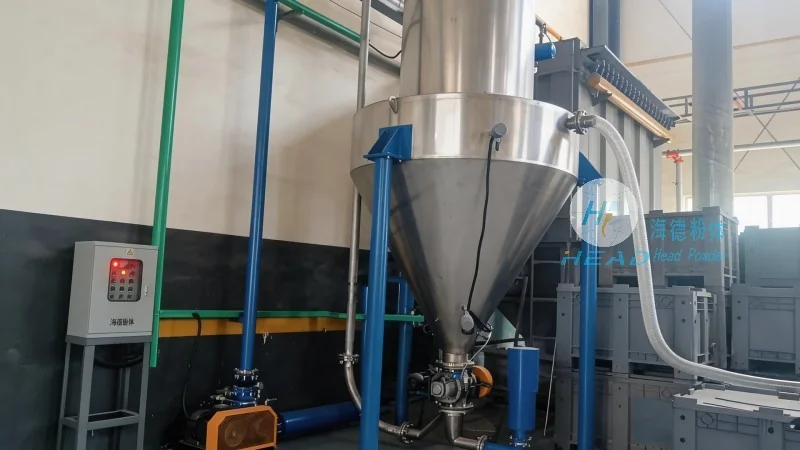
Advantages of Choosing Polyurethane for Material Handling
There are several advantages to using polyurethane in material handling applications. The primary benefit is its exceptional durability and resistance to wear and tear, which extends the lifespan of the equipment. Polyurethane is also resistant to a wide range of chemicals, making it suitable for environments where exposure to solvents, acids, or other corrosive substances is common. Additionally, its lightweight nature reduces the overall load on the system, lowering energy consumption and maintenance costs.
Another advantage is the material's flexibility, which allows for the design of systems that can accommodate irregular or uneven surfaces. This adaptability is particularly useful in industries where the material being handled may vary in size or shape. The non-stick properties of polyurethane also help prevent material buildup on conveyor surfaces, reducing the risk of clogs and improving overall system performance.
Customization and Innovation in Polyurethane Material Handling Solutions
HeadPowder, a leading provider of engineering solutions, specializes in designing and manufacturing polyurethane material handling systems tailored to specific customer needs. With a focus on innovation and quality, HeadPowder ensures that each system is optimized for performance and longevity. The company's expertise lies in understanding the unique challenges of different industries and developing customized solutions that address those challenges effectively.
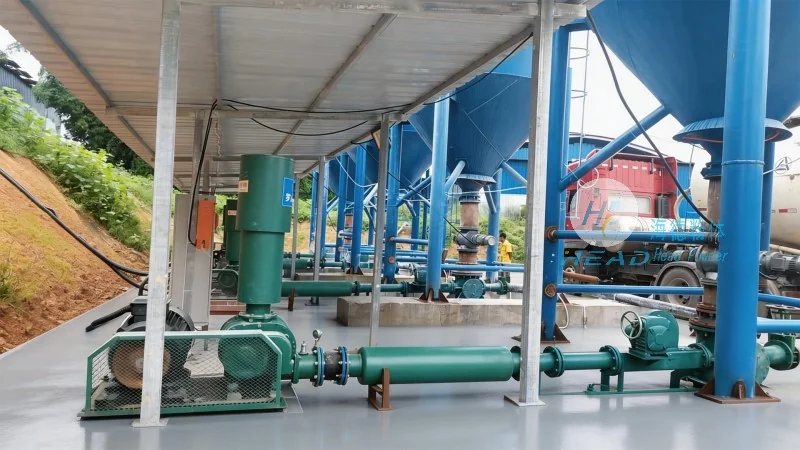
HeadPowder's approach to polyurethane material handling involves a comprehensive design process that considers factors such as load capacity, speed, and environmental conditions. By leveraging advanced engineering techniques and high-quality materials, the company delivers systems that meet or exceed industry standards. The company's commitment to customer satisfaction is reflected in its ability to provide tailored solutions that enhance operational efficiency and reduce costs.
Conclusion: The Role of Polyurethane in Modern Material Handling
Polyurethane material handling systems play a vital role in modern industrial operations, offering reliable and efficient solutions for transporting a wide range of materials. The design principles behind these systems prioritize durability, adaptability, and low maintenance, making them an ideal choice for various applications. As industries continue to evolve, the demand for advanced material handling solutions will only increase, and polyurethane technology will remain at the forefront of innovation.
Shandong HeadPowder Engineering Co., Ltd., based in China, is a key player in the development and application of polyurethane material handling systems. With a strong focus on quality and customer service, the company has established itself as a trusted partner for businesses seeking to enhance their material handling capabilities. The company's commitment to excellence and innovation ensures that it remains at the forefront of the industry, providing solutions that meet the evolving needs of modern manufacturing and logistics.