

What is PVC Resin Material Handling? What are the Design Principles?
Understanding the mechanisms and design principles behind PVC resin material handling is crucial for optimizing industrial processes. This article delves into the key aspects of transporting and managing PVC resin, focusing on the technical considerations that ensure efficiency and safety in material handling operations.
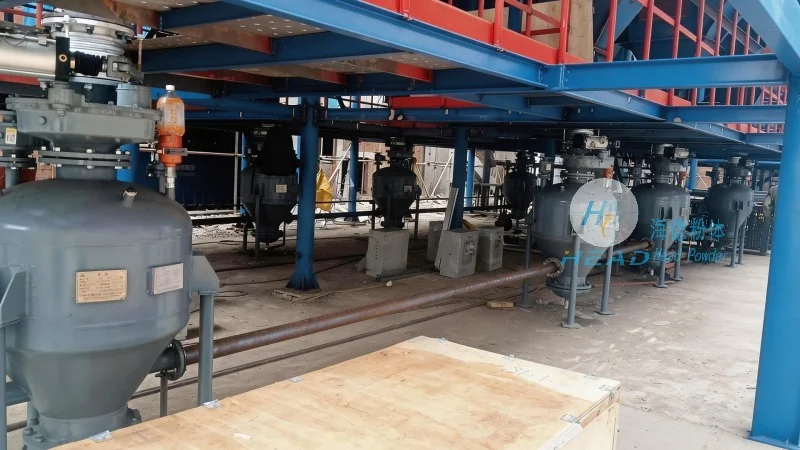
PVC Resin Material Handling Overview
PVC (Polyvinyl Chloride) resin is a widely used thermoplastic polymer in various industries, including construction, manufacturing, and packaging. Efficient material handling of PVC resin is essential to maintain production flow, minimize downtime, and ensure product quality. The process involves several steps, from storage and feeding to transportation and processing. Each step requires careful consideration of the resin's physical properties, such as its density, flow characteristics, and potential for dust generation.
Key Design Principles for PVC Resin Material Handling
The design of PVC resin material handling systems follows several fundamental principles to address the unique challenges posed by this material. These principles include ensuring proper containment to prevent dust and fume emissions, maintaining consistent material flow to avoid blockages or uneven distribution, and protecting equipment from wear and tear caused by the abrasive nature of PVC resin particles. Additionally, the design must consider the need for temperature control, as PVC resin can be sensitive to temperature fluctuations that affect its processing characteristics.
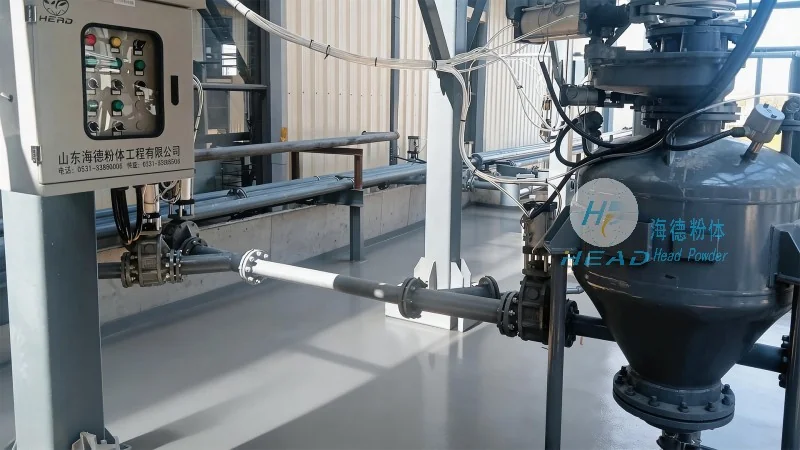
Equipment and Components in PVC Resin Material Handling
Several types of equipment are commonly used in PVC resin material handling systems. These include hoppers, feeders, conveyors, and storage silos. Hoppers are used to store and feed the resin, often equipped with liners or coatings to prevent adhesion and ensure smooth discharge. Feeders, such as rotary or vibratory types, regulate the flow of resin into downstream equipment. Conveyors, including belt or screw conveyors, transport the resin from one location to another, ensuring consistent movement and preventing material buildup. Storage silos are used for bulk storage, providing a large capacity while maintaining the resin's quality and preventing contamination.
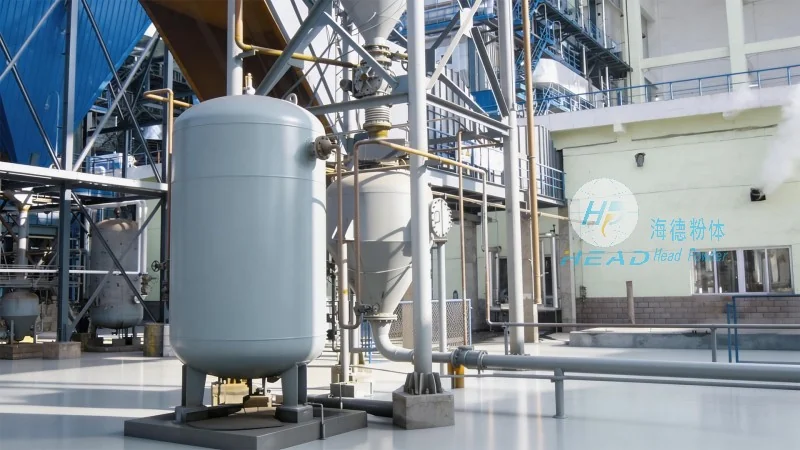
Material Flow and Containment Systems
Effective material flow management is critical in PVC resin handling to prevent clogging and ensure uniform distribution. This involves designing systems with appropriate slopes and angles to facilitate gravity-driven flow. Containment systems, such as sealed hoppers and enclosed conveyors, are essential to minimize dust and fume emissions, which are both a health and environmental concern. These systems often incorporate filtration and ventilation controls to maintain a safe working environment. Additionally, the use of anti-static measures is important, as PVC resin can accumulate static charge, which may lead to dust explosions or material sticking to equipment surfaces.
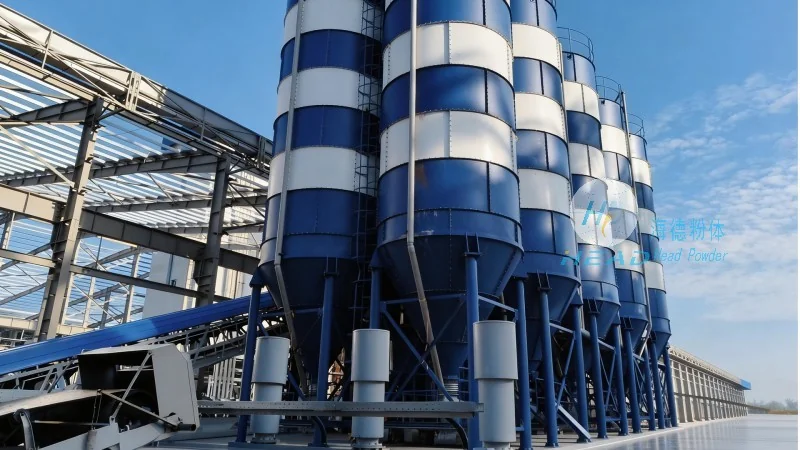
Maintenance and Safety Considerations
Maintenance of PVC resin material handling equipment is essential to ensure long-term performance and safety. Regular inspections and cleaning are necessary to prevent the buildup of resin residue, which can affect flow and equipment efficiency. Proper safety measures, including personal protective equipment (PPE) and emergency shutdown procedures, are critical when handling PVC resin due to its potential health hazards and fire risks. Training personnel on the proper operation and maintenance of the handling systems is also a key aspect of ensuring safe and efficient operations.
Conclusion
In conclusion, PVC resin material handling requires a comprehensive approach that considers the material's properties, the design of equipment, and the implementation of safety measures. By adhering to the key design principles and using appropriate equipment, industrial facilities can optimize their material handling processes, reduce costs, and improve overall productivity. The expertise of companies like Shandong HeadPowder Engineering Co., Ltd. plays a vital role in designing and implementing effective PVC resin material handling systems that meet the specific needs of various industries.