

What is Ceramic Material Handling? Exploring Its Design Principles
Ceramic material handling refers to the processes and systems used to transport, store, and manage ceramic materials throughout various stages of production and processing. This encompasses a wide range of applications, from raw material handling in manufacturing facilities to finished product transport in industrial settings. The efficiency and reliability of ceramic material handling systems are critical to maintaining production flow and ensuring product quality in industries such as ceramics, glass, and related manufacturing sectors. Shandong HeadPowder Engineering Co., Ltd. specializes in designing and implementing advanced ceramic material handling solutions tailored to the unique needs of industrial clients.
Key Components of Ceramic Material Handling Systems
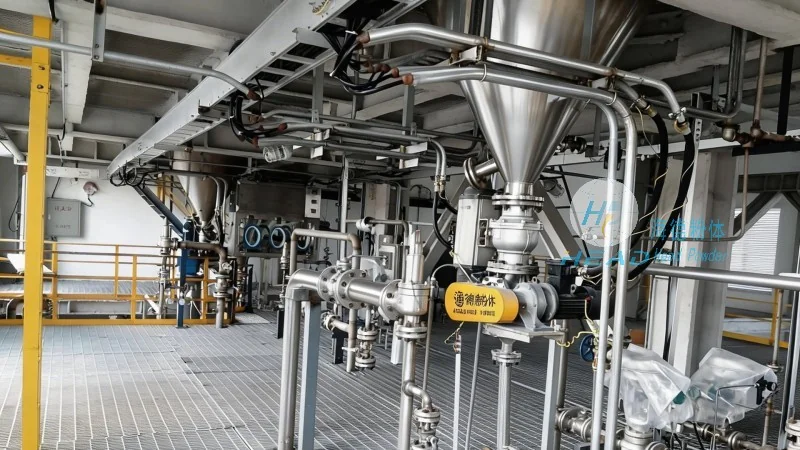
Effective ceramic material handling systems typically include several key components designed to optimize material movement and minimize downtime. These components may include conveyors, elevators, storage solutions, and material handling equipment tailored to the specific characteristics of ceramic materials. For instance, conveyors may be equipped with specialized belts or rollers to handle the abrasive nature of ceramic powders or finished products. Elevators and vertical transport systems are often used to move materials between different levels of a facility, ensuring smooth vertical material flow. Storage solutions, such as silos or bulk storage tanks, are essential for managing raw ceramic materials like clay or powder, providing controlled storage and dispensing capabilities.
Design Principles for Efficient Ceramic Material Handling
The design of ceramic material handling systems follows several fundamental principles aimed at maximizing efficiency, safety, and durability. One key principle is the minimization of material handling steps, as each step introduces potential for loss, contamination, or damage. Systems are often designed with integrated processes to reduce the number of transfers required, streamlining material flow from raw material to finished product. Another critical principle is the consideration of material characteristics, including particle size, density, and abrasiveness. These factors influence the selection of equipment, such as the type of conveyor belt or the design of storage containers, to ensure compatibility and prevent equipment wear or failure. Additionally, ergonomic and safety considerations are paramount in design, as ceramic material handling often involves manual handling or close proximity to moving equipment. Proper safety measures, such as guards, emergency stops, and material containment systems, are integrated into the design to protect operators and maintain a safe working environment.
Applications of Ceramic Material Handling in Industrial Settings
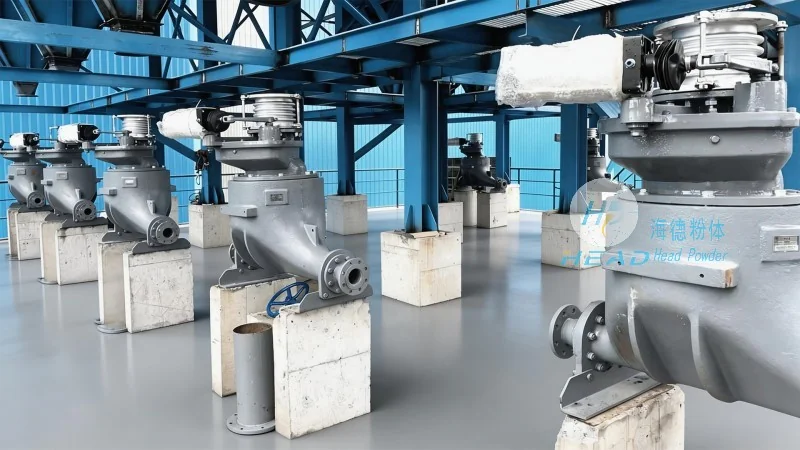
Ceramic material handling systems are widely used across various industrial applications, each requiring tailored solutions to meet specific operational needs. In the ceramics manufacturing industry, for example, material handling systems are crucial for transporting raw materials like clay, feldspar, and other minerals from storage to processing lines. These systems may involve bulk handling equipment, such as screw conveyors or bucket elevators, to move large volumes of raw materials efficiently. During the production process, material handling systems are also used to transport intermediate products, such as ceramic slurry or pre-fired components, between different production stages. In the glass industry, similar material handling principles apply, with systems designed to handle molten glass or finished glass products. The design of these systems must account for the high temperatures and chemical properties of glass, using specialized equipment like chain conveyors or roller systems to ensure safe and effective material transport. Additionally, in research and development settings, ceramic material handling systems may be used to handle small batches of experimental materials, requiring precision and flexibility in design to accommodate varying material types and quantities.
Factors Influencing the Selection of Ceramic Material Handling Equipment
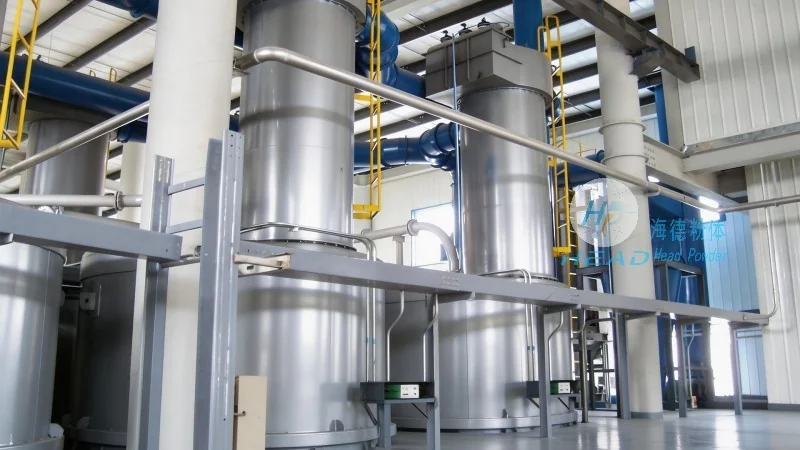
The choice of ceramic material handling equipment is influenced by several factors, including the type of material being handled, production volume, and operational environment. For instance, when handling fine ceramic powders, equipment such as pneumatic conveying systems or air slides may be preferred due to their ability to transport materials with minimal dust and contamination. These systems use air pressure to move powders through pipes, reducing the need for mechanical contact and minimizing material degradation. In contrast, for handling larger ceramic pieces or finished products, mechanical conveyors like belt conveyors or roller conveyors are often more suitable. These systems provide reliable horizontal or inclined transport, capable of handling heavier loads and more robust materials. The production volume also plays a significant role in equipment selection. High-volume operations may require continuous or automated material handling systems, such as automated storage and retrieval systems (AS/RS) or automated conveyor networks, to maintain consistent throughput. Conversely, low-volume or batch production may benefit from more flexible equipment, such as manual or semi-automatic conveyors, allowing for adjustments based on changing production needs. Finally, the operational environment, including space constraints, environmental conditions, and safety regulations, influences equipment design. For example, in facilities with limited vertical space, vertical conveyors or hoists may be preferred to optimize space utilization. In environments with high dust or moisture, equipment with sealed or weatherproof designs may be necessary to maintain operational integrity and protect materials from contamination.
Advantages of Optimized Ceramic Material Handling Systems
Implementing well-designed ceramic material handling systems offers numerous advantages for industrial operations. One primary benefit is improved efficiency and productivity, as streamlined material flow reduces downtime and increases throughput. By minimizing the number of handling steps and integrating processes, companies can achieve faster production cycles and better resource utilization. Another advantage is enhanced product quality and consistency. Proper material handling reduces the risk of contamination, damage, or loss, ensuring that materials reach the next production stage in optimal condition. This leads to higher quality finished products and reduced waste. Additionally, optimized systems contribute to cost savings through reduced equipment wear and maintenance. By selecting equipment tailored to material characteristics and operational needs, companies can extend equipment lifespan and lower maintenance costs. Furthermore, improved safety and compliance are critical advantages, as modern material handling systems incorporate advanced safety features to protect operators and meet regulatory requirements. These systems help reduce workplace accidents and ensure compliance with occupational health and safety standards, creating a safer working environment. Finally, flexibility and adaptability are key benefits, as well-designed systems can accommodate changes in production processes or material types, allowing companies to adapt to evolving market demands and operational needs.