

What is Mine Material Handling? And What Are Its Design Principles?
Mine material handling is a critical aspect of modern mining operations, encompassing the processes and systems used to transport, store, and manage bulk materials such as ores, rocks, and waste. This essential function ensures the smooth flow of resources from extraction sites to processing facilities, directly impacting operational efficiency and cost-effectiveness. Understanding the fundamentals of mine material handling and its underlying design principles is vital for optimizing mining productivity and maintaining safety standards.
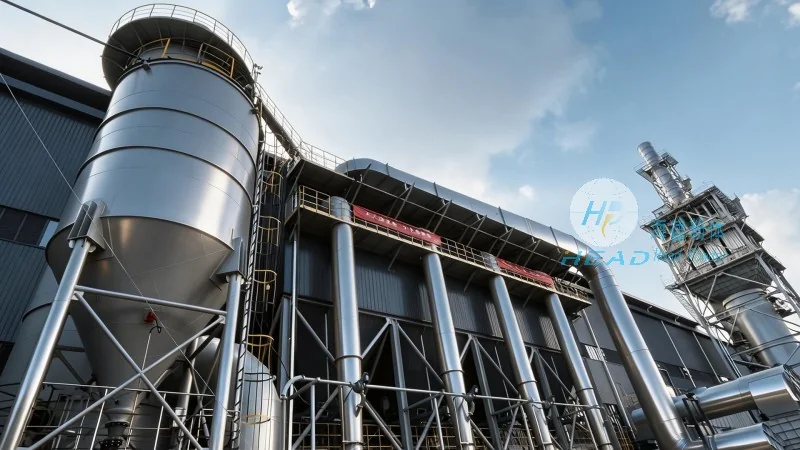
Understanding Mine Material Handling: An Overview
Mine material handling involves a range of activities, from loading and unloading equipment to the movement of materials over long distances. It includes both fixed and mobile systems, such as conveyor belts, trucks, and hoists, each tailored to the specific requirements of the mining site. The goal is to minimize downtime, reduce energy consumption, and enhance overall operational reliability. Effective material handling systems are integral to the success of mining projects, as they directly influence the throughput and profitability of the operation.
Key Design Principles for Efficient Material Transport in Mining Operations
The design of mine material handling systems follows several core principles to ensure optimal performance. First, the principle of simplicity and reliability is paramount, as complex systems are prone to failures and require extensive maintenance. Engineers prioritize robust, durable components that can withstand harsh environmental conditions, including extreme temperatures, dust, and moisture. Second, the principle of scalability is crucial, as mining operations often expand over time, requiring systems that can adapt to increased material volumes and changing site layouts. This involves modular designs that allow for easy upgrades and modifications without disrupting ongoing operations.
Third, the principle of energy efficiency plays a significant role in modern mine material handling. As mining companies strive to reduce operational costs and environmental impact, systems are designed to minimize energy consumption while maximizing material throughput. This includes the use of advanced motor controls, variable speed drives, and energy recovery systems that capture and reuse kinetic energy from moving loads. Additionally, the principle of safety is integrated into every design, with features such as emergency stop mechanisms, load monitoring, and automated controls to prevent accidents and ensure the well-being of workers.
The Role of Shandong HeadPowder Engineering Co., Ltd. in Advanced Material Handling Solutions
Shandong HeadPowder Engineering Co., Ltd., commonly known as HeadPowder, is a leading provider of innovative material handling solutions tailored to the unique challenges of mining operations. With its headquarters in Shandong, China, the company specializes in designing, manufacturing, and implementing customized systems that meet the specific needs of clients worldwide. HeadPowder's expertise lies in integrating cutting-edge technology with practical engineering solutions, ensuring that each project is tailored to enhance efficiency, reduce costs, and improve safety.
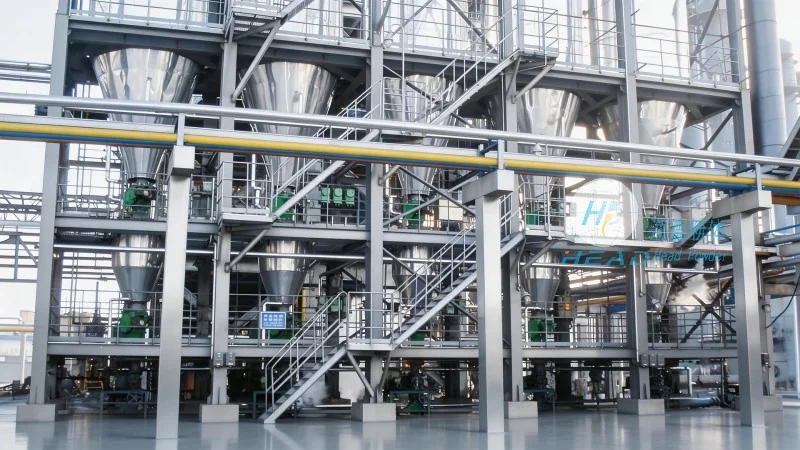
The company's approach to mine material handling design emphasizes a holistic perspective, considering not only the technical aspects of the system but also the broader operational context. This includes factors such as site geography, material characteristics, and regulatory requirements. By collaborating closely with clients, HeadPowder ensures that the final solution aligns with their long-term goals and operational objectives. The company's team of experienced engineers and technicians leverages advanced simulation tools and field testing to validate designs, guaranteeing that the systems perform as intended under real-world conditions.
Key Components and Technologies in Modern Mine Material Handling Systems
Modern mine material handling systems incorporate a variety of key components and technologies that contribute to their effectiveness. Conveyor belts, for example, are a fundamental element, used to transport materials over long distances with minimal energy input. These systems can be designed as belt conveyors, bucket elevators, or chain conveyors, each suited to different material types and operational requirements. The choice of conveyor type depends on factors such as the material's size, density, and moisture content, as well as the distance and elevation changes involved.
Trucks and loaders are another critical component, particularly in open-pit mining operations. These vehicles are designed to handle large volumes of material and operate efficiently in challenging terrain. Advanced truck loading systems, such as automated loading and unloading mechanisms, further enhance productivity by reducing manual labor and minimizing loading times. Additionally, the integration of GPS and telematics systems allows for real-time monitoring of vehicle performance, enabling operators to optimize routes and schedules.
Hoists and elevators are essential for vertical material transport, especially in underground mines. These systems are designed to safely lift heavy loads from deep levels to the surface, ensuring that materials are transported efficiently without compromising safety. Modern hoists incorporate features such as load monitoring, emergency braking, and automated control systems, which enhance reliability and reduce the risk of accidents. The design of hoist systems also considers factors such as load capacity, speed, and the need for redundancy to ensure continuous operation.
Optimizing Material Handling Through System Integration and Automation
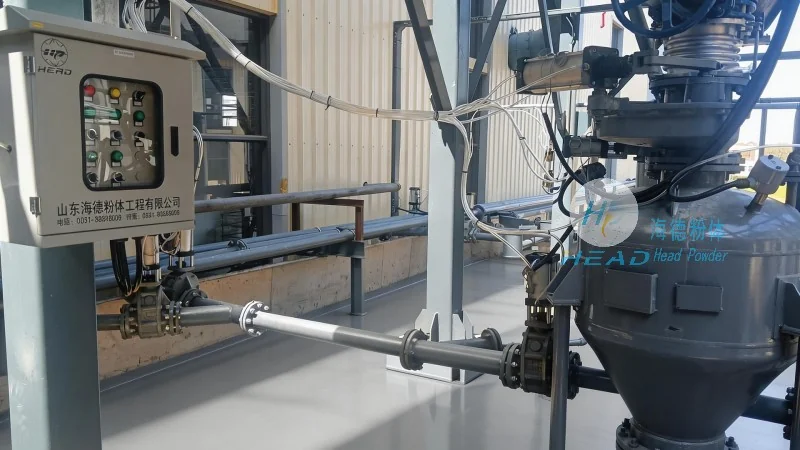
Efficient mine material handling requires the integration of various systems and the adoption of automation technologies. By connecting conveyor belts, trucks, and hoists into a unified control system, mining operations can achieve better coordination and real-time monitoring of material flow. This integration allows for dynamic adjustments to the system based on changing conditions, such as variations in material volume or equipment availability. Automation plays a crucial role in reducing human error and improving consistency, as automated systems can operate 24/7 without fatigue or distraction.
Advanced control systems, such as programmable logic controllers (PLCs) and supervisory control and data acquisition (SCADA) systems, enable operators to monitor and control material handling processes from a central location. These systems provide real-time data on key performance indicators (KPIs), including throughput, energy consumption, and equipment status. By analyzing this data, mining companies can identify areas for improvement and implement corrective actions to enhance operational efficiency. Additionally, the use of artificial intelligence (AI) and machine learning (ML) algorithms can predict equipment failures and optimize maintenance schedules, reducing downtime and maintenance costs.
Challenges and Solutions in Mine Material Handling
Despite the advancements in technology, mine material handling still faces several challenges that impact operational efficiency. One of the primary challenges is the variability of material characteristics, which can affect the performance of handling systems. For example, changes in ore size or moisture content can lead to increased friction and wear on conveyor belts, reducing their lifespan and increasing maintenance costs. To address this, engineers design systems with adjustable components, such as variable speed drives and tension controls, that can adapt to changing material conditions.

Another challenge is the harsh environmental conditions in mining sites, which can cause equipment to degrade faster than in other industries. Temperature fluctuations, dust, and corrosive substances can all impact the reliability of material handling systems. To mitigate these effects, materials are selected for their durability and resistance to environmental factors. For instance, conveyor belts are often made from high-strength synthetic materials that can withstand abrasion and chemicals, while equipment components are coated or treated to prevent corrosion.
Operational challenges, such as equipment breakdowns and labor shortages, also impact material handling efficiency. To address these, mining companies implement preventive maintenance programs and invest in redundant systems. Preventive maintenance involves regular inspections and servicing of equipment to identify and resolve issues before they cause downtime. Redundant systems, such as backup conveyor belts or alternative loading routes, ensure that operations can continue even if a primary system fails. Additionally, automation and remote monitoring technologies reduce the need for on-site personnel, minimizing the impact of labor shortages on material handling operations.
Future Trends in Mine Material Handling
As mining operations continue to evolve, the future of mine material handling is likely to be shaped by emerging technologies and trends. One of the most significant trends is the increasing adoption of autonomous vehicles and equipment. Autonomous trucks and loaders can operate without human drivers, reducing labor costs and improving safety by eliminating the risk of human error. These vehicles are equipped with sensors and navigation systems that allow them to operate in complex environments, such as open-pit mines, with high precision and efficiency.
Another trend is the integration of digital twins into material handling systems. A digital twin is a virtual replica of a physical system that can be used to simulate and optimize operations. By creating a digital twin of a mine material handling system, engineers can test different scenarios and identify the most effective design and operational strategies before implementing them in the real world. This approach reduces the risk of costly mistakes and enables faster innovation.