

What is Pulsed Material Handling? What are the Design Principles?
Understanding pulsed material handling systems is crucial for optimizing industrial processes, especially in sectors requiring precise and efficient movement of bulk materials. This article delves into the core concepts of pulsed material handling, exploring its design principles and the technology behind it. As a leading provider in the field, Shandong HeadPowder Engineering Co., Ltd. specializes in developing advanced solutions tailored to meet diverse industrial needs.
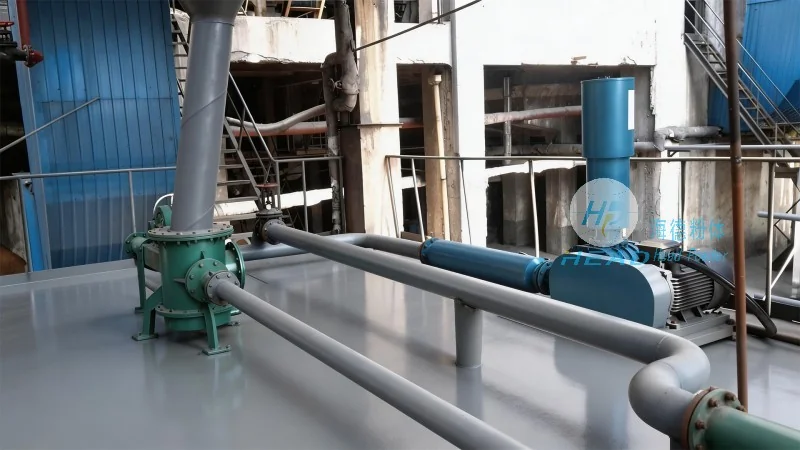
Pulsed Material Handling: An Overview
Pulsed material handling refers to a method of transporting bulk materials using periodic, controlled pulses of energy to move the material along a conveyor or transport system. Unlike continuous flow systems, pulsed handling allows for precise control over the speed and timing of material movement, making it ideal for applications where accuracy and efficiency are paramount. The system typically involves a series of components, including a hopper, a pulsing mechanism, and a discharge outlet, all working in tandem to ensure smooth and reliable material transport.
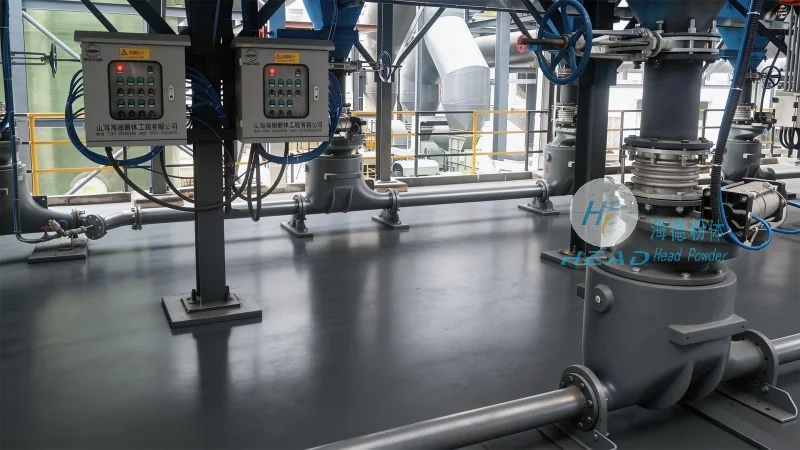
Key Components of Pulsed Material Handling Systems
The effectiveness of a pulsed material handling system depends on several critical components that work together to achieve optimal performance. The primary components include:
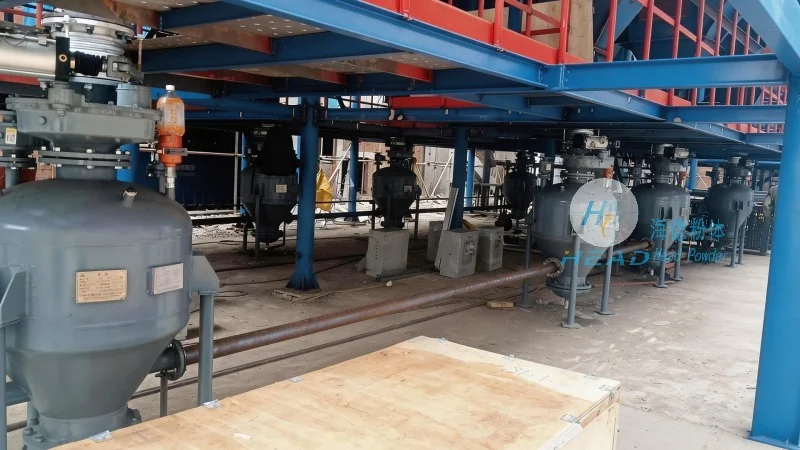
- Hopper: A container that holds the bulk material, providing a consistent feed to the system. The design of the hopper, including its shape and size, influences the flow characteristics of the material and ensures uniform feeding.
- Pulsing Mechanism: This is the heart of the system, responsible for generating the periodic pulses of energy. Common pulsing mechanisms include air valves, vibrators, or mechanical actuators that create a controlled pressure or vibration to push the material forward. The frequency and intensity of the pulses can be adjusted to match the material's properties and the desired transport speed.
- Conveyor or Transport Channel: The channel through which the material is moved. This can be a flexible hose, a rigid pipe, or a specialized conveyor belt, depending on the application. The channel's material and design must withstand the mechanical stresses and material abrasion to ensure durability and longevity.
- Discharge Outlet: The point where the material exits the system. The outlet is designed to control the flow rate and prevent backflow, ensuring that the material is delivered to the next stage of the process without interruption.
Design Principles for Pulsed Material Handling
The design of a pulsed material handling system follows several key principles aimed at maximizing efficiency, reliability, and adaptability. These principles include:
- Material Compatibility: The system must be designed to handle the specific properties of the material, such as its density, flowability, and abrasiveness. For example, materials with high moisture content or fine particles may require specialized hopper designs to prevent clogging and ensure smooth flow.
- Controlled Energy Application: The pulsing mechanism must apply energy in a controlled manner to avoid overloading the system or damaging the material. This involves precise control over the frequency, duration, and intensity of the pulses, which can be adjusted based on real-time conditions to maintain optimal performance.
- System Integration: Pulsed material handling systems are often integrated with other industrial equipment, such as mixers, classifiers, or processing units. The design must ensure seamless communication and coordination between these components to achieve a cohesive and efficient workflow.
- Durability and Maintenance: The system components are subjected to continuous mechanical stress and material abrasion. Therefore, the design incorporates durable materials and features that minimize wear and tear, reducing maintenance requirements and extending the system's operational life.
Applications and Benefits of Pulsed Material Handling
Pulsed material handling systems are widely used in various industries, including pharmaceuticals, food processing, chemicals, and mining. The benefits of this technology include:
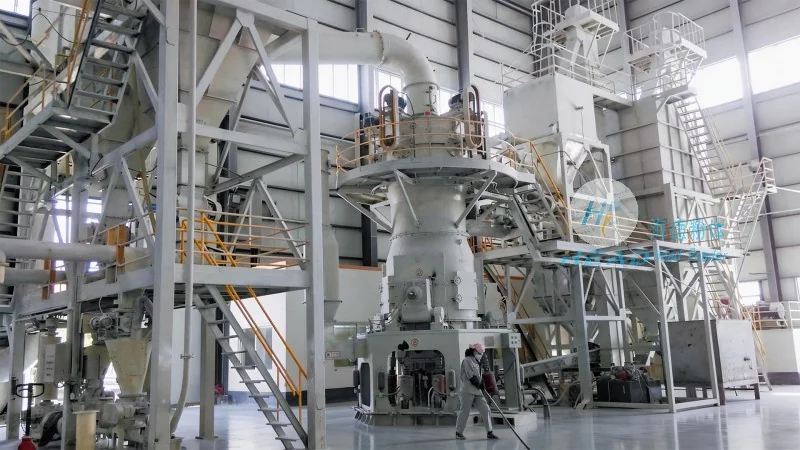
- Improved Process Control: Precise control over material flow allows for better process monitoring and adjustment, leading to higher product quality and consistency.
- Reduced Downtime: The controlled pulsing mechanism minimizes the risk of clogging and blockages, reducing downtime and maintenance costs.
- Energy Efficiency: By applying energy only when necessary, the system operates more efficiently, reducing energy consumption and operational costs.
- Flexibility: Pulsed systems can be easily adapted to handle different materials and process requirements, making them versatile for various industrial applications.
Conclusion
Pulsed material handling is a sophisticated and efficient method for transporting bulk materials, driven by precise design principles and advanced technology. Shandong HeadPowder Engineering Co., Ltd. leverages its expertise to develop customized pulsed material handling solutions that meet the unique needs of its clients, ensuring optimal performance and reliability in industrial operations. By understanding the core components and design principles of these systems, industries can enhance their productivity and streamline their material handling processes.