

Low-Pressure Continuous Material Handling: Understanding Its Design Principles
Low-pressure continuous material handling systems represent a sophisticated approach to transporting bulk materials efficiently and safely. These systems are designed to move materials in a continuous flow, often using low-pressure air or other forces, to minimize wear and tear on both the material and the equipment. Understanding the core concepts and design principles behind such systems is crucial for industries that rely on consistent and reliable material transport.
What is Low-Pressure Continuous Material Handling?
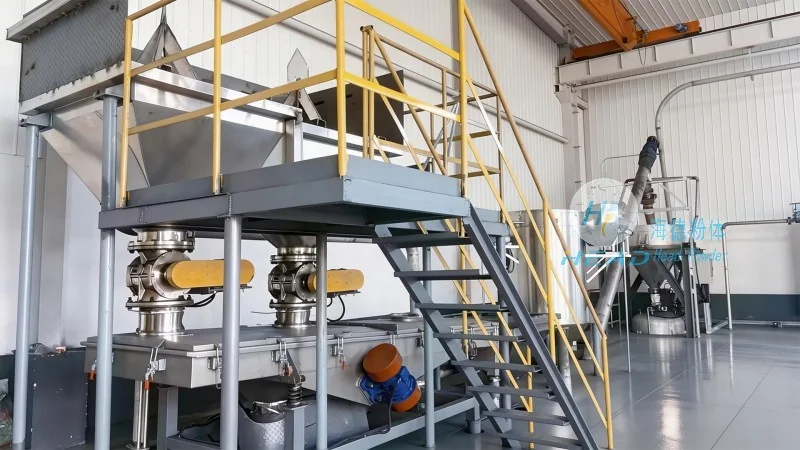
At its essence, low-pressure continuous material handling refers to the process of transporting bulk materials through a system that operates under low-pressure conditions. Unlike high-pressure systems that may cause material degradation or equipment damage, low-pressure methods utilize gentle forces to move materials, ensuring that the integrity of the material is preserved throughout the handling process. This approach is particularly valuable in industries dealing with delicate or sensitive materials, such as powders, granules, or fine particles.
The Core Design Principles of Low-Pressure Continuous Material Handling
The design of low-pressure continuous material handling systems is guided by several key principles aimed at optimizing performance, efficiency, and material protection. These principles include maintaining a consistent flow rate, minimizing pressure differentials to avoid material breakdown, and ensuring that the system can handle a wide range of material types without requiring frequent adjustments. Engineers focus on creating a seamless, continuous movement of materials from the source to the destination, reducing the need for manual intervention and improving overall operational reliability.
Key Components and Their Functions
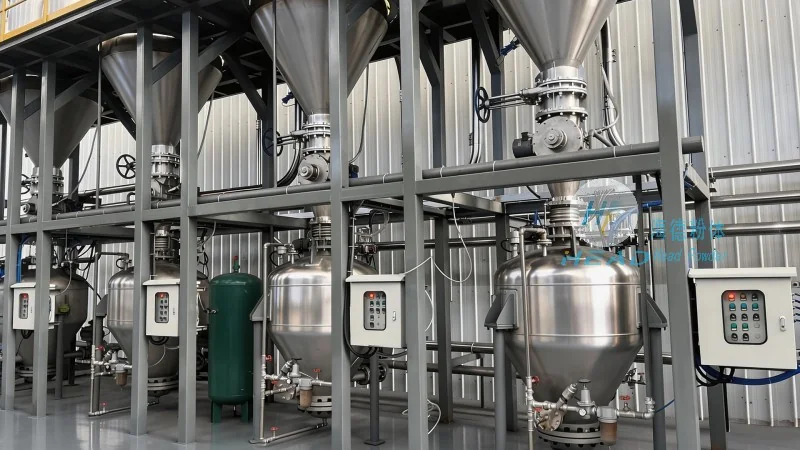
Low-pressure continuous material handling systems typically consist of several interconnected components, each playing a critical role in the overall operation. These components may include feeders, conveyors, airlocks, and control systems. The feeders are responsible for uniformly distributing the material into the system, while the conveyors use low-pressure air or other mechanisms to move the material along the path. Airlocks are used to isolate different sections of the system, preventing material from escaping or contaminants from entering. Control systems monitor and adjust the flow rate and pressure to maintain optimal performance.
Advantages of Low-Pressure Continuous Material Handling
Implementing low-pressure continuous material handling offers numerous advantages for industrial applications. One of the most significant benefits is the preservation of material quality, as the gentle handling reduces the risk of breakage, caking, or contamination. Additionally, these systems are energy-efficient, as they operate at lower pressures and often use less power compared to high-pressure alternatives. The continuous flow also enhances productivity by minimizing downtime and ensuring a steady supply of materials to downstream processes. Furthermore, the modular design of many low-pressure systems allows for easy integration with existing facilities and scalability to accommodate growing production needs.
Applications in Various Industries
Low-pressure continuous material handling systems find widespread application across multiple industries. In the pharmaceutical sector, for example, these systems are used to transport sensitive powders and granules, ensuring that the final product remains pure and free from contamination. In the food industry, they are employed to handle ingredients like flour, sugar, or spices, maintaining the quality and safety of the end products. The chemical industry also benefits from low-pressure systems when handling powders and granules that are prone to degradation or explosion under high pressure. Other industries, such as mining and agriculture, utilize these systems for transporting bulk materials like ores, grains, or fertilizers, improving efficiency and reducing labor costs.

HeadPowder Engineering: A Leader in Low-Pressure Material Handling Solutions
Shandong HeadPowder Engineering Co., Ltd., commonly known as HeadPowder, is a prominent manufacturer and supplier of low-pressure continuous material handling equipment. With a strong presence in China, particularly in Shandong, the company specializes in designing and manufacturing systems tailored to the specific needs of various industries. HeadPowder's expertise lies in creating customized solutions that balance efficiency, reliability, and cost-effectiveness. The company's products are engineered to meet international standards and are backed by rigorous testing to ensure performance and durability. By leveraging advanced technology and a deep understanding of material handling principles, HeadPowder helps clients optimize their material transport processes, leading to improved productivity and reduced operational costs.
Conclusion
Low-pressure continuous material handling represents a vital advancement in the field of bulk material transport, offering a balance of efficiency, safety, and material preservation. The design principles and components involved in these systems are carefully engineered to meet the demands of modern industrial applications. As industries continue to seek more sustainable and reliable solutions, low-pressure systems remain a preferred choice. Companies like Shandong HeadPowder Engineering Co., Ltd. play a crucial role in providing the technology and expertise needed to implement these systems effectively, contributing to the growth and success of various sectors worldwide.