

What is Intermittent Material Handling? Understanding Its Design Principles
Intermittent material handling systems are integral to modern industrial operations, providing a controlled method for transporting bulk materials in discrete batches or cycles. Unlike continuous flow systems that operate without interruption, intermittent material handling systems move materials in a step-by-step manner, offering precise control over quantity and timing. Understanding these systems is crucial for optimizing production processes and enhancing operational efficiency across various industries.
Core Characteristics of Intermittent Material Handling
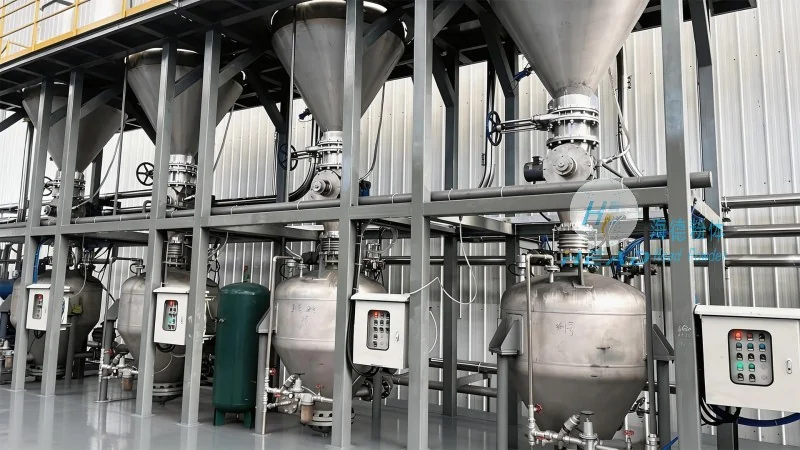
The defining features of intermittent material handling include discrete material movement, cycle-based operation, and adaptability to diverse material types. These systems are designed to handle materials in controlled increments, allowing for better management of inventory and production schedules. The intermittent nature enables operators to synchronize material flow with other processes, reducing bottlenecks and improving overall system performance. Key components such as conveyors, elevators, and hoists work in cycles to transport materials from one location to another, ensuring safety and efficiency in material transfer.
Design Principles for Effective Intermittent Material Handling
The design of intermittent material handling systems revolves around several critical principles that ensure functionality and reliability. Mechanical efficiency is a primary focus, aiming to minimize energy consumption while maximizing throughput. Load capacity is another essential factor, as systems must handle varying material weights and types without compromising safety. Operational flexibility allows for easy integration with existing production lines and adaptation to changing demands. These principles guide the selection of components like transfer devices, rotary tables, and conveyor systems, ensuring seamless material flow and reduced downtime.
Key Components and Mechanisms
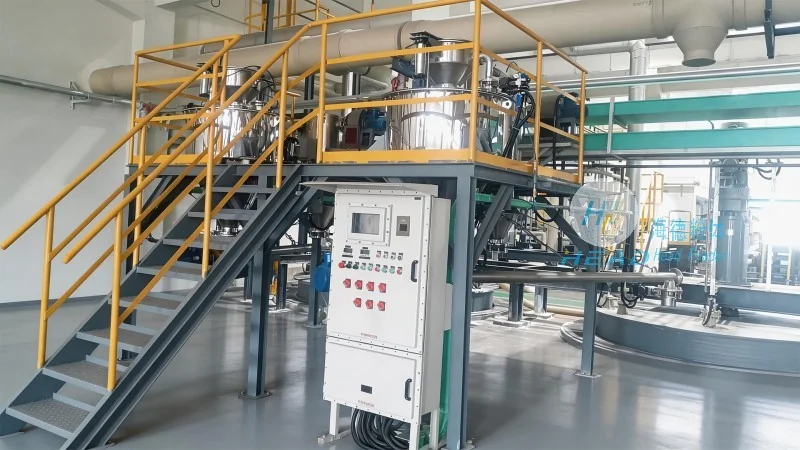
Intermittent material handling systems consist of several interconnected components that work together to achieve efficient material movement. Conveyors, for example, transport materials horizontally or at slight inclines, while elevators and hoists handle vertical or multi-level transfers. Transfer devices such as rotary tables and transfer tables facilitate movement between different sections of the system. The integration of these components is critical for creating a cohesive material flow, ensuring materials are moved safely and efficiently from origin to destination. Each component is designed to withstand heavy loads and harsh environments, contributing to the system's durability and long-term performance.
Applications Across Industries
Intermittent material handling solutions find widespread use in manufacturing, warehousing, and logistics sectors. In manufacturing, these systems transport raw materials to production lines and finished products to packaging areas. Warehousing operations benefit from efficient inventory movement between storage and loading docks, improving order fulfillment. Logistics and distribution centers rely on these systems to move goods through different stages of the supply chain, ensuring timely delivery. The versatility of intermittent material handling makes it suitable for industries ranging from food processing to heavy manufacturing, supporting productivity and operational efficiency.
Advantages of Implementing Intermittent Material Handling
Adopting intermittent material handling offers several benefits for businesses. Precise control over material flow reduces risks of shortages or overstocking, leading to better cost management. The adaptability of these systems allows businesses to scale operations without major infrastructure changes. Reliability minimizes downtime, enhancing productivity. Additionally, these systems improve workplace safety by reducing manual handling of heavy or hazardous materials. Overall, intermittent material handling contributes to enhanced operational efficiency and competitive advantage in modern industrial environments.
Factors to Consider When Selecting a System
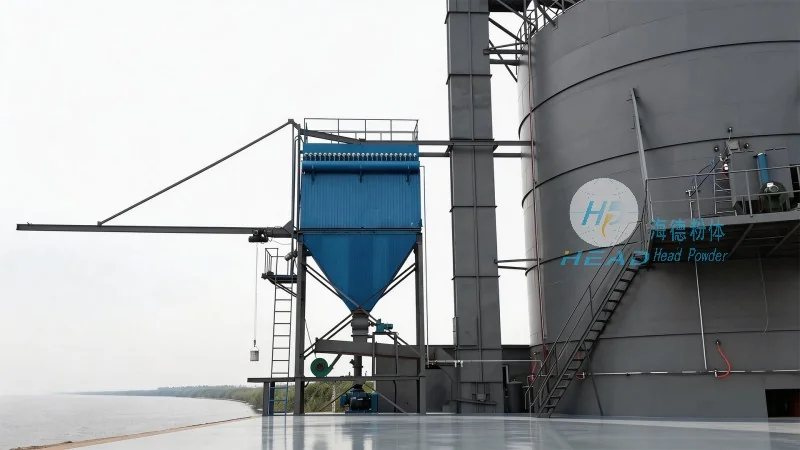
When choosing an intermittent material handling system, businesses must evaluate several factors. The type and volume of materials to be handled are primary considerations, as different systems accommodate various loads. Operational environment, including space constraints and environmental conditions, dictates appropriate equipment. Cost, including initial investment and long-term maintenance, is another critical factor. Compatibility with existing production lines and availability of support services also play a role. By carefully assessing these factors, businesses can select a system that meets their operational needs and supports long-term growth.
Conclusion: The Importance of Intermittent Material Handling
In summary, intermittent material handling systems are essential tools for modern industry, providing reliable and efficient material transport in discrete batches. The design principles and components of these systems are tailored to meet diverse industrial needs, offering advantages such as precise control, adaptability, and improved productivity. As businesses evolve, the role of intermittent material handling in optimizing production processes and enhancing operational efficiency remains vital. By selecting the right system and leveraging expert design, organizations can achieve significant improvements in performance and competitive positioning.