

What is a Sorghum Wine Lees Powder Conveying System and Its Design Principles
Understanding the sorghum wine lees powder conveying system is crucial for industries involved in the production of sorghum-based alcoholic beverages. This equipment is specifically designed to handle the transportation of lees, a byproduct of the fermentation process, from one location to another within a production facility. The system ensures efficient and safe movement of these powdery materials, which are rich in nutrients and can be repurposed for various applications.
Introduction to Sorghum Wine Lees Powder Conveying Systems
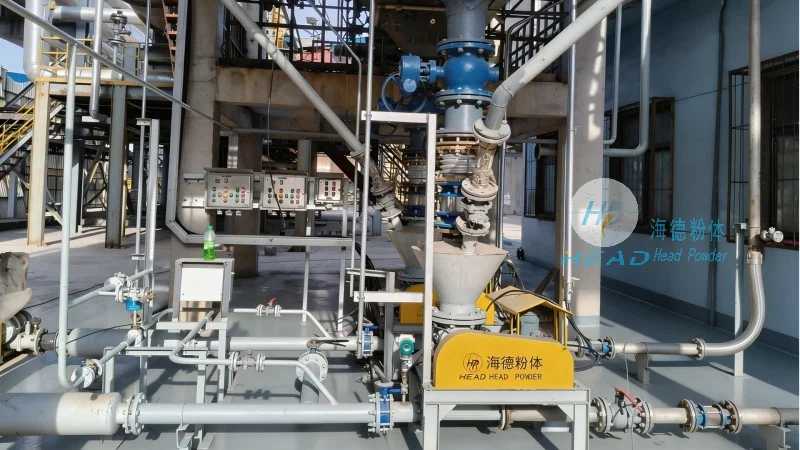
A sorghum wine lees powder conveying system is a specialized piece of industrial equipment used in the food and beverage sector. It is engineered to manage the movement of lees, which are the solid residues left after the fermentation of sorghum wine. These residues are often processed into powder form for further use, such as animal feed or as a raw material in other industrial processes. The system typically consists of components like hoppers, conveyors, and control mechanisms that work together to ensure the smooth and continuous transfer of the lees powder.
The Core Components of the Conveying System
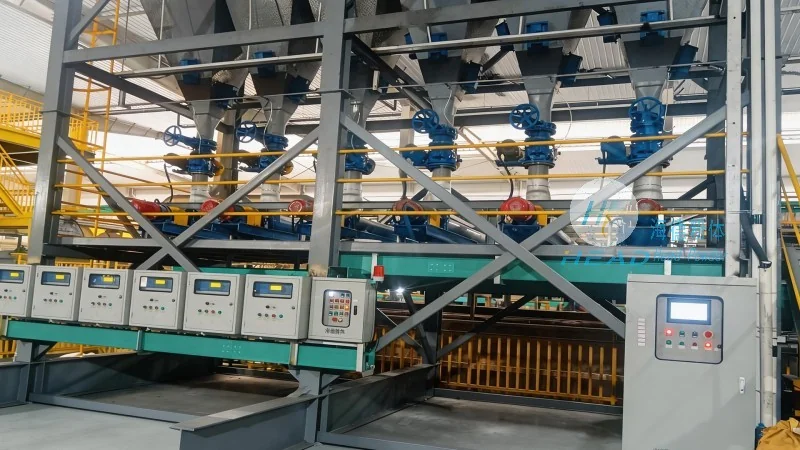
The effectiveness of a sorghum wine lees powder conveying system relies on its key components. The primary elements include a feeding hopper, which collects the lees powder and feeds it into the system. A conveyor mechanism, such as a pneumatic or mechanical conveyor, is used to transport the powder. The system may also incorporate a dust collection system to maintain air quality and prevent dust accumulation. Additionally, control panels and sensors are integrated to monitor the flow rate, pressure, and other operational parameters, ensuring optimal performance and safety.
Design Principles for Efficient Powder Conveying
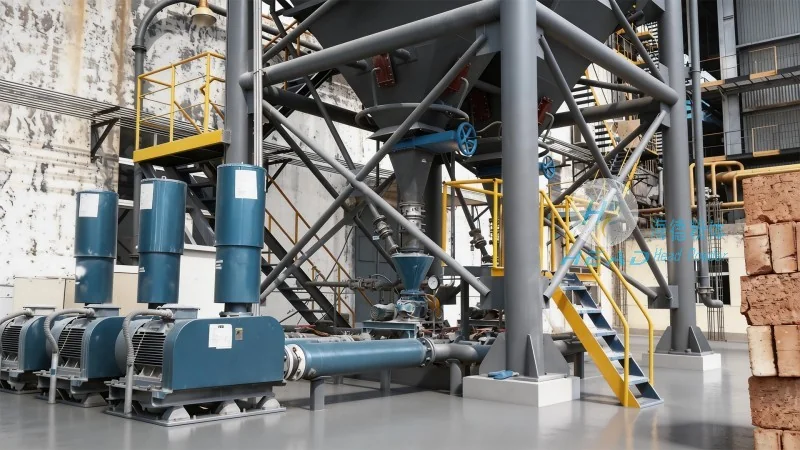
The design of a sorghum wine lees powder conveying system is based on several critical principles to ensure efficiency and reliability. One of the main considerations is the physical properties of the lees powder, including its particle size, moisture content, and flowability. These characteristics influence the choice of conveyor type—whether pneumatic (air-assisted) or mechanical (e.g., screw or belt conveyors). Pneumatic systems are often preferred for fine powders like lees due to their ability to handle high volumes and minimize product degradation. The design also emphasizes minimal product contact with metal surfaces to prevent contamination and maintain the quality of the lees powder. Furthermore, the system is built to withstand the abrasive nature of the powder, using materials like stainless steel or specialized coatings to extend its lifespan.
Company Overview: Shandong HeadPowder Engineering Co., Ltd.
Shandong HeadPowder Engineering Co., Ltd. is a leading manufacturer specializing in the design and production of advanced powder handling systems. With a strong focus on innovation and customer satisfaction, the company has established itself as a trusted partner in the food and beverage industry. HeadPowder engineers and manufactures equipment tailored to the unique needs of clients, ensuring that their systems meet the highest standards of efficiency, safety, and durability. The company’s facilities are located in Shandong, China, where it leverages local expertise and resources to deliver high-quality solutions for powder conveying and processing.
Application and Operational Benefits
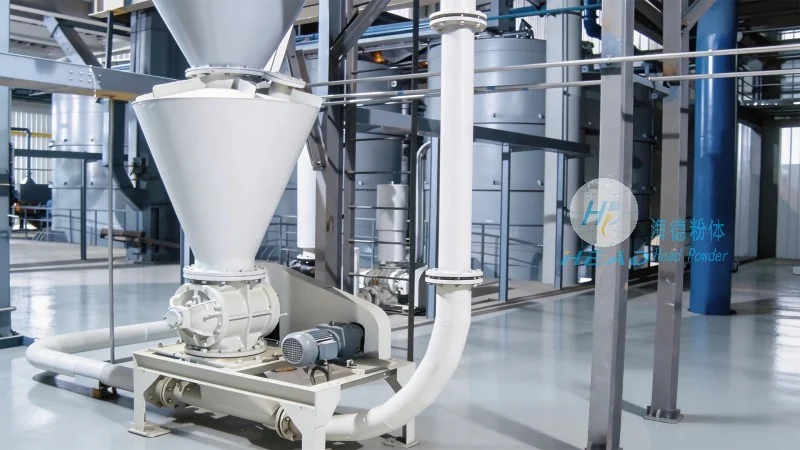
The sorghum wine lees powder conveying system offers numerous benefits for industrial operations. By automating the transportation of lees powder, the system reduces labor costs and minimizes the risk of human error. It also enhances operational efficiency by maintaining a consistent flow rate, which is essential for downstream processes like drying or compounding. The system’s design minimizes product loss and contamination, preserving the nutritional value of the lees powder. Additionally, the integration of dust collection systems improves workplace safety and compliance with environmental regulations. Overall, the system contributes to a more streamlined and sustainable production process, aligning with the industry’s need for efficient resource utilization.