

What is Smart Unpacking Material Handling? What are the Design Principles?
Smart unpacking material handling systems represent a sophisticated approach to optimizing material flow in industrial and manufacturing environments. These systems are engineered to automate the process of unpacking, sorting, and transporting materials from incoming packages to the next stage of production or storage. The core objective is to enhance efficiency, reduce labor costs, and minimize errors associated with manual handling of goods.
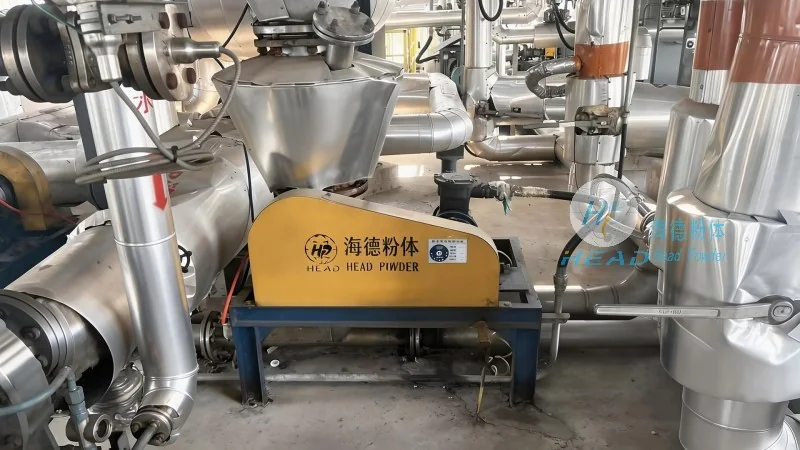
Understanding the Core Components of Smart Unpacking Material Handling
At the heart of a smart unpacking material handling system lies a combination of advanced technologies and mechanical components. Typically, such systems integrate robotic arms, conveyor belts, sensors, and automated identification systems (like barcode or RFID readers). The robotic arms are designed to handle various package sizes and types, from boxes to bags, with precision. Conveyor belts facilitate the movement of unpacked items to designated locations, while sensors ensure that each package is processed correctly, detecting any anomalies or misalignments in real-time. Automated identification systems help in tracking and sorting items based on their unique identifiers, enabling efficient inventory management.
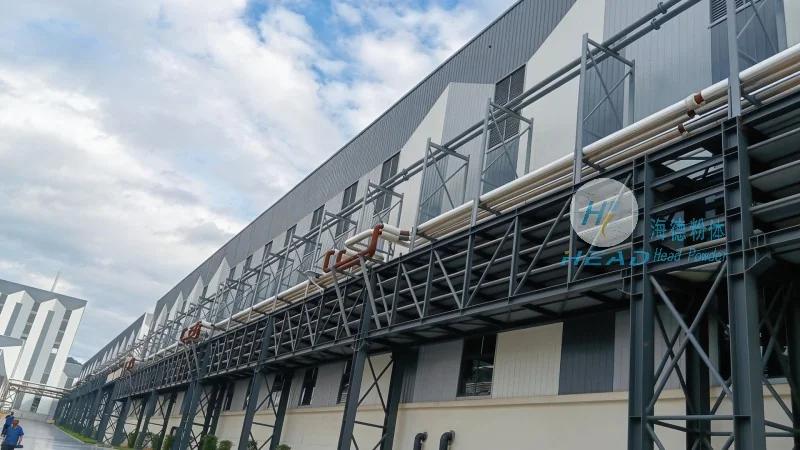
The Design Principles Behind Smart Unpacking Material Handling
The design principles of smart unpacking material handling systems are centered on modularity, adaptability, and integration with existing production lines. Modularity allows the system to be scaled up or down based on the production volume, making it suitable for both small-scale and large-scale operations. Adaptability is crucial as it enables the system to handle a wide range of package types and sizes without requiring extensive reconfiguration. Integration with existing systems, such as warehouse management software or enterprise resource planning (ERP) systems, ensures seamless data flow and enhances overall operational visibility. Additionally, the design emphasizes energy efficiency and low maintenance requirements, reducing long-term operational costs.
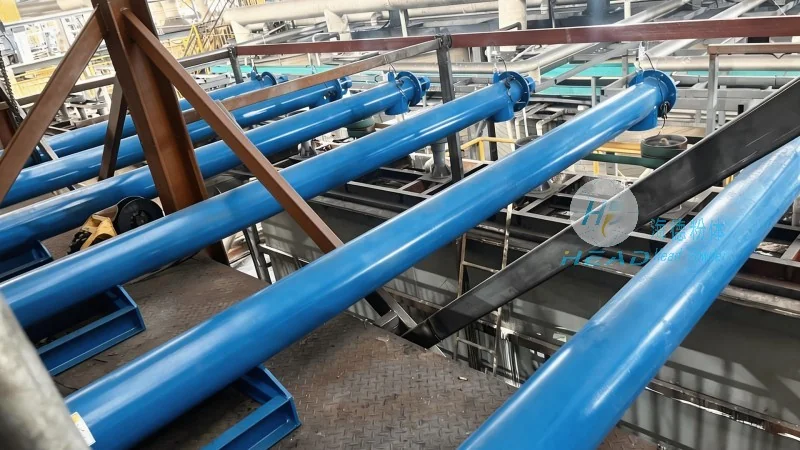
Key Advantages of Implementing Smart Unpacking Material Handling
Adopting smart unpacking material handling systems offers several significant advantages. Firstly, it significantly reduces labor costs by automating repetitive and physically demanding tasks. This not only lowers operational expenses but also improves employee safety by minimizing the risk of workplace injuries associated with manual lifting and moving of heavy packages. Secondly, the systems enhance accuracy and reduce errors in material handling. Automated processes minimize human error, leading to fewer misplaced or damaged items and improved inventory accuracy. Thirdly, these systems increase throughput and productivity by streamlining the material flow process. By eliminating bottlenecks and speeding up the unpacking and sorting stages, production lines can operate more efficiently, meeting higher demand without additional manual labor.
Case Study: Application in a Manufacturing Facility
Shandong HeadPowder Engineering Co., Ltd., a leading provider of material handling solutions, has successfully implemented smart unpacking material handling systems in various manufacturing facilities. For instance, in a pharmaceutical manufacturing plant, the system was integrated to handle incoming raw material packages, automatically unpacking and sorting them into different production batches. The system’s modular design allowed for easy expansion as production volumes increased, and its integration with the plant’s ERP system ensured real-time tracking of inventory levels. The result was a 30% reduction in labor costs and a 20% improvement in production throughput, demonstrating the effectiveness of smart unpacking material handling in enhancing operational efficiency.
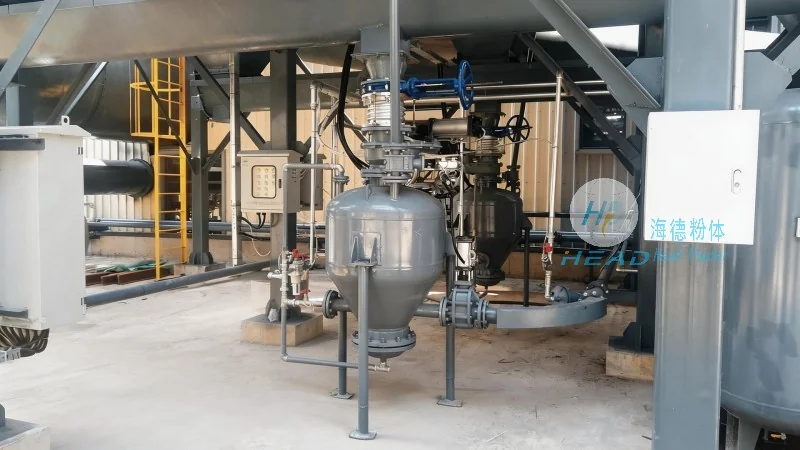
Future Trends and Innovations in Smart Unpacking Material Handling
As technology advances, smart unpacking material handling systems are evolving to incorporate more sophisticated features. Artificial intelligence (AI) and machine learning (ML) are being integrated to enable systems to learn from past operations and optimize their performance over time. This allows for predictive maintenance, where the system can anticipate and prevent equipment failures before they occur, reducing downtime. Additionally, the adoption of autonomous mobile robots (AMRs) is expanding, enabling materials to be transported between different stages of the production process without the need for fixed conveyor systems. These innovations are further enhancing the flexibility and efficiency of smart unpacking material handling, making it an increasingly critical component of modern manufacturing operations.