

What is Fertilizer Pneumatic Conveying? An Introduction to the Working Principle of Powder Handling
Fertilizer pneumatic conveying is a specialized method for transporting bulk powders, such as agricultural fertilizers, using air or gas to move material through a pipeline. This technology is widely adopted in the fertilizer industry due to its efficiency, safety, and ability to handle delicate or abrasive materials. The process involves a series of components working together to ensure smooth and controlled transport, making it an essential part of modern fertilizer handling systems.

Key Components of a Pneumatic Conveying System
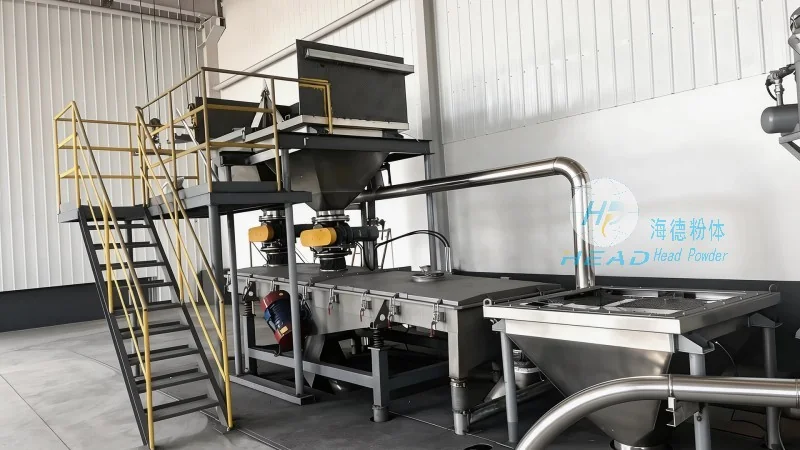
The core of a pneumatic conveying system consists of several critical parts that enable the movement of fertilizer. The primary components include a material hopper or feeder, which holds the fertilizer and regulates the flow; a conveying line, typically made of stainless steel or other durable materials to resist wear and corrosion; a blower or compressor that generates the necessary air pressure; and a filter system to capture fine particles and maintain air quality. These components are designed to handle the unique characteristics of fertilizer, such as particle size, moisture content, and density, ensuring optimal performance.
How the System Operates: Step-by-Step Process
The operation of a pneumatic conveying system follows a systematic process. First, the fertilizer is fed from a storage silo or bag into the hopper. A rotary valve or feeder then controls the flow rate, ensuring a consistent supply of material. Simultaneously, the blower creates a high-pressure air stream that travels through the conveying line, creating a vacuum or pressure differential that pulls the powder particles along. As the air and powder mixture moves through the pipeline, it may encounter bends or other components that help maintain the flow and prevent clogging. At the destination, a separator or cyclone separates the air from the powder, allowing the fertilizer to be discharged into a storage tank or application equipment. The air is then filtered and recycled back to the blower, completing the cycle and reducing energy consumption.
Advantages of Pneumatic Conveying for Fertilizer Transport
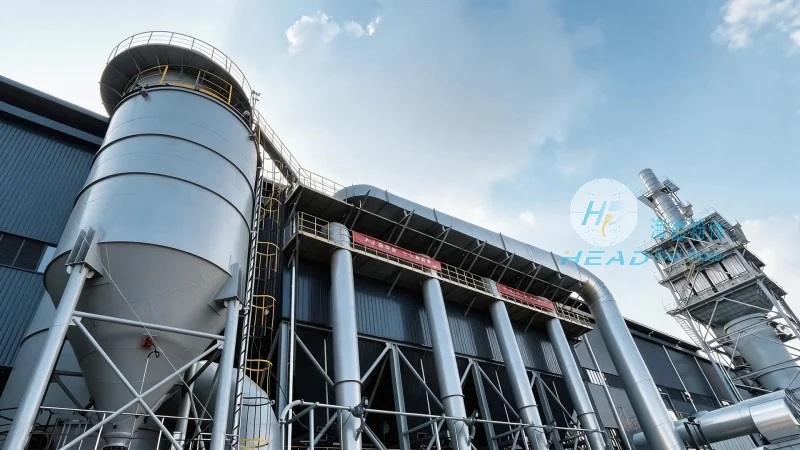
Pneumatic conveying offers several advantages over traditional mechanical conveyors for fertilizer transport. One major benefit is the ability to handle long distances without the need for multiple transfer points, reducing the risk of material spillage and contamination. The system also minimizes product degradation by avoiding direct contact with metal surfaces or excessive mechanical stress, which is crucial for sensitive fertilizers like urea or ammonium nitrate. Additionally, pneumatic conveyors can be easily integrated with other processing equipment, such as blending units, allowing for a more streamlined production line. Another key advantage is the flexibility to adjust flow rates based on operational needs, making it suitable for both small-scale and large-scale operations.
Applications in the Fertilizer Industry
Pneumatic conveying systems are used in various stages of the fertilizer lifecycle. In manufacturing facilities, they transport raw materials like phosphate rock and potassium chloride from storage to processing units. During the blending phase, these systems ensure uniform mixing of different fertilizer components, which is essential for achieving the desired nutrient ratios. In storage and distribution centers, pneumatic conveyors efficiently move bulk fertilizers to loading docks or trucks, facilitating timely delivery to farms. On-farm, portable pneumatic conveyors help farmers transfer fertilizer from bulk bags or silos to application equipment, such as spreaders or injectors, improving efficiency and reducing labor costs.
Considerations for System Design and Maintenance
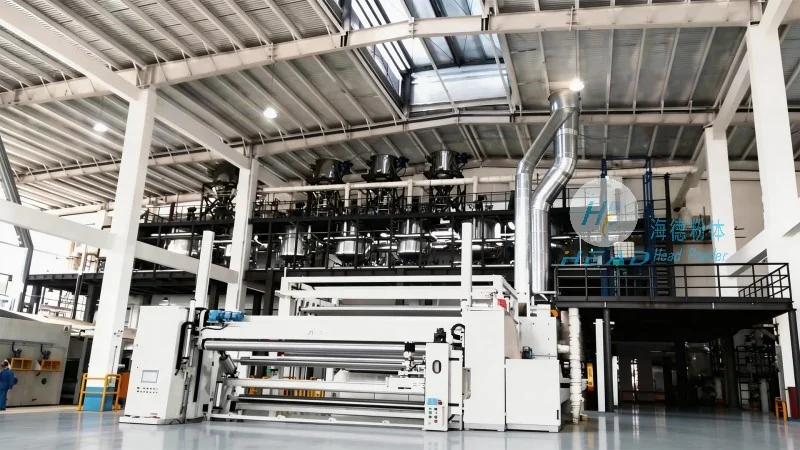
Implementing a pneumatic conveying system requires careful consideration of several factors to ensure optimal performance. The choice between pressure and vacuum systems depends on the distance and material characteristics. Pressure systems are ideal for short to medium distances and high-volume transport, while vacuum systems are better for longer distances or when the material needs to be drawn from multiple sources. Material properties, such as particle size and abrasiveness, must be evaluated to select appropriate components, like wear-resistant materials for the conveying line. Proper air filtration and recycling are essential to maintain environmental compliance and prevent dust emissions. Regular maintenance, including cleaning filters and checking for leaks, is critical to ensure long-term efficiency and reliability.