

Positive Pressure Conveying vs. Negative Pressure Conveying for Lead Powder: A Comparative Analysis
HeadPowder, a leading provider in the field of material handling solutions, specializes in advanced pneumatic conveying systems tailored for lead powder applications. This article provides a detailed comparison between positive pressure and negative pressure conveying methods, highlighting their respective advantages, disadvantages, and practical applications in industrial settings.
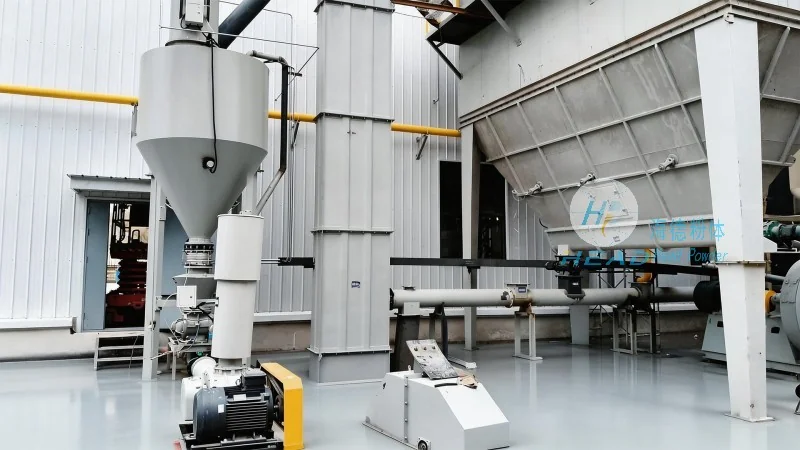
Introduction to Pneumatic Conveying Systems
Pneumatic conveying is a widely used technique for transporting bulk materials like lead powder through a pipeline using air or gas as the transport medium. The two primary methods are positive pressure conveying and negative pressure conveying. Each method operates on different principles, affecting factors such as material handling efficiency, system complexity, and operational costs. Understanding these differences is crucial for selecting the most suitable conveying system for lead powder applications.
Positive Pressure Conveying for Lead Powder
Positive pressure conveying, also known as pressure conveying, involves blowing air or gas under pressure into a sealed pipeline to move the material. This method is particularly effective for lead powder due to its ability to handle abrasive and potentially hazardous materials with minimal wear on equipment. The system typically consists of a blower, a hopper, and a pipeline network. The high-pressure air creates a positive pressure environment, ensuring that the material is continuously propelled forward. HeadPowder's positive pressure conveying systems are designed with robust components, including high-efficiency blowers and specialized hopper designs, to maintain consistent material flow and minimize downtime.
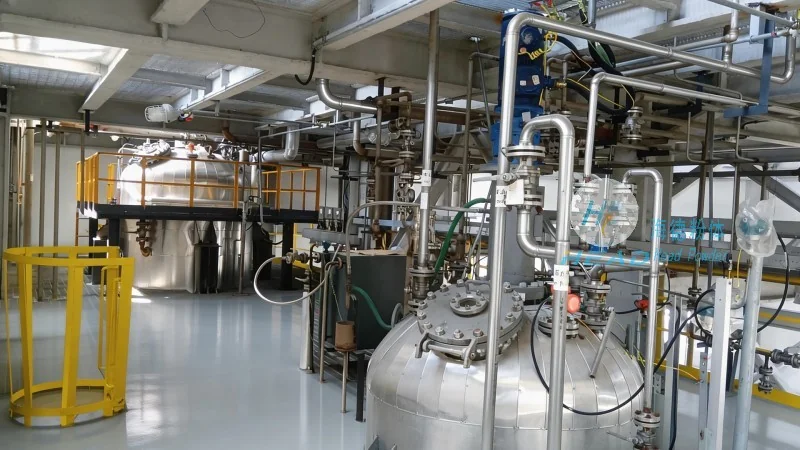
Negative Pressure Conveying for Lead Powder
Negative pressure conveying, or vacuum conveying, operates by creating a vacuum in the pipeline to draw material from the source into the system. This method is often preferred for applications requiring gentle handling of materials, as the lower air velocity reduces the risk of material degradation or degradation. The system includes a vacuum pump, a collection hopper, and a pipeline. The vacuum pulls the lead powder from the source, making it suitable for applications where the material is located at a higher elevation or needs to be transported over longer distances without high pressure. HeadPowder's negative pressure systems are equipped with advanced vacuum pumps and filtration systems to ensure efficient material collection and minimal air leakage.
Key Differences and Performance Metrics
When comparing positive and negative pressure conveying for lead powder, several factors come into play. Positive pressure systems generally offer higher material throughput and are more suitable for short to medium distance transport, while negative pressure systems are better for longer distances and require more careful management of air flow to prevent material clogging. In terms of energy consumption, positive pressure systems typically use more power due to the high-pressure air requirement, whereas negative pressure systems may consume less energy but require more maintenance for the vacuum pump. HeadPowder's engineering team considers these factors when designing custom conveying solutions, ensuring optimal performance and cost-effectiveness for each client's specific needs.
Advantages and Disadvantages of Each Method
Positive pressure conveying offers several advantages, including higher material flow rates, better control over material velocity, and reduced risk of material degradation due to lower air velocities. However, it also has drawbacks such as higher initial investment costs, increased energy consumption, and the need for more robust equipment to handle high pressures. Negative pressure conveying, on the other hand, is more energy-efficient and requires less maintenance for the conveying components. Its disadvantages include lower material throughput, potential for material clogging in long pipelines, and higher risk of air leakage, which can affect system efficiency. HeadPowder's expertise lies in balancing these trade-offs, providing tailored solutions that maximize the benefits of each method while mitigating their respective drawbacks.
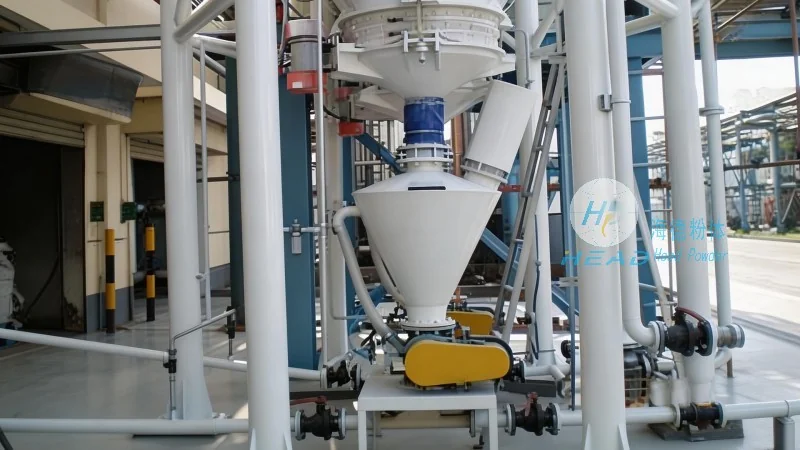
Practical Applications and Industry Considerations
The choice between positive and negative pressure conveying for lead powder depends on the specific application requirements. For example, in lead smelting and processing plants where material is moved over short distances and requires high throughput, positive pressure systems are often preferred. In contrast, for applications involving long-distance transport from a storage silo to a processing facility, negative pressure conveying may be more suitable due to its lower energy requirements and gentler handling of the material. HeadPowder, with its headquarters in Shandong, China, has extensive experience in designing and implementing both systems across various industries, ensuring that clients receive the most appropriate solution for their operational needs.
Conclusion
In conclusion, both positive pressure and negative pressure conveying methods have their unique advantages and are suitable for different lead powder applications. Positive pressure conveying excels in high-throughput, short-distance transport, while negative pressure conveying is ideal for longer distances and gentler material handling. HeadPowder Engineering Co., Ltd., based in Shandong, China, specializes in providing customized pneumatic conveying solutions that leverage the strengths of each method. By understanding the specific requirements of each project, HeadPowder ensures that clients achieve optimal performance, efficiency, and cost-effectiveness in their material handling operations.