

Dust Positive Pressure Conveying vs. Negative Pressure Conveying: A Comparative Analysis of Two Pneu
HeadPowder, a leading provider of pneumatic conveying solutions, specializes in optimizing material handling processes for industries dealing with dust and powders. This article provides a detailed comparison between positive pressure and negative pressure conveying systems, highlighting their applications, advantages, and considerations for effective material transport.
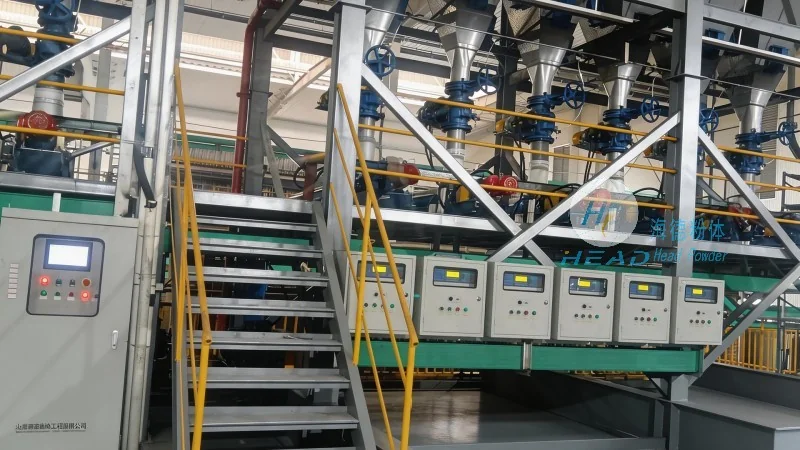
Understanding Pneumatic Conveying Systems
Pneumatic conveying is a method of transporting bulk materials through a pipeline using air or gas as the conveying medium. It is widely used in industries such as pharmaceuticals, food processing, and chemical manufacturing due to its ability to handle fine powders and granules efficiently. The two primary types of pneumatic conveying are positive pressure and negative pressure systems, each with distinct operational principles and suitability for different applications.
Positive Pressure Conveying: How It Works
Positive pressure conveying operates by blowing air or gas into the material to be transported, creating a pressure higher than the ambient air. The material is then drawn through the pipeline by the pressure differential. This method is often referred to as "blow-through" or "pressure-fed" conveying. In this system, the conveying line is under positive pressure, and the material is pushed from the source to the destination. The equipment typically includes a blower, a hopper, and a discharge valve. The positive pressure system is suitable for short to medium distances and can handle abrasive materials without causing excessive wear on the pipeline.
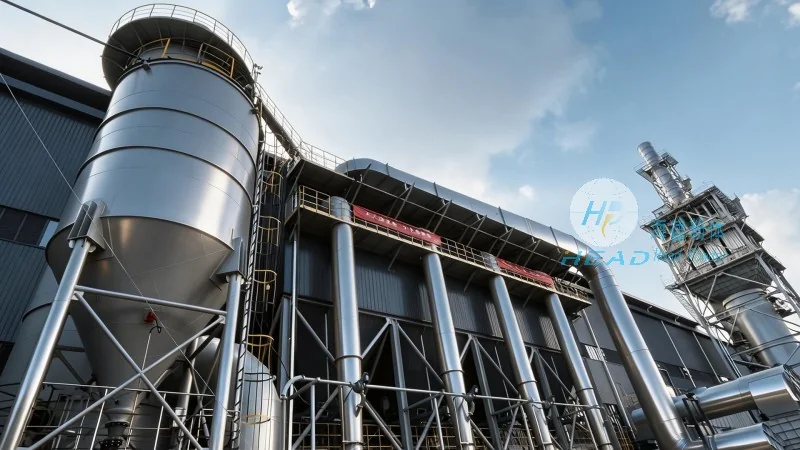
Negative Pressure Conveying: Operational Principles
Negative pressure conveying, also known as "suction" or "vacuum" conveying, works by creating a vacuum in the pipeline, which draws the material from the source into the system. The material is then transported to the destination by the suction force. The conveying line is under negative pressure relative to the ambient air. This method is ideal for long-distance transport and for handling materials that are sensitive to pressure changes or that require a closed system to prevent dust emissions. The equipment includes a vacuum pump, a hopper, and a filter system to capture any airborne particles.
Key Differences Between Positive and Negative Pressure Conveying
Several factors differentiate positive and negative pressure conveying systems. The most significant difference is the direction of air flow and the pressure within the pipeline. Positive pressure systems use pressure to push material, while negative pressure systems use suction to pull material. This affects the system's design, maintenance requirements, and suitability for specific materials. For example, positive pressure systems are generally more suitable for abrasive materials and shorter distances, as the high pressure can handle the wear and tear on the pipeline. Negative pressure systems, on the other hand, are better for long distances and materials that require a closed environment to prevent contamination or dust release.
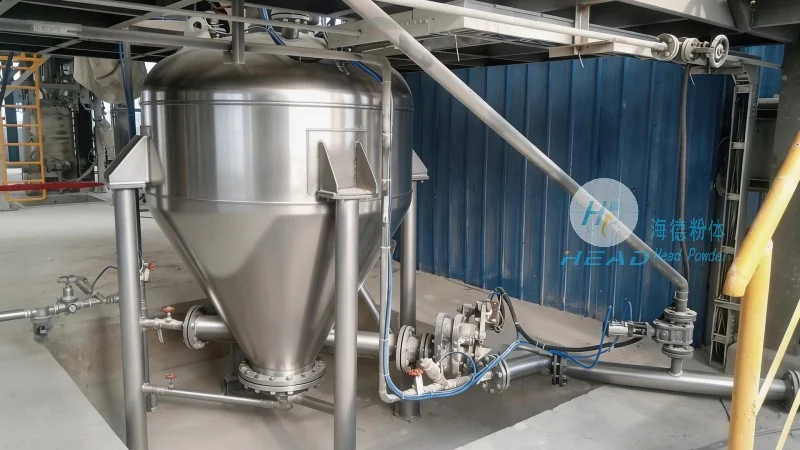
Advantages and Considerations for Each System
Positive pressure conveying offers several advantages, including higher conveying rates, better control over material flow, and the ability to handle abrasive materials. However, it requires more powerful blowers and may generate more noise and dust at the source. The system is also more prone to pressure leaks, which can affect the overall efficiency. Negative pressure conveying, while suitable for long distances and sensitive materials, has lower conveying rates and requires more maintenance due to the vacuum pump and filter system. The system is also more susceptible to clogging and blockages, which can lead to downtime.
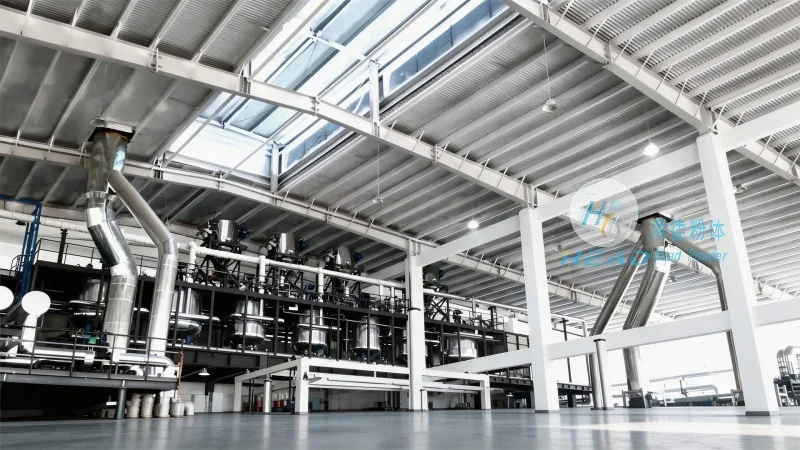
Applications and Industry Use Cases
Both positive and negative pressure conveying systems have specific applications in various industries. Positive pressure systems are commonly used in food processing, pharmaceuticals, and chemical manufacturing for short to medium distance transport of powders and granules. They are ideal for handling materials that are prone to caking or that require a closed system to prevent contamination. Negative pressure systems are often used in industries such as mining, cement, and agricultural processing for long-distance transport of bulk materials. They are suitable for materials that are sensitive to pressure changes or that require a closed environment to prevent dust emissions.
Conclusion: Choosing the Right Conveying System
When selecting a pneumatic conveying system, it is essential to consider the specific requirements of the application, including the material type, distance, and environmental factors. Positive pressure conveying is generally more suitable for short to medium distances and abrasive materials, while negative pressure conveying is better for long distances and sensitive materials. HeadPowder provides customized solutions for both positive and negative pressure conveying systems, ensuring efficient and reliable material transport for its clients. By understanding the differences between these two systems, industries can make informed decisions to optimize their material handling processes and improve overall productivity.