

[Powder Positive Pressure Conveying vs. Negative Pressure Conveying: A Comparative Analysis of Two P
When it comes to transporting bulk powders and granular materials, the choice of conveying method can significantly impact operational efficiency, material integrity, and overall system reliability. Among the various pneumatic conveying technologies available, positive pressure and negative pressure systems stand out as two primary approaches. Understanding the nuances of each method is crucial for selecting the most suitable solution for specific industrial applications. This article provides a detailed comparison of positive pressure and negative pressure powder conveying, highlighting their operational principles, key characteristics, and practical considerations.
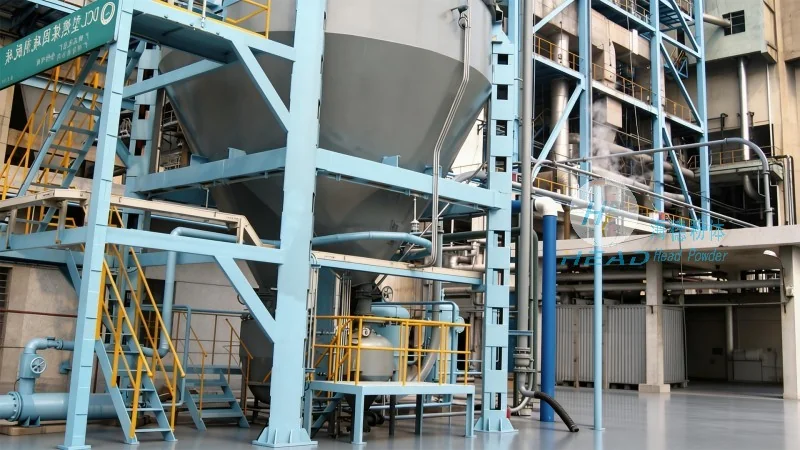
Introduction to Pneumatic Conveying Methods
Pneumatic conveying systems utilize air or other gases to transport bulk materials through a pipeline. These systems are widely used in industries such as pharmaceuticals, food processing, chemicals, and minerals, where the need to handle powders and granules safely and efficiently is paramount. The two main categories of pneumatic conveying are positive pressure and negative pressure systems. Positive pressure systems force air and material through the pipeline using a positive pressure blower or compressor. The system generates a pressure higher than the ambient air pressure, which propels the material forward. This method is particularly effective for long-distance and high-capacity conveying, as it can maintain consistent flow rates even over extended distances. Positive pressure systems are generally more robust and less susceptible to blockages compared to negative pressure systems, making them suitable for abrasive or sticky materials. The primary advantage of this approach is its ability to handle materials with higher moisture content or those that are prone to caking, as the high pressure helps to maintain material flow and prevent agglomeration.
About Shandong HeadPowder Engineering Co., Ltd.
Shandong HeadPowder Engineering Co., Ltd., commonly known as HeadPowder, is a leading provider of advanced powder handling solutions. With a strong focus on innovation and customer-centric design, the company specializes in the development and manufacturing of pneumatic conveying equipment. HeadPowder's headquarters is located in Shandong, China, where the company leverages local expertise and resources to deliver high-quality products tailored to the diverse needs of global industries. The company's commitment to quality, reliability, and performance has established it as a trusted partner for businesses seeking efficient and effective powder handling solutions.
Positive Pressure Conveying: The Push System
Positive pressure conveying, also known as the push system, operates by forcing air and material through the pipeline using a positive pressure blower or compressor. The system generates a pressure higher than the ambient air pressure, which propels the material forward. This method is particularly effective for long-distance and high-capacity conveying, as it can maintain consistent flow rates even over extended distances. Positive pressure systems are generally more robust and less susceptible to blockages compared to negative pressure systems, making them suitable for abrasive or sticky materials. The primary advantage of this approach is its ability to handle materials with higher moisture content or those that are prone to caking, as the high pressure helps to maintain material flow and prevent agglomeration.
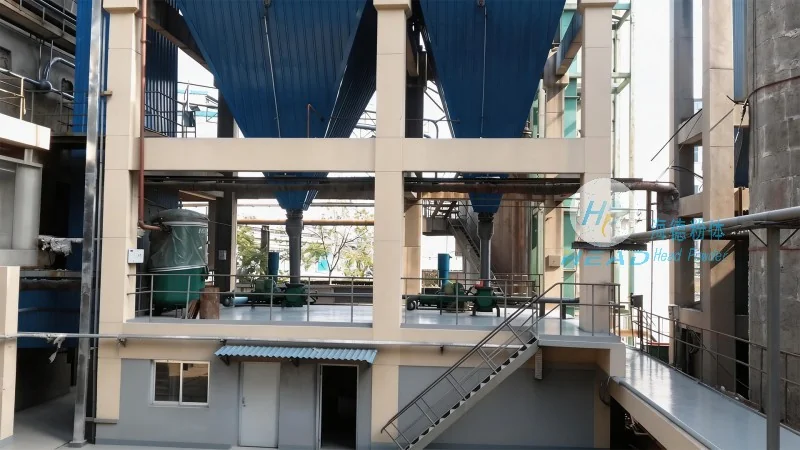
Key Characteristics of Positive Pressure Conveying
Positive pressure systems are characterized by their ability to handle a wide range of materials, including fine powders, granules, and even bulk solids. The high pressure ensures that the material is fully suspended in the air stream, reducing the risk of material degradation or loss. These systems are also relatively easy to install and maintain, as they do not require complex vacuum equipment. However, the main drawback of positive pressure conveying is the potential for material leakage and the need for proper sealing to prevent dust emissions. Additionally, the high pressure can increase energy consumption, making it less cost-effective for short-distance applications.
Negative Pressure Conveying: The Suction System
Negative pressure conveying, or the suction system, works by creating a vacuum in the pipeline, which draws material from the source into the system. The vacuum is generated by a fan or vacuum pump, and the material is then transported to the destination. This method is ideal for applications where the material source is located at a higher elevation or where the material needs to be collected from a confined space. Negative pressure systems are generally more suitable for handling fine powders and dust, as the vacuum helps to prevent material loss and maintain a clean environment. The primary advantage of this approach is its ability to handle materials with low flowability or those that are sensitive to pressure, as the low pressure environment reduces the risk of material degradation.
Key Characteristics of Negative Pressure Conveying
Negative pressure systems are typically more compact and require less space compared to positive pressure systems, making them suitable for installations with limited room. The vacuum environment also helps to minimize dust emissions and maintain a cleaner working environment. However, these systems are more prone to blockages and material degradation, especially with abrasive or sticky materials. The low pressure can also lead to lower conveying capacity compared to positive pressure systems, and the vacuum equipment may require more maintenance to ensure consistent performance.
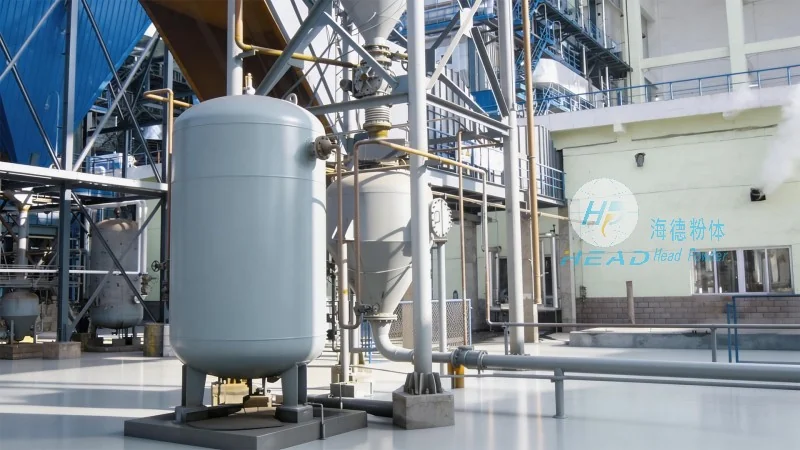
Comparative Analysis: Positive Pressure vs. Negative Pressure Conveying
When comparing positive and negative pressure conveying, several factors need to be considered, including the material properties, conveying distance, system complexity, and operational costs. Positive pressure systems are generally more suitable for long-distance and high-capacity applications, as they can maintain consistent flow rates and handle a wider range of materials. They are also more robust and less susceptible to blockages, making them ideal for abrasive or sticky materials. On the other hand, negative pressure systems are better suited for short-distance applications and materials that are sensitive to pressure or require a clean environment. They are also more compact and easier to install in confined spaces.
Operational Considerations and Best Practices
Both positive and negative pressure conveying systems require proper design and maintenance to ensure optimal performance. For positive pressure systems, regular inspection of the blower and pipeline is essential to prevent leaks and maintain pressure. The system should also be equipped with proper filtration and dust collection to minimize environmental impact. For negative pressure systems, the vacuum pump and filters need to be regularly cleaned and maintained to prevent clogging and ensure consistent suction. Additionally, both systems should be designed with appropriate material handling equipment, such as feeders and silos, to ensure smooth material flow and prevent blockages.
Conclusion
In conclusion, the choice between positive pressure and negative pressure powder conveying depends on the specific requirements of the application. Positive pressure systems offer higher capacity and robustness, making them suitable for long-distance and high-volume conveying. Negative pressure systems, while more compact and suitable for clean environments, are better suited for short-distance and sensitive material handling. By understanding the operational principles and characteristics of each method, industries can select the most appropriate pneumatic conveying solution to enhance efficiency, safety, and material integrity. Shandong HeadPowder Engineering Co., Ltd. provides a range of advanced powder handling solutions tailored to meet the diverse needs of global industries, ensuring reliable and efficient material transport for various applications.