

Comparison of Advantages and Disadvantages between Negative Pressure and Positive Pressure Conveying
When it comes to the pneumatic conveying of graphite anode material particles, selecting the appropriate conveying method is crucial for ensuring efficient material handling and process reliability. Two primary approaches are widely used: negative pressure conveying and positive pressure conveying. Each method has its own set of advantages and disadvantages, which can significantly impact operational performance, equipment maintenance, and overall system costs. This article provides a detailed comparison of negative pressure and positive pressure conveying systems, focusing on their applications, benefits, and potential drawbacks in the context of graphite anode material handling.
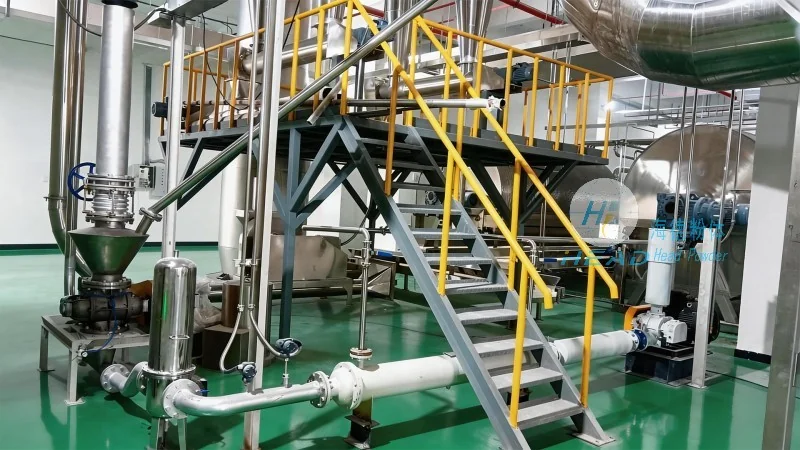
Overview of Pneumatic Conveying Systems
Pneumatic conveying is a technology that uses air or gas to transport bulk materials through a pipeline system. It is widely adopted in the chemical, food, and battery material industries due to its ability to handle fine powders and granules with minimal product degradation. The choice between negative pressure and positive pressure systems depends on factors such as material characteristics, system layout, and operational requirements. Both methods are essential in the processing of graphite anode materials, which are critical components in lithium-ion batteries.
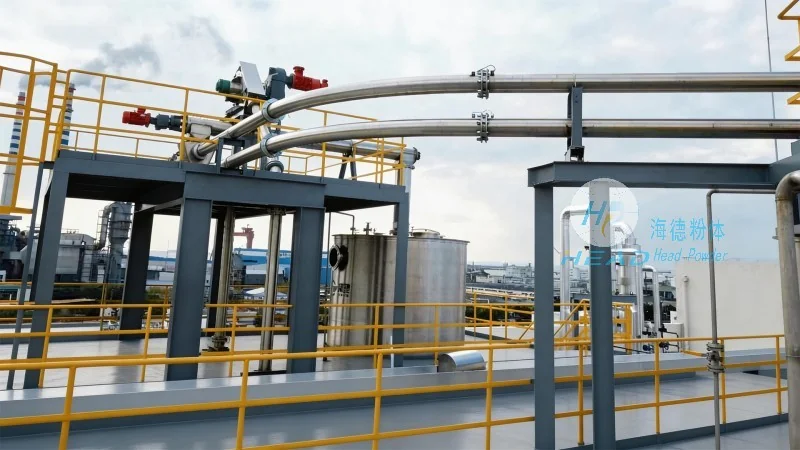
Company Introduction: Shandong HeadPowder Engineering Co., Ltd.
Shandong HeadPowder Engineering Co., Ltd., commonly known as HeadPowder, is a leading manufacturer specializing in engineering solutions for material handling and processing. With a focus on innovation and quality, HeadPowder provides customized pneumatic conveying systems tailored to the specific needs of clients in the battery material sector. The company's headquarters is located in Shandong, China, and it has established a strong reputation for delivering reliable and efficient equipment for handling graphite anode materials. HeadPowder's expertise lies in designing and manufacturing systems that meet the stringent requirements of modern battery production, ensuring that the quality of the anode material is preserved throughout the conveying process.
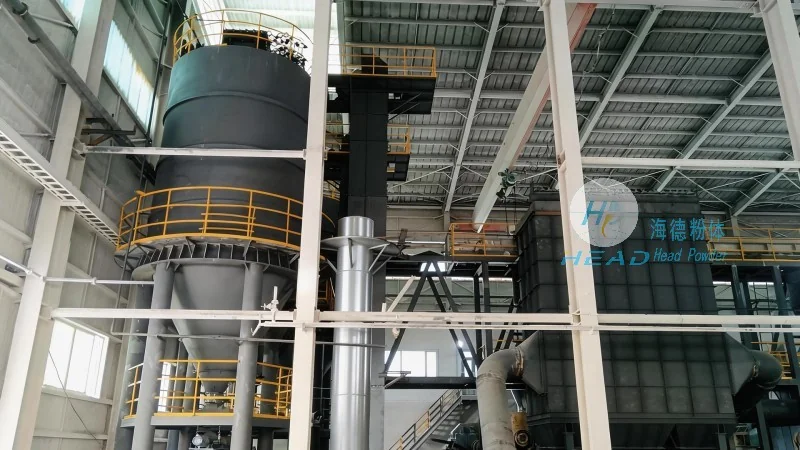
Negative Pressure Conveying: Principles and Advantages
Negative pressure conveying, also known as suction conveying, operates by creating a vacuum at the material inlet to draw particles into the conveying line. This method is particularly suitable for applications where the material source is located at a higher elevation or where the system requires a clean and dust-free environment. One of the key advantages of negative pressure conveying is its ability to minimize product contamination, as the system draws material from a sealed or enclosed source. This is critical in the battery material industry, where even minor impurities can affect the performance of the final product. Additionally, negative pressure systems are generally more energy-efficient compared to positive pressure systems, as they rely on the natural suction of the vacuum to move material. This can lead to lower operational costs and reduced energy consumption over time, making them an attractive option for companies looking to optimize their production processes.