

Advantages and Disadvantages of Negative Pressure vs. Positive Pressure Conveying in Wet Ammonium Ni
Wet ammonium nitrate (WAN) is a critical raw material in the production of fertilizers and explosives. Its handling and transportation require specialized equipment to ensure safety and efficiency. Pneumatic conveying is a common method for transporting WAN, and two primary approaches are widely used: negative pressure (or vacuum) conveying and positive pressure conveying. This article provides a detailed comparison of the advantages and disadvantages of these two methods, helping industry professionals make informed decisions when selecting the most suitable conveying system for their operations.
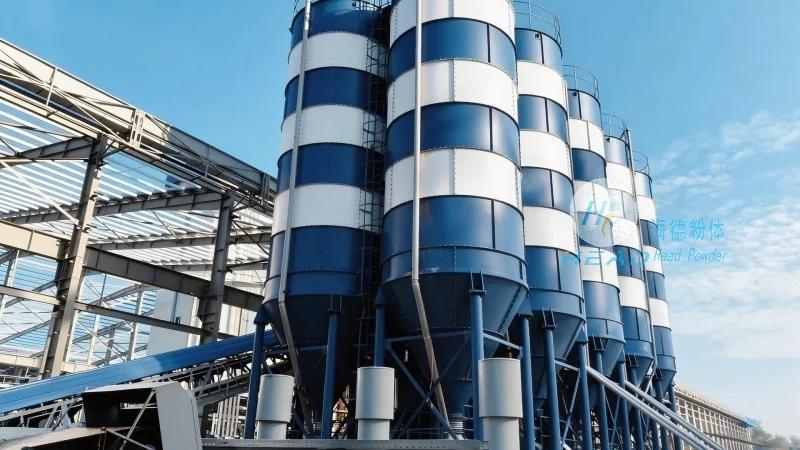
Company Overview: Shandong HeadPowder Engineering Co., Ltd.
Shandong HeadPowder Engineering Co., Ltd., a leading provider of pneumatic conveying solutions, specializes in designing and manufacturing systems tailored to the unique needs of the chemical and fertilizer industries. With a strong commitment to innovation and safety, the company has earned a reputation for delivering high-quality equipment that enhances operational efficiency while maintaining strict safety standards. HeadPowder's expertise in wet ammonium nitrate handling ensures that their systems are optimized for the specific challenges posed by this material, including its moisture content and potential for dust generation.
Negative Pressure (Vacuum) Conveying: Advantages and Disadvantages
Negative pressure conveying, also known as vacuum conveying, operates by creating a vacuum at the inlet of the conveying system. This vacuum draws the material from the source into the pipeline. One of the key advantages of this method is its ability to handle materials that are difficult to move by positive pressure, such as fine powders or those with high moisture content. The vacuum also helps to minimize dust emissions, as the material is drawn into the system rather than being expelled. Additionally, negative pressure systems are generally more energy-efficient for short to medium distances, as they require less power to maintain the vacuum compared to positive pressure systems.
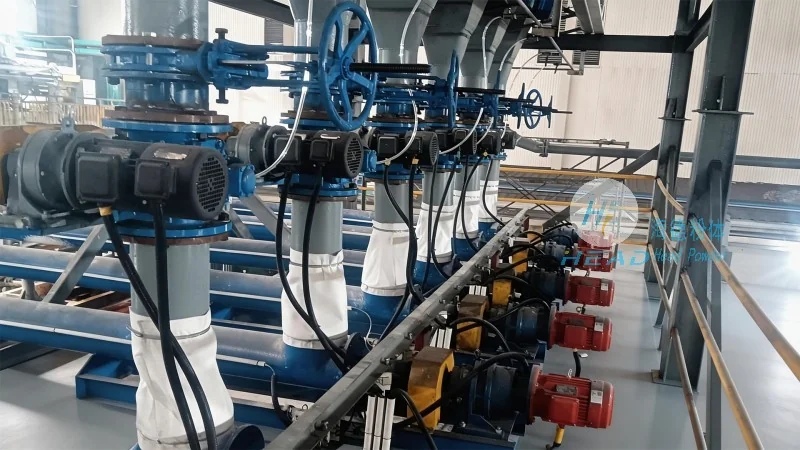
However, negative pressure conveying has several notable disadvantages. The primary drawback is its limited conveying distance. The vacuum strength diminishes over longer distances, making it unsuitable for transporting materials over more than a few hundred meters. This limitation can increase the number of transfer points and the complexity of the system. Another disadvantage is the risk of backflow or material leakage, as the system relies on maintaining a consistent vacuum. If the vacuum is disrupted, material can be drawn back into the source or escape from the system, posing safety hazards. Furthermore, negative pressure systems are more susceptible to clogging, especially with wet or sticky materials, as the vacuum may not provide enough force to move the material through the pipeline effectively.
Positive Pressure Conveying: Advantages and Disadvantages
Positive pressure conveying, on the other hand, uses compressed air to push the material through the pipeline. This method is ideal for longer conveying distances and can handle a wider range of materials, including bulkier or more abrasive substances. One of the main advantages of positive pressure systems is their ability to transport materials over long distances, often exceeding 1 kilometer, without significant loss of pressure. This makes them suitable for large-scale operations where the material needs to be moved from a central storage facility to multiple processing sites. Another advantage is the reduced risk of backflow, as the pressure is maintained in the system, preventing material from moving backward. Positive pressure systems also tend to be more reliable for handling sticky or cohesive materials, as the compressed air provides sufficient force to move the material through the pipeline.
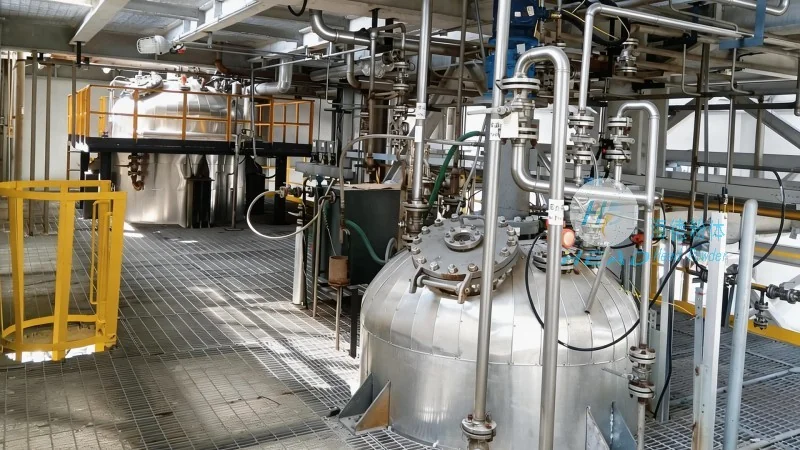
Despite these advantages, positive pressure conveying has its own set of disadvantages. The most significant drawback is the higher energy consumption compared to negative pressure systems. Compressing air to the required pressure levels requires substantial energy, which can increase operational costs. Additionally, positive pressure systems are more prone to dust emissions, as the material is expelled from the system under pressure, potentially leading to increased air pollution and safety risks. Another disadvantage is the risk of system overpressure, which can occur if the air supply is not properly regulated. This can damage equipment and pose safety hazards to personnel. Furthermore, positive pressure systems may require more maintenance, as the compressed air components are subject to higher wear and tear.
Comparison and Selection Criteria
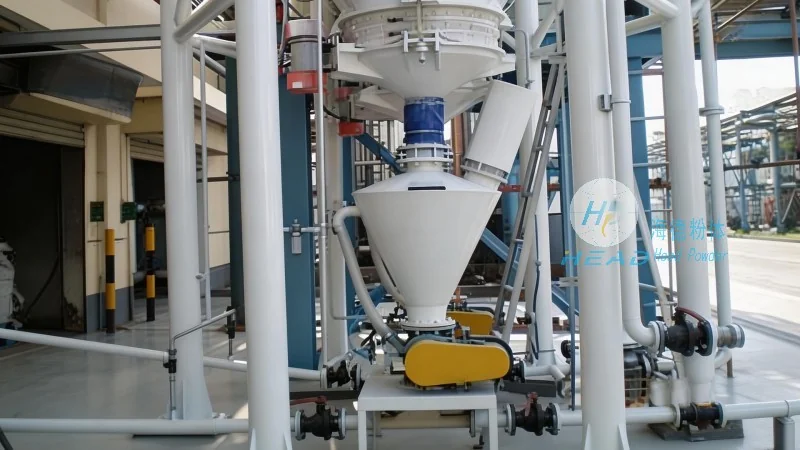
When deciding between negative pressure and positive pressure conveying for wet ammonium nitrate, several factors must be considered. The primary factor is the conveying distance. For short distances (typically less than 200 meters), negative pressure systems are often more cost-effective and efficient. For longer distances (over 500 meters), positive pressure systems are generally preferred due to their ability to maintain pressure over longer runs. The material characteristics also play a crucial role. If the wet ammonium nitrate is fine and has high moisture content, negative pressure may be more suitable to minimize dust and ensure smooth flow. Conversely, if the material is bulkier or more abrasive, positive pressure systems can handle it more effectively. Safety considerations are also critical. Negative pressure systems are generally safer in terms of dust control, as they draw material into the system rather than expelling it. However, positive pressure systems require more robust safety measures to prevent overpressure and dust emissions. Finally, operational costs must be evaluated. While negative pressure systems are more energy-efficient for short distances, positive pressure systems may have lower maintenance costs due to their simpler design for long-distance transport.
Conclusion
Both negative pressure and positive pressure conveying methods have their place in the handling of wet ammonium nitrate. The choice between them depends on the specific requirements of the operation, including distance, material characteristics, and safety considerations. Shandong HeadPowder Engineering Co., Ltd. offers a range of pneumatic conveying solutions tailored to these needs, ensuring that clients can select the most appropriate system for their industrial applications. By understanding the advantages and disadvantages of each method, industry professionals can make informed decisions that enhance efficiency, safety, and cost-effectiveness in wet ammonium nitrate transportation.