

Pros and Cons Comparison of Negative Pressure and Positive Pressure Pneumatic Conveying for Talc Pow
When it comes to the pneumatic conveying of talc powder, choosing the right system is crucial for efficiency, cost-effectiveness, and operational safety. Two primary methods dominate the industry: negative pressure (or vacuum) conveying and positive pressure conveying. Each has its own set of advantages and disadvantages, which are critical to consider when selecting a system for talc powder handling. This article provides a detailed comparison of these two approaches, focusing on their applications, performance characteristics, and practical implications for operations.
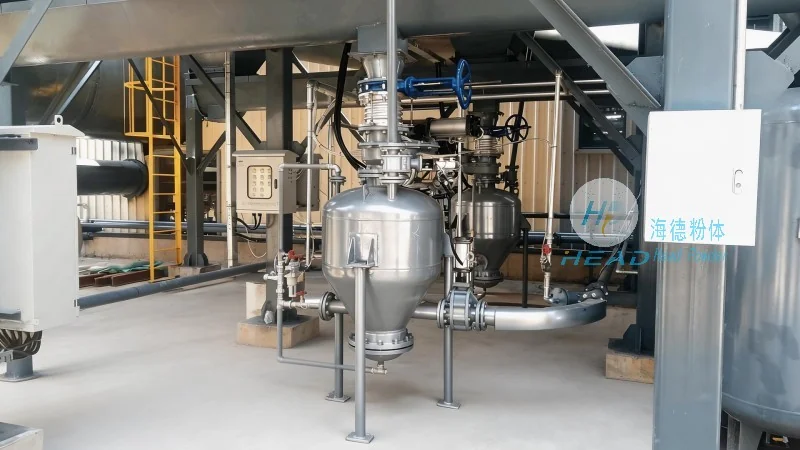
Introduction to Pneumatic Conveying Systems
Pneumatic conveying is a method of transporting bulk materials like talc powder through a pipeline using air or gas as the conveying medium. The system can operate under either negative pressure (vacuum) or positive pressure, each with distinct mechanisms and applications. Understanding these differences is essential for optimizing material handling processes in industrial settings.
Company Overview: Shandong HeadPowder Engineering Co., Ltd.
Shandong HeadPowder Engineering Co., Ltd., based in Shandong, China, specializes in the design, manufacturing, and implementation of advanced material handling solutions. With a focus on precision and reliability, the company provides tailored pneumatic conveying systems for various industrial applications, including the handling of talc powder. Their expertise lies in optimizing material flow, minimizing dust generation, and ensuring compliance with industry standards.
Negative Pressure (Vacuum) Pneumatic Conveying
Negative pressure conveying, also known as vacuum conveying, operates by creating a low-pressure environment at the material intake point. This draws the talc powder into the pipeline using a vacuum pump. The primary advantage of this method is its ability to handle materials that are sensitive to pressure changes or have a tendency to generate dust. By operating under vacuum, the system can effectively capture and transport talc powder without causing excessive particle breakage or dust dispersion. This makes it ideal for applications where material integrity is paramount, such as in pharmaceutical or food processing industries.
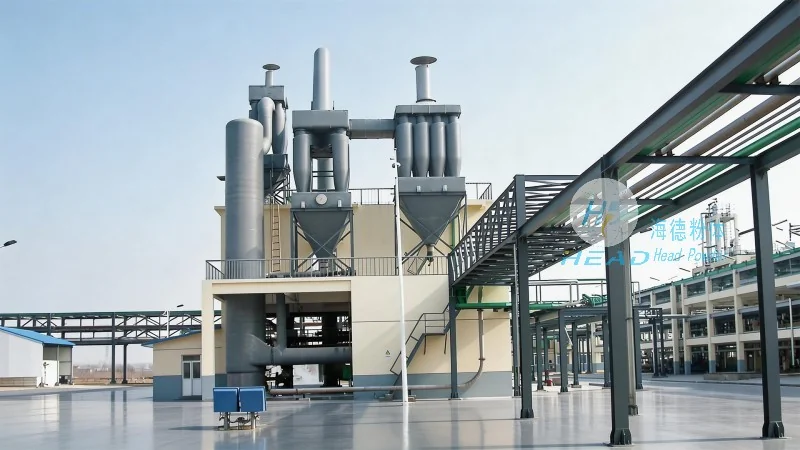
However, negative pressure systems have some drawbacks. The vacuum pump requires regular maintenance and can be energy-intensive, leading to higher operational costs over time. Additionally, the system's capacity is often limited by the vacuum pump's power, which may restrict the volume of talc powder that can be conveyed in a given time. Another consideration is the potential for air leakage, which can reduce the system's efficiency and increase energy consumption. Despite these challenges, negative pressure conveying remains a preferred choice for many applications due to its gentle handling of delicate materials.
Positive Pressure Pneumatic Conveying
Positive pressure conveying, on the other hand, operates by forcing air or gas through the pipeline under pressure, pushing the talc powder along. This method is generally more robust and capable of handling larger volumes of material compared to negative pressure systems. The primary advantage of positive pressure is its higher conveying capacity and ability to transport materials over longer distances without significant pressure loss. This makes it suitable for applications where large-scale material handling is required, such as in mining, construction, or large-scale industrial processing.
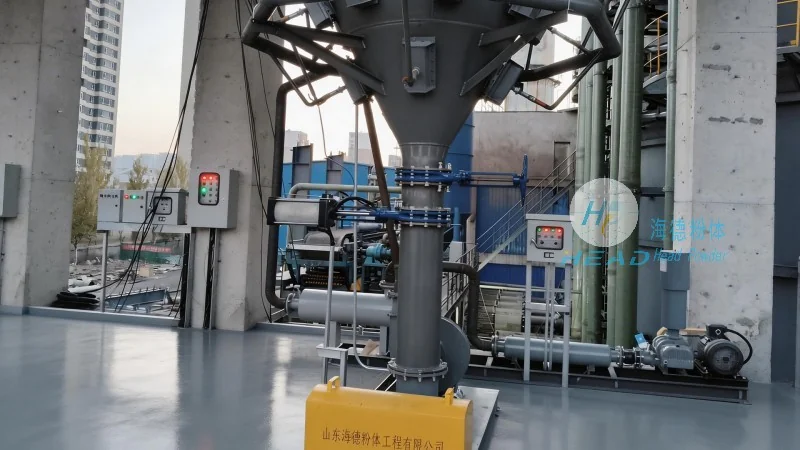
However, positive pressure systems have their own set of disadvantages. The high-pressure air can cause particle breakage or degradation of talc powder, which may affect its quality and performance in downstream processes. This is particularly relevant for talc powder used in applications where particle size and shape are critical, such as in cosmetics or rubber manufacturing. Additionally, positive pressure systems generate more dust and require more robust filtration systems to maintain air quality and comply with environmental regulations. The higher pressure also increases the risk of system leaks and potential safety hazards, necessitating more stringent maintenance and safety protocols.
Key Factors to Consider in Choosing a Conveying System
When deciding between negative pressure and positive pressure pneumatic conveying for talc powder, several factors must be evaluated. The first is the material's properties, including its particle size, moisture content, and sensitivity to pressure changes. Talc powder, being a fine, lightweight material, may benefit from the gentle handling of negative pressure systems, while larger or more abrasive materials might be better suited for positive pressure. The second factor is the distance and volume of material to be conveyed. Longer distances and higher volumes often favor positive pressure systems due to their higher capacity and efficiency. The third factor is operational costs, including energy consumption, maintenance requirements, and initial investment. Negative pressure systems may have lower initial costs but higher long-term energy costs, while positive pressure systems may have higher upfront costs but lower operational expenses.
Conclusion
In conclusion, both negative pressure and positive pressure pneumatic conveying systems have their place in the handling of talc powder. The choice between them depends on the specific requirements of the application, including material properties, conveying distance, and operational budget. Negative pressure systems excel in gentle material handling and dust control, making them suitable for sensitive applications, while positive pressure systems offer higher capacity and efficiency for large-scale operations. By carefully evaluating these factors and considering the expertise of companies like Shandong HeadPowder Engineering Co., Ltd., industrial operators can select the most appropriate pneumatic conveying system to optimize their talc powder handling processes and achieve operational efficiency.