

Advantages and Disadvantages Comparison of Negative Pressure and Positive Pressure Conveying for Cem
When it comes to the pneumatic conveying of cement and aggregates, selecting the right conveying method is crucial for optimizing operational efficiency and cost-effectiveness. Two primary approaches dominate the industry: negative pressure conveying and positive pressure conveying. Each method has its own set of advantages and disadvantages, which are essential to understand for making an informed decision. This article provides a detailed comparison of these two methods, focusing on their applications, performance characteristics, and suitability for different industrial scenarios, with insights from Shandong HeadPowder Engineering Co., Ltd., a leading provider of pneumatic conveying solutions in China.
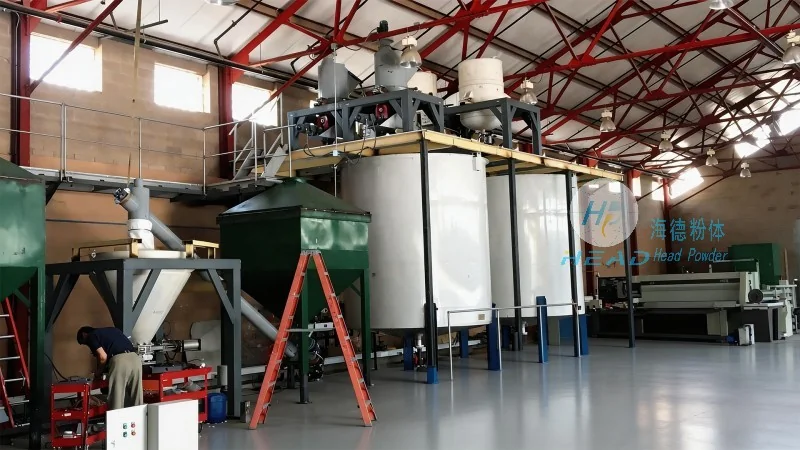
Overview of Pneumatic Conveying Systems
Pneumatic conveying systems are widely used in the cement and aggregate industries to transport bulk materials like cement, sand, and gravel over short to medium distances. These systems utilize air flow to move materials through a pipeline network, eliminating the need for mechanical components such as buckets or belts in many cases. The choice between negative pressure and positive pressure systems depends on factors like material properties, distance, and system complexity.
Negative Pressure Conveying: How It Works
Negative pressure conveying, also known as suction conveying, operates by creating a vacuum at the receiving end of the system. This vacuum draws the material from the source into the pipeline. The system typically consists of a suction unit, a filter, and a discharge point. The material is drawn into the pipeline as the air is pulled through the system, and the air is then filtered to remove any dust or particles before being released back into the environment.
Advantages of Negative Pressure Conveying
One of the key advantages of negative pressure conveying is its ability to handle materials that are sensitive to pressure changes or that may be prone to degradation under high pressure. The low pressure environment in the pipeline reduces the risk of material degradation, making it suitable for transporting delicate or heat-sensitive products. Additionally, negative pressure systems are generally more energy-efficient for short to medium conveying distances, as they require less power to create the vacuum compared to maintaining high pressure in the entire system.
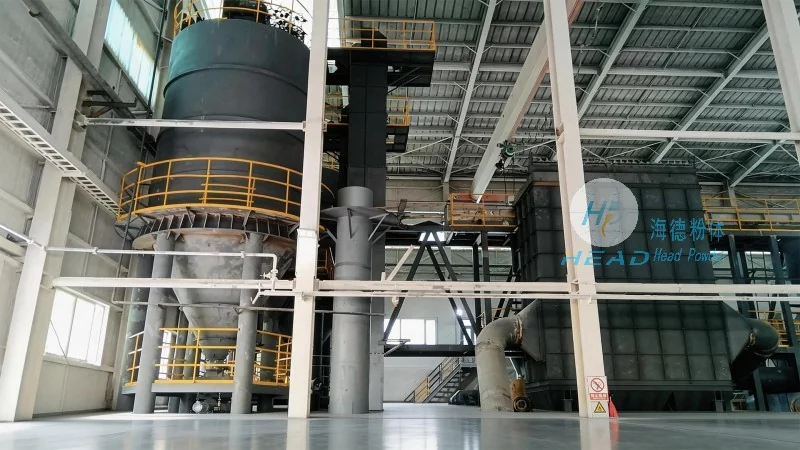
Disadvantages of Negative Pressure Conveying
However, negative pressure conveying has several limitations. The primary drawback is its limited conveying distance. The vacuum strength diminishes over longer distances, making it unsuitable for applications requiring transport over more than a few hundred meters. Another disadvantage is the risk of material backflow or blockage if the system is not properly maintained. The suction process can also be less effective with materials that are cohesive or have high moisture content, as these may not flow freely under vacuum conditions.
Positive Pressure Conveying: How It Works
Positive pressure conveying, or pressure conveying, operates by blowing air or a mixture of air and material through the pipeline. The system uses a blower or compressor to generate pressure at the source end, pushing the material through the pipeline to the discharge point. This method is more robust and can handle longer conveying distances compared to negative pressure systems.
Advantages of Positive Pressure Conveying
Positive pressure conveying is ideal for longer distances and for materials that are less sensitive to pressure changes. It can handle a wider range of materials, including those with higher moisture content or that are more cohesive. The system is also more reliable for long-term operation, as it does not rely on maintaining a vacuum, which can be prone to failure. Furthermore, positive pressure systems are generally more suitable for high-volume applications, as the pressure can be increased to enhance material flow rates.
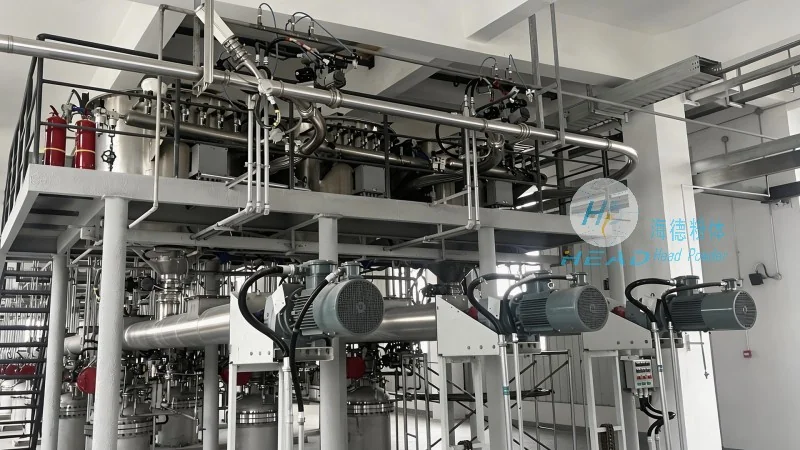
Disadvantages of Positive Pressure Conveying
The main disadvantage of positive pressure conveying is its higher energy consumption. Maintaining high pressure throughout the system requires more power, especially for longer distances. This can increase operational costs and may require more robust equipment, such as high-capacity blowers or compressors. Additionally, positive pressure systems can be more complex to install and maintain, as they need to handle higher pressures and may require more extensive filtration to prevent dust from escaping the system.
Key Factors to Consider When Choosing a Conveying Method
When deciding between negative and positive pressure conveying for cement and aggregate applications, several factors must be considered. The first is the conveying distance; negative pressure is suitable for short distances, while positive pressure is better for longer distances. The second is the material properties, including particle size, moisture content, and cohesiveness. Materials that are fine or have high moisture content may perform better with positive pressure systems. The third is the operational cost, as energy consumption plays a significant role in the long-term efficiency of the system. Finally, the system complexity and maintenance requirements should be evaluated, as both methods have different maintenance needs and potential downtime risks.
Conclusion
In conclusion, both negative pressure and positive pressure conveying methods have their own strengths and weaknesses when used for cement and aggregate pneumatic conveying. Negative pressure conveying is more energy-efficient and suitable for short distances and sensitive materials, while positive pressure conveying offers greater flexibility for longer distances and a wider range of materials. The choice between the two should be based on a thorough analysis of the specific application requirements, including distance, material characteristics, and cost considerations. By understanding the advantages and disadvantages of each method, industry professionals can select the most appropriate conveying system to optimize performance and reduce operational costs.