

Advantages and Disadvantages of Negative Pressure vs. Positive Pressure Conveying for Foamed Plastic
When it comes to the pneumatic handling of foamed plastics, the choice between negative pressure and positive pressure conveying systems is a critical decision for manufacturers. Both methods offer distinct operational characteristics that can impact efficiency, material integrity, and overall system performance. Understanding the advantages and disadvantages of each approach is essential for selecting the most suitable solution for specific applications.
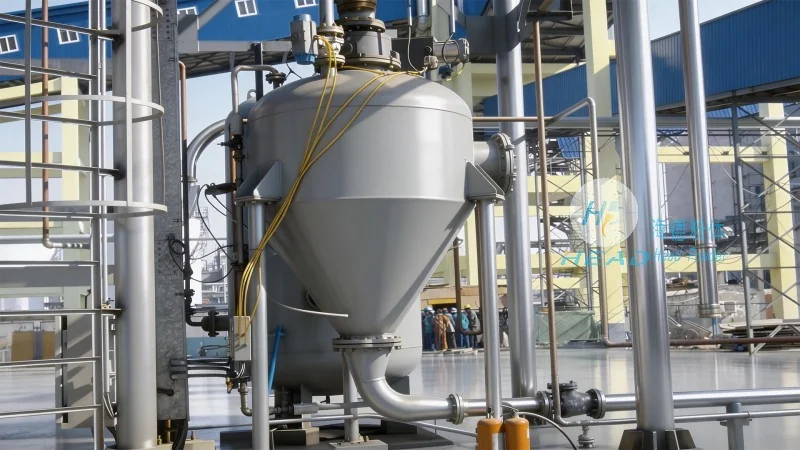
Overview of Foamed Plastic Pneumatic Conveying
Foamed plastics, also known as expanded or cellular plastics, are lightweight materials with a porous structure that can pose unique challenges during material transport. Pneumatic conveying systems use air or gas to move these materials through a pipeline, and the method of air flow—whether by creating a vacuum (negative pressure) or pressurizing the system (positive pressure)—determines the system's design and operational dynamics.
Negative Pressure Conveying: Advantages and Limitations
Negative pressure conveying, also called vacuum conveying, operates by creating a lower pressure in the conveying line compared to the ambient environment. This draws material from the source into the system. A key advantage of this method is its ability to handle materials that are prone to dusting or re-entrainment, as the vacuum helps to capture and transport fine particles effectively. Additionally, negative pressure systems are often more energy-efficient for short to medium conveying distances, as they require less power to generate the vacuum compared to pressurizing the entire system.
However, negative pressure conveying has notable limitations. One major drawback is the risk of material degradation due to prolonged exposure to low pressure and air flow, which can lead to oxidation or degradation of the foamed plastic's structure. Furthermore, the system's capacity is often limited by the vacuum pump's capability, making it less suitable for high-volume or long-distance transport. Another challenge is the potential for material blockage in the suction line, especially with irregularly shaped or sticky foamed plastics, which can cause operational interruptions.
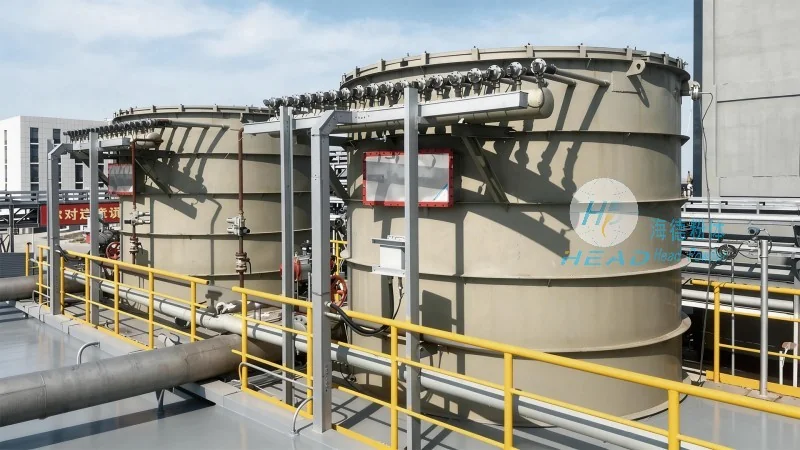
Positive Pressure Conveying: Advantages and Limitations
Positive pressure conveying, or pressure conveying, involves pressurizing the entire system with air or gas, pushing material from the source through the pipeline. This method is generally more suitable for high-volume and long-distance transport, as it can handle larger quantities of material without the constraints of vacuum pump capacity. The pressurized environment also helps to maintain material integrity by reducing exposure to air, minimizing the risk of oxidation or degradation.
Nevertheless, positive pressure systems have their own set of drawbacks. They are typically more energy-intensive, as the entire system requires continuous pressurization, which increases operational costs. Additionally, the higher pressure can cause wear on components such as valves and pipelines, leading to increased maintenance requirements. For materials that are highly abrasive or have a tendency to generate dust, positive pressure may exacerbate the issue, as the pressurized air can disperse fine particles more effectively, potentially leading to increased contamination risks.
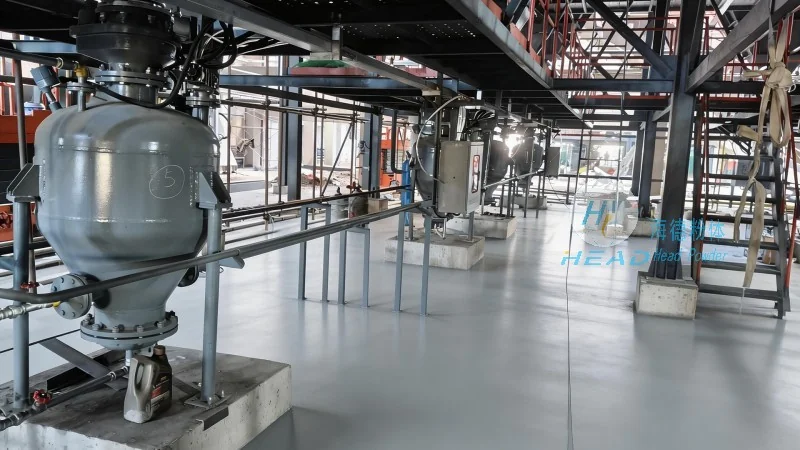
Key Considerations for Choosing Between Methods
The choice between negative and positive pressure conveying for foamed plastics depends on several factors, including the material's properties, the distance and volume of transport, and the specific operational requirements. For applications involving short distances and low to medium material volumes, negative pressure may offer cost-effective and efficient solutions. Conversely, for high-volume or long-distance transport, positive pressure systems are often more reliable and capable of maintaining material quality over extended periods.
HeadPowder Engineering: Expertise in Foamed Plastic Conveying Solutions
Shandong HeadPowder Engineering Co., Ltd., a leading provider of pneumatic conveying systems, specializes in designing and manufacturing customized solutions for the handling of foamed plastics. With years of experience in the industry, HeadPowder understands the unique challenges associated with these materials and offers tailored systems that optimize performance while minimizing operational risks. The company's expertise includes the integration of advanced control systems, material handling accessories, and maintenance support to ensure reliable and efficient operation of pneumatic conveying systems for foamed plastics.
Conclusion
In conclusion, both negative pressure and positive pressure conveying methods have their respective advantages and limitations when applied to foamed plastics. The selection of the appropriate system depends on the specific requirements of the application, including material characteristics, transport distance, and operational efficiency. By carefully evaluating these factors and leveraging the expertise of companies like Shandong HeadPowder Engineering Co., Ltd., manufacturers can choose the most suitable pneumatic conveying solution to enhance productivity and maintain material quality in their operations.