

Advantages and Disadvantages of Negative Pressure and Positive Pressure Conveying for Sodium Fluoros
Sodium fluorosilicate is a widely used chemical compound in various industrial applications, including water treatment, glass manufacturing, and chemical synthesis. The efficient and safe transportation of this material is crucial for maintaining production efficiency and ensuring workplace safety. Pneumatic conveying systems have become a preferred method for handling sodium fluorosilicate due to their ability to transport powders in a dust-free environment. Among the different types of pneumatic conveying, negative pressure and positive pressure systems are the two primary methods used in industrial settings. This article provides a detailed comparison of the advantages and disadvantages of negative pressure versus positive pressure conveying for sodium fluorosilicate, with a focus on practical applications and operational considerations.
Understanding Negative Pressure and Positive Pressure Conveying
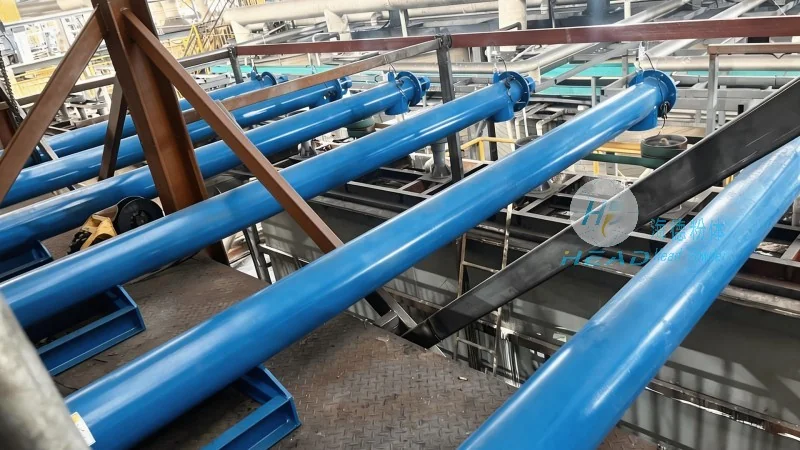
Negative pressure (or vacuum) conveying systems operate by creating a vacuum in the conveying line, which draws the material from the source to the destination. This method is often referred to as suction conveying. In contrast, positive pressure (or pressure) conveying systems use compressed air to push the material through the pipeline. Both methods have distinct characteristics that make them suitable for different scenarios. Understanding the fundamental differences between these two approaches is essential for selecting the most appropriate system for a specific application.
Advantages of Negative Pressure Conveying for Sodium Fluorosilicate
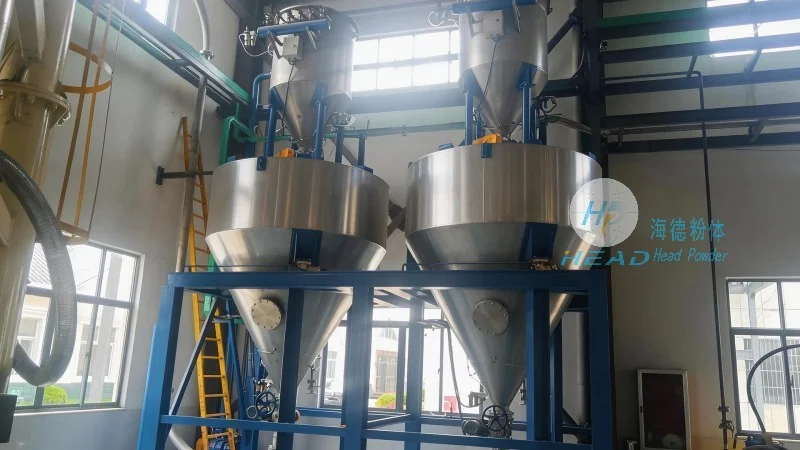
Negative pressure conveying offers several advantages when handling sodium fluorosilicate. One of the key benefits is the ability to convey materials from multiple sources to a single destination without the need for intermediate storage. This can simplify the overall system design and reduce the risk of material contamination. Additionally, negative pressure systems are generally more energy-efficient compared to positive pressure systems, as they require less power to operate. The vacuum created in the system also helps to minimize dust emissions, making it a more environmentally friendly option. For applications where dust control is a critical concern, negative pressure conveying is often the preferred choice.
Disadvantages of Negative Pressure Conveying for Sodium Fluorosilicate
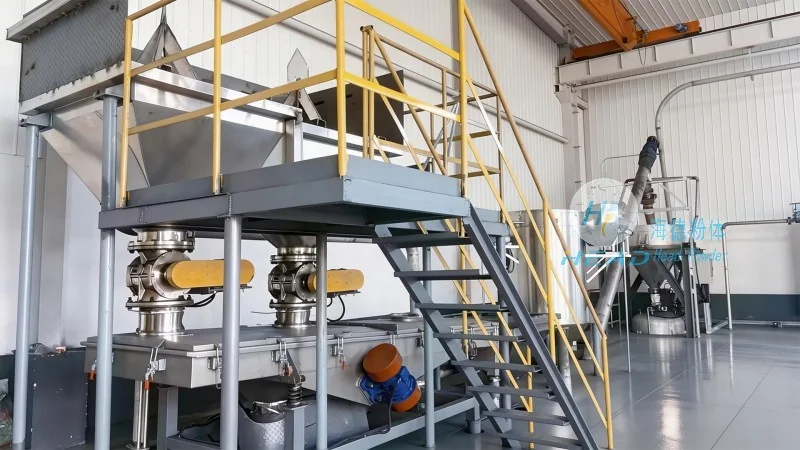
Despite its advantages, negative pressure conveying has several drawbacks that may limit its use in certain applications. One of the main disadvantages is the potential for system backflow, where material can be drawn back into the source or the vacuum pump. This can lead to material loss and increased maintenance requirements. Another issue is the risk of air leakage, which can reduce the efficiency of the conveying process and increase energy consumption. Negative pressure systems also tend to have higher initial costs compared to positive pressure systems due to the need for more robust vacuum pumps and additional sealing components. Furthermore, the system's performance can be affected by changes in ambient conditions, such as temperature and humidity, which may impact the material's flow characteristics.
Advantages of Positive Pressure Conveying for Sodium Fluorosilicate
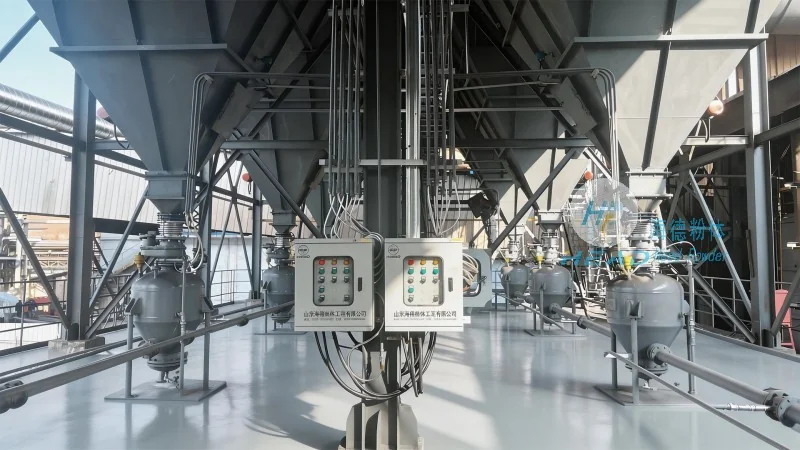
Positive pressure conveying systems offer several advantages that make them suitable for specific applications involving sodium fluorosilicate. One of the primary benefits is the ability to handle a wider range of material types and flow rates. Positive pressure systems can effectively convey materials with higher moisture content or those that are more abrasive, which may be difficult to handle with negative pressure systems. Additionally, positive pressure conveying is generally more suitable for long-distance or high-velocity applications, as the compressed air can provide sufficient pressure to move the material through the pipeline. This makes it an ideal choice for applications where the material needs to be transported over significant distances or at high speeds.
Disadvantages of Positive Pressure Conveying for Sodium Fluorosilicate
While positive pressure conveying has its advantages, it also comes with several disadvantages that should be considered. One of the main drawbacks is the higher energy consumption compared to negative pressure systems. The compressed air required to operate the system can lead to increased operational costs, especially for large-scale applications. Another issue is the potential for increased dust emissions, as the material is pushed through the pipeline at high velocities. This can create a dust cloud that may affect workplace safety and require additional dust control measures. Positive pressure systems also tend to have higher maintenance requirements due to the wear and tear on the compressed air components, such as the air compressor and pipeline fittings.
Conclusion and Recommendations from Shandong HeadPowder Engineering Co., Ltd.
When selecting a pneumatic conveying system for sodium fluorosilicate, it is essential to consider the specific requirements of the application, including material characteristics, distance, and environmental factors. Negative pressure conveying is generally more suitable for applications where dust control and energy efficiency are critical, while positive pressure conveying is better suited for high-velocity or long-distance applications. Shandong HeadPowder Engineering Co., Ltd., a leading provider of industrial conveying solutions, offers customized pneumatic conveying systems tailored to the unique needs of each client. With years of experience in the industry, the company provides expert guidance and reliable equipment to ensure efficient and safe transportation of sodium fluorosilicate. By understanding the advantages and disadvantages of both negative and positive pressure conveying, industries can make informed decisions to optimize their production processes and enhance overall operational efficiency.