

Comparison of Advantages and Disadvantages of Negative Pressure and Positive Pressure Conveying in T
Titanium dioxide, a critical white pigment used in various industries including coatings, plastics, and paper, requires efficient material handling solutions to ensure quality and process reliability. Pneumatic conveying is a widely adopted method for transporting titanium dioxide, offering advantages such as dust-free operation and reduced material degradation. Two primary approaches dominate this field: negative pressure (or suction) conveying and positive pressure (or pressure) conveying. Each method presents unique benefits and drawbacks, making the selection of an appropriate system crucial for industrial applications. This article provides a detailed comparison of the advantages and disadvantages of negative pressure and positive pressure conveying in the context of titanium dioxide handling, with a focus on practical considerations for industrial operations.
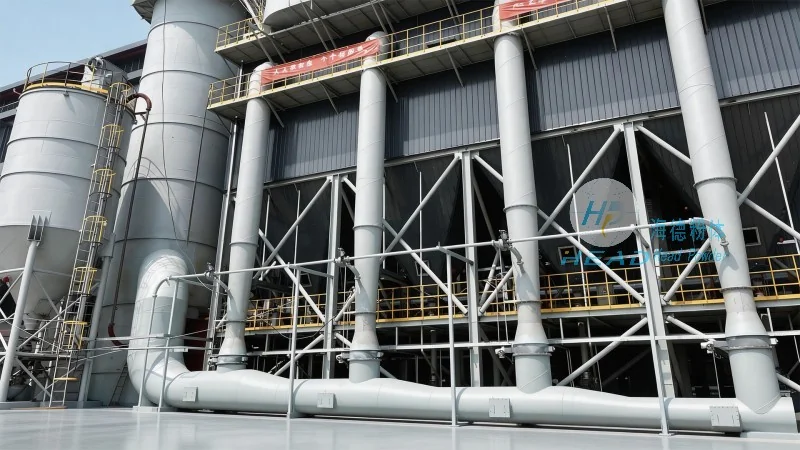
Company Overview: Shandong HeadPowder Engineering Co., Ltd.
Shandong HeadPowder Engineering Co., Ltd., commonly known as HeadPowder, is a leading provider of pneumatic conveying solutions tailored for high-value materials like titanium dioxide. With operations based in Shandong, China, the company specializes in designing, manufacturing, and implementing customized conveying systems that meet the stringent requirements of modern industrial processes. HeadPowder’s expertise lies in optimizing material flow, minimizing product contamination, and enhancing overall operational efficiency for clients in the chemical and pigment industries.
Understanding Negative Pressure (Suction) Conveying
Negative pressure conveying, also known as suction conveying, operates by creating a low-pressure zone at the material inlet, which draws the titanium dioxide into the conveying line using an air stream. This method is particularly effective for handling fine powders and preventing dust dispersion, as the material is drawn into the system rather than being expelled. The primary advantages of negative pressure systems include:
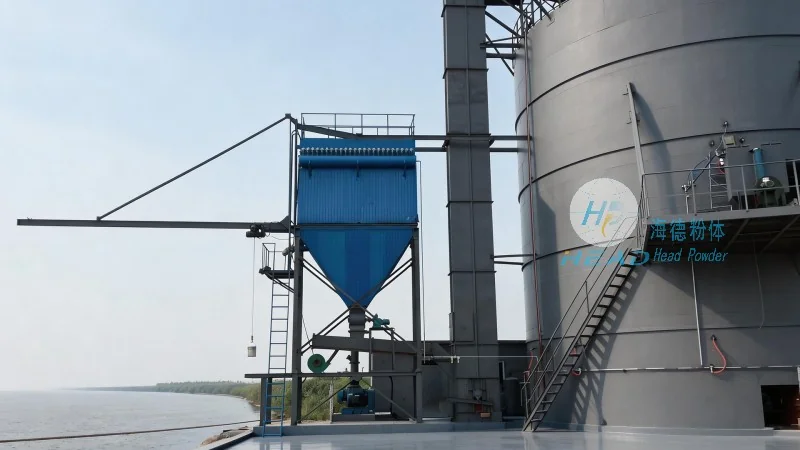
- Reduced dust generation and improved environmental compliance, as the material is contained within the system.
- Lower risk of product contamination from external air, as the conveying line is sealed and operates under negative pressure.
- Flexibility in material handling, allowing for long-distance transport and multiple transfer points without the need for additional pressure equipment.
However, negative pressure conveying also presents several challenges. The system requires robust vacuum pumps and high-efficiency filters to maintain consistent material flow, which can increase operational costs. Additionally, the suction process may be less effective for handling cohesive or sticky powders, as the low pressure can lead to blockages or uneven material transport. The need for regular maintenance of vacuum components and filtration systems further adds to the operational complexity.
Understanding Positive Pressure (Pressure) Conveying
Positive pressure conveying, or pressure conveying, works by generating high-pressure air at the material inlet, pushing the titanium dioxide through the conveying line. This method is often preferred for handling bulkier or more abrasive materials, as the higher pressure ensures consistent flow and reduces the risk of blockages. The key advantages of positive pressure systems include:
- Enhanced material transport efficiency, especially for larger particles or materials with higher bulk density.
- Reduced system complexity, as the conveying line operates under positive pressure, eliminating the need for vacuum pumps.
- Improved control over material flow rates, allowing for precise dosing and integration with downstream processes.
Nevertheless, positive pressure conveying has its limitations. The high-pressure operation can increase energy consumption and the risk of system leaks, which may lead to dust emissions and product loss. The system also requires more robust piping and valves to withstand the higher pressure, increasing initial capital costs. Additionally, the positive pressure environment may not be suitable for materials sensitive to air exposure, as the system may introduce oxygen or moisture into the material stream.
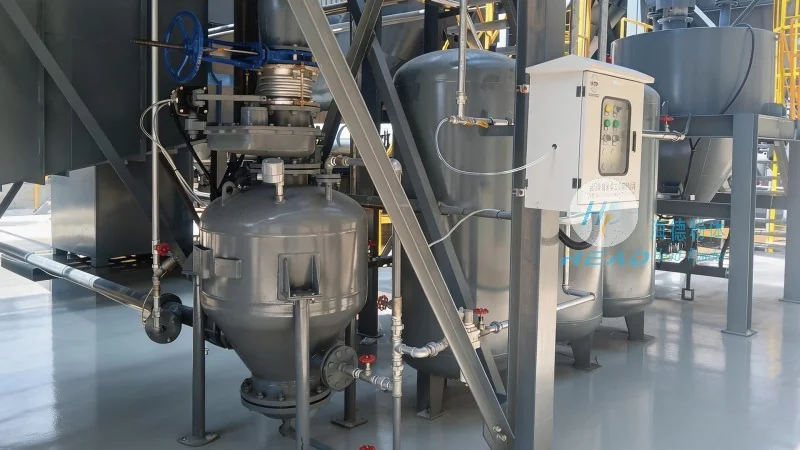
Comparative Analysis: Negative vs. Positive Pressure Conveying
When selecting a pneumatic conveying system for titanium dioxide, the choice between negative and positive pressure depends on several factors, including material properties, transport distance, and operational requirements. A comparative analysis of the two methods reveals the following key differences:
Efficiency and Energy Consumption: Positive pressure systems generally consume more energy due to the need for high-pressure air generation, while negative pressure systems may require more maintenance for vacuum components. The energy efficiency of each system varies based on the specific application and system design.
Dust Control and Environmental Impact: Negative pressure conveying excels in dust control, as the material is drawn into the system and sealed from the environment. Positive pressure systems, while effective for some applications, may require additional dust collection equipment to mitigate emissions.
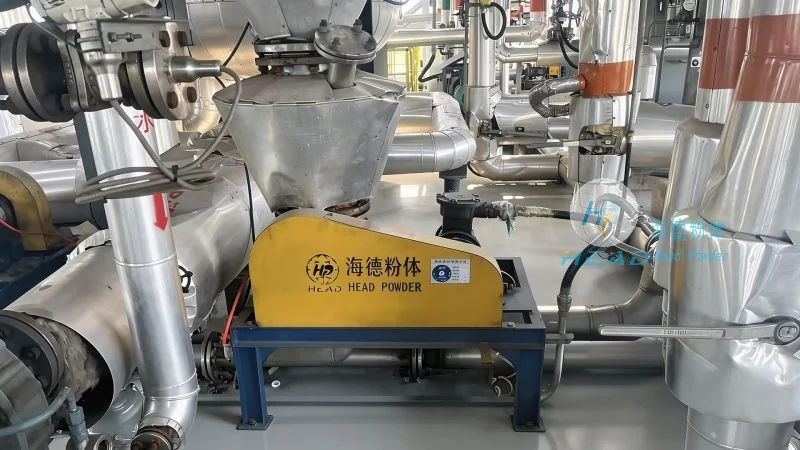
Material Handling Capabilities: Negative pressure is better suited for fine, cohesive powders, while positive pressure is more effective for bulkier or abrasive materials. The choice of system should align with the physical characteristics of the titanium dioxide being transported.
Initial Investment and Maintenance Costs: Positive pressure systems typically have higher initial costs due to the need for high-pressure components, but lower maintenance costs compared to negative pressure systems, which require regular filter and vacuum pump upkeep.