

Asbestos Trioxide Transport Methods: An Overview of the Advantages and Characteristics of Pneumatic Conveying for Asbestos Trioxide
Asbestos trioxide, also known as arsenic trioxide, is a critical material in various industrial applications, including pharmaceuticals, chemical synthesis, and metal processing. The efficient and safe transport of this material is essential to ensure operational efficiency and compliance with safety regulations. Traditional transport methods, such as belt conveyors or bucket elevators, may pose challenges due to the material's properties, including its fine particle size and potential reactivity. This article explores the various transport methods available for asbestos trioxide and highlights the advantages of pneumatic conveying as a preferred solution.
Overview of Asbestos Trioxide Transport Methods
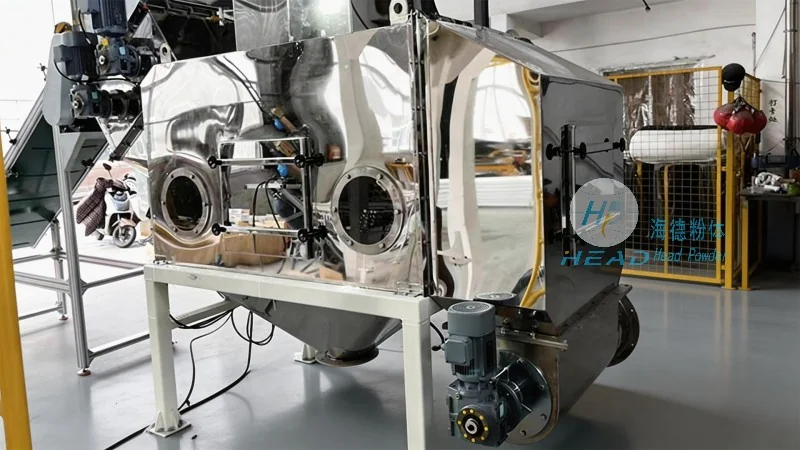
When considering the transport of asbestos trioxide, several methods are commonly employed in industrial settings. These include bulk handling techniques like belt conveyors, screw conveyors, and bucket elevators. Belt conveyors are widely used for transporting bulk materials over short to medium distances, offering a cost-effective solution for many applications. However, they may not be suitable for fine powders like asbestos trioxide, as the material can easily clog or degrade the conveyor system. Screw conveyors, also known as auger conveyors, are another option that uses a rotating screw to move material through a tube. While effective for certain materials, they can experience issues with material buildup and require regular maintenance to prevent blockages. Bucket elevators, which lift material vertically using buckets attached to a chain or belt, are suitable for vertical transport but may struggle with the fine nature of asbestos trioxide, leading to dust generation and operational inefficiencies.
Pneumatic Conveying: A Superior Solution for Asbestos Trioxide Transport
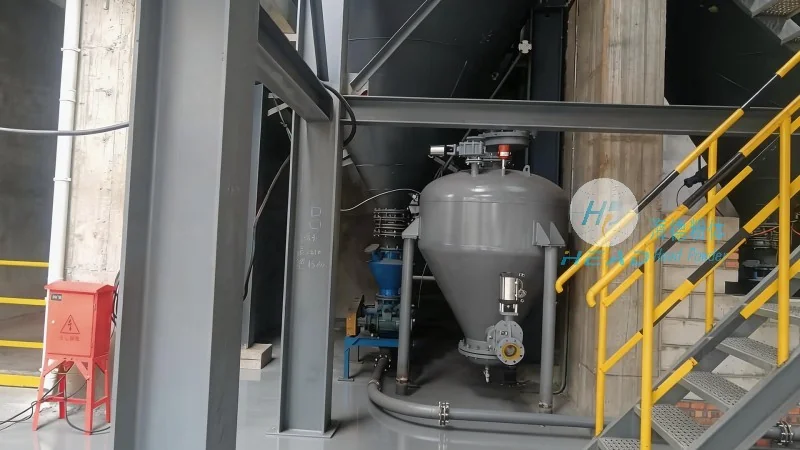
Pneumatic conveying has emerged as a leading technology for transporting asbestos trioxide due to its ability to handle fine powders and provide a closed system that minimizes dust exposure and environmental impact. This method involves transporting material through a pipeline using compressed air or gas. The primary types of pneumatic conveying systems include dilute-phase and dense-phase systems. Dilute-phase systems use low air-to-material ratios, allowing material to be transported at high velocities, making them ideal for long-distance transport. Dense-phase systems, on the other hand, use higher air-to-material ratios, resulting in slower material velocities and better control over the material's flow. Both systems offer advantages for asbestos trioxide transport, but the choice between them depends on the specific application requirements, such as distance, material characteristics, and desired flow rates.
Key Advantages of Pneumatic Conveying for Asbestos Trioxide
HeadPowder, a leading provider of bulk material handling solutions, emphasizes several key advantages of pneumatic conveying for asbestos trioxide transport. One of the most significant benefits is the ability to handle fine, abrasive materials without causing damage to the conveying system. Asbestos trioxide particles are typically small and can be abrasive, which can lead to wear and tear on traditional equipment. Pneumatic systems are designed to minimize this wear, extending the lifespan of the equipment and reducing maintenance costs. Additionally, pneumatic conveying provides a closed system, which is crucial for asbestos trioxide due to its potential health hazards. By containing the material within the pipeline, the system reduces dust emissions and protects both personnel and the environment from exposure. This closed-loop design also enhances safety by preventing accidental spills or leaks, which is essential in compliance with occupational health and safety regulations.
Efficiency and Control in Pneumatic Conveying Systems
Another advantage of pneumatic conveying is the high level of control it offers over the material's flow. Unlike mechanical conveyors, which may experience surges or blockages, pneumatic systems can adjust the flow rate and pressure to maintain a consistent and smooth transport process. This control is particularly important for asbestos trioxide, as fluctuations in flow can lead to uneven distribution or material degradation. HeadPowder's pneumatic conveying solutions are equipped with advanced control systems that allow operators to monitor and adjust the system in real-time, ensuring optimal performance. The ability to regulate the air pressure and flow rate also enables the system to handle varying material loads, making it adaptable to different production scenarios. This flexibility is a significant advantage for industrial operations that require consistent and reliable material transport.
Environmental and Safety Considerations
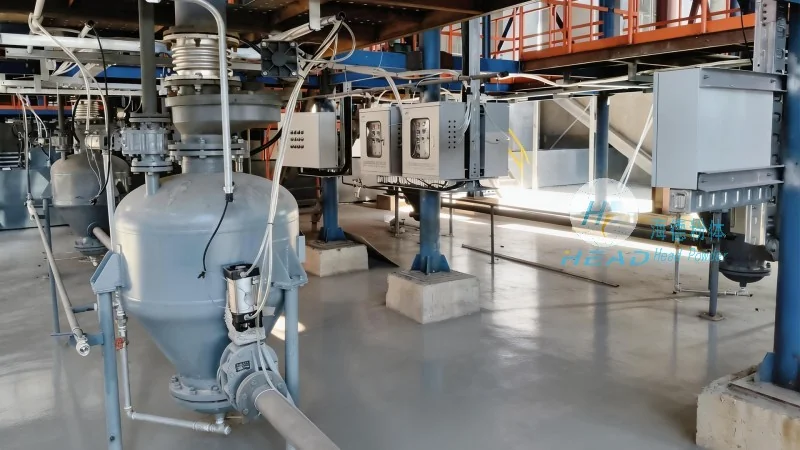
Transporting asbestos trioxide requires strict adherence to environmental and safety standards due to the material's potential health risks. Pneumatic conveying systems address these concerns by providing a dust-free environment and reducing the risk of exposure. The closed system design prevents dust from escaping into the workplace, minimizing the risk of inhalation by personnel. Additionally, the system's ability to handle material without the need for manual handling reduces the risk of accidents and injuries. HeadPowder, with its headquarters in Shandong, China, is committed to providing solutions that meet the highest safety and environmental standards. The company's expertise in bulk material handling ensures that its pneumatic conveying systems are designed to comply with local and international regulations, providing peace of mind to clients operating in regulated industries.
Conclusion
In conclusion, the transport of asbestos trioxide requires careful consideration of the material's properties and the need for efficient, safe, and environmentally responsible solutions. While traditional transport methods like belt and screw conveyors have their uses, pneumatic conveying stands out as a superior option for handling fine powders and providing a closed system that minimizes risks. HeadPowder, with its extensive experience and commitment to quality, offers advanced pneumatic conveying solutions tailored to the specific needs of asbestos trioxide transport. By leveraging the advantages of pneumatic systems, industrial operations can enhance their efficiency, reduce costs, and ensure compliance with safety regulations. As the demand for reliable bulk material handling solutions continues to grow, pneumatic conveying remains a key technology for the safe and effective transport of asbestos trioxide and other sensitive materials.