

Classification and Composition of Gelatin Pneumatic Conveying Systems
Gelatin pneumatic conveying systems are specialized equipment designed to transport gelatin powder efficiently and safely. These systems are widely used in the food, pharmaceutical, and chemical industries due to their ability to handle delicate materials while maintaining product integrity. HeadPowder, a leading manufacturer based in Shandong, China, specializes in the design and production of such systems, offering customized solutions tailored to the specific needs of clients.
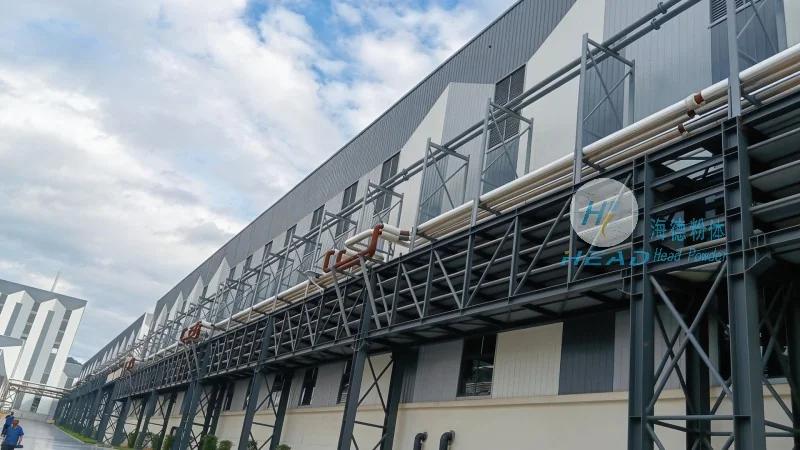
Classification of Gelatin Pneumatic Conveying Systems
There are primarily two main classifications of gelatin pneumatic conveying systems: positive pressure systems and negative pressure systems. Each type has distinct characteristics and is suited for different operational scenarios.
Positive pressure systems, also known as pressure conveying systems, operate by blowing air or gas into the conveying line, creating a positive pressure environment. This method is effective for long-distance and high-capacity transport, as it can handle larger quantities of material and maintain consistent flow rates. The system typically includes a blower or compressor that supplies the necessary pressure to move the gelatin particles through the pipeline.
Negative pressure systems, or vacuum conveying systems, create a vacuum in the conveying line to draw the material from the source. This approach is ideal for applications where dust control and material recovery are critical, as it prevents the release of fine particles into the environment. Negative pressure systems are often used for short to medium-distance transport and for handling materials that are sensitive to pressure changes.
Key Components of Gelatin Pneumatic Conveying Systems
The effective operation of a gelatin pneumatic conveying system relies on several critical components, each playing a vital role in the overall process. The main components include:
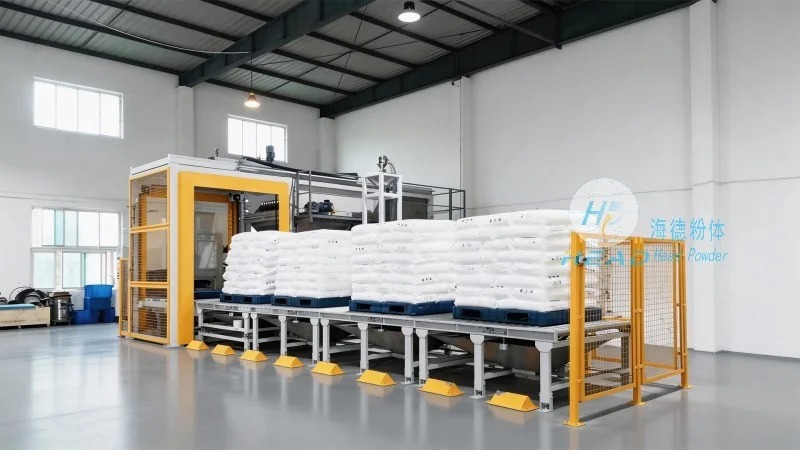
1. Feeding Device: This component is responsible for introducing the gelatin powder into the conveying system. Common feeding devices include rotary valves, star feeders, and screw feeders. These devices ensure a consistent and controlled flow of material into the system, preventing blockages and maintaining system efficiency.
2. Conveying Pipeline: The pipeline is the primary pathway for transporting the gelatin particles. It is typically made of materials such as stainless steel or polyethylene to ensure durability and resistance to corrosion from the gelatin powder. The pipeline design, including bends and elbows, is optimized to minimize pressure drop and maintain smooth material flow.
3. Separation and Collection Equipment: At the receiving end of the system, separation equipment is used to separate the gelatin from the conveying air. This may include cyclone separators, bag filters, or cartridge filters. These devices ensure that the gelatin is collected in a clean and dry state, while the air is filtered and discharged safely.
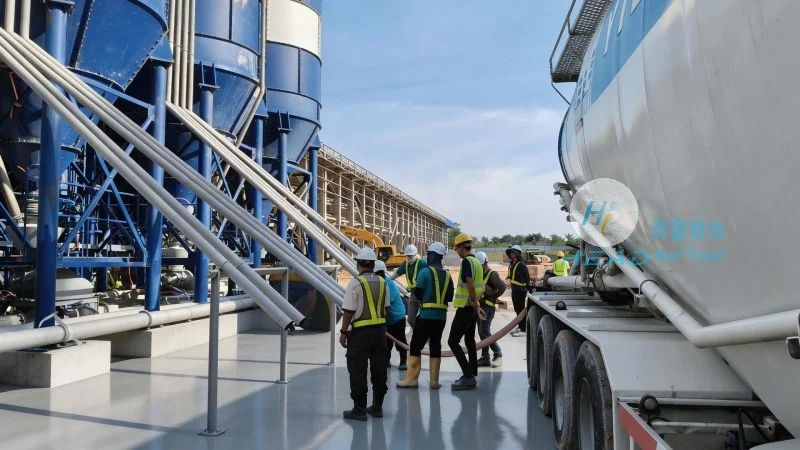
4. Blower or Vacuum Pump: The power source for the system, either a positive pressure blower or a negative pressure vacuum pump, provides the necessary air flow to move the material. The selection of the blower or pump depends on the system classification and the specific operational requirements, such as the required pressure and flow rate.
5. Control System: Modern gelatin pneumatic conveying systems are equipped with advanced control systems that monitor and regulate the operation. These systems may include sensors for pressure, flow, and level, as well as programmable logic controllers (PLCs) to automate the feeding and conveying process. The control system ensures optimal performance, reduces downtime, and enhances safety.
Application and Operational Considerations
The choice of a gelatin pneumatic conveying system depends on several factors, including the nature of the gelatin, the distance of transport, and the required capacity. For example, in food processing applications, where hygiene and product purity are paramount, stainless steel components and closed systems are preferred. In pharmaceutical applications, additional filtration and sterilization steps may be required to meet regulatory standards.
Operational considerations also include the handling of fine particles and the prevention of material degradation. Gelatin is a delicate material that can be easily agglomerated or damaged by excessive pressure or temperature. Therefore, the system design must minimize these risks, ensuring that the gelatin remains in a free-flowing state throughout the conveying process.