

Classification and Composition of Wool Pneumatic Conveying Systems
Wool pneumatic conveying systems are essential equipment in the textile and processing industries, designed to efficiently transport wool fibers and related materials. These systems utilize air pressure or vacuum to move materials through a network of pipes, ensuring a clean and efficient process. The classification and composition of such systems are critical for understanding their functionality and selecting the appropriate equipment for specific applications.
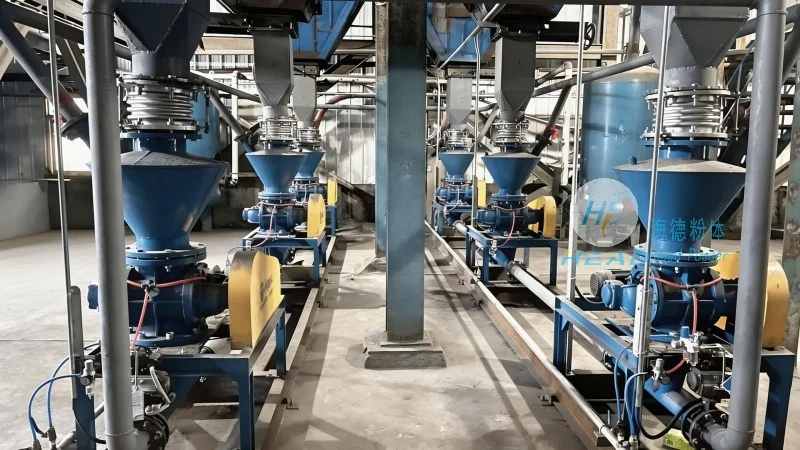
Classification of Wool Pneumatic Conveying Systems
Wool pneumatic conveying systems can be broadly classified into two main types based on the pressure differential used: positive pressure systems and negative pressure systems. Each type has distinct characteristics and is suitable for different operational requirements.
Positive Pressure Systems
Positive pressure systems operate by blowing air or a carrier gas into the material stream, creating a pressure higher than the ambient air. This method is commonly used for long-distance or high-capacity conveying, as it can handle larger volumes of material and is less prone to blockages. The system typically includes a blower or compressor, a feed hopper, and a series of pipes that transport the wool through the system. Positive pressure systems are often preferred in applications where the material needs to be conveyed over significant distances or through complex pipe networks.
Negative Pressure Systems
Negative pressure systems, also known as vacuum systems, create a lower pressure in the pipe than the surrounding environment, drawing the material into the system. This approach is ideal for applications requiring gentle handling of delicate materials, such as fine wool fibers, as it minimizes particle breakage and damage. Negative pressure systems are commonly used for shorter conveying distances and in environments where dust control is a priority. They typically include a vacuum pump, a collection hopper, and a filter to remove particles from the air before it is released back into the atmosphere.
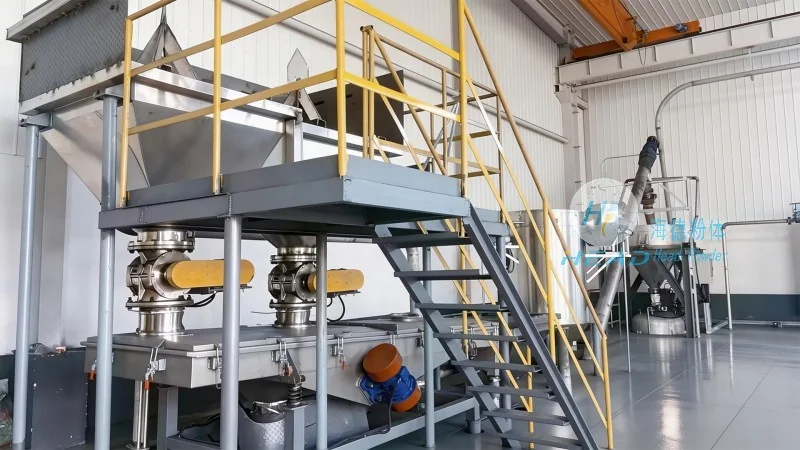
Key Components of Wool Pneumatic Conveying Systems
The effective operation of a wool pneumatic conveying system relies on several key components, each playing a crucial role in the overall process. These components work together to ensure efficient material transport, proper air management, and safe operation.
1. Feed Hopper and Material Preparation
The feed hopper is the initial component where raw wool or processed fibers are loaded. It is designed to store and meter the material into the conveying system. In many systems, the hopper includes a pre-screening or conditioning section to remove foreign objects and ensure consistent material flow. This step is vital for preventing blockages and maintaining system efficiency. The hopper may also be equipped with a rotary valve or screw feeder to control the rate of material discharge, allowing for precise control over the conveying rate.
2. Conveying Unit (Blower or Vacuum Pump)
The conveying unit is the heart of the system, responsible for generating the necessary pressure or vacuum to move the material. For positive pressure systems, a high-pressure blower or compressor is used, while negative pressure systems employ a vacuum pump. The choice of equipment depends on the system classification and the specific conveying requirements. The blower or pump must be capable of delivering sufficient airflow and pressure to overcome the resistance in the pipe network and ensure the material is transported at the desired velocity. Proper maintenance of the conveying unit is essential to maintain system performance and prevent downtime.
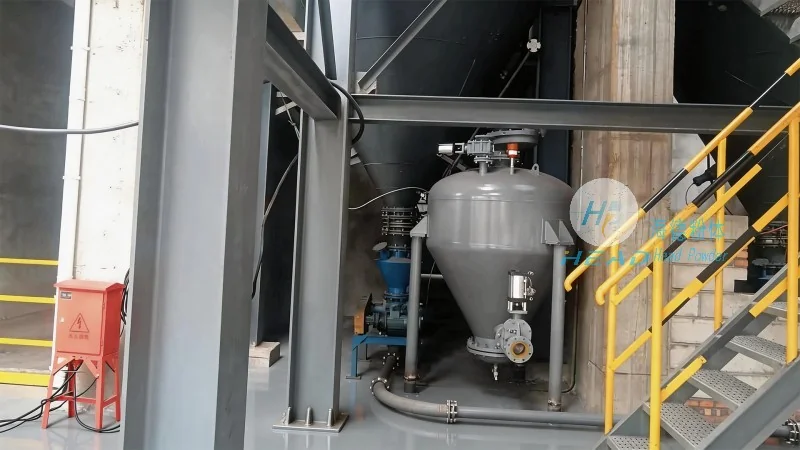
3. Conveying Pipes and Fittings
The pipe network is the primary pathway for material transport in a pneumatic conveying system. The pipes are typically made of materials such as stainless steel or plastic, chosen for their durability and resistance to corrosion from wool fibers and moisture. The pipe diameter and length are critical factors that affect the system's efficiency and capacity. Properly sized pipes ensure that the material moves at an optimal velocity, minimizing the risk of blockages and reducing energy consumption. The system includes various fittings, such as elbows, tees, and reducers, which are used to direct the flow and change the direction of the material and air. These fittings are designed to minimize pressure loss and maintain the system's efficiency.
4. Separation and Collection Equipment
At the end of the conveying process, the wool fibers need to be separated from the air and collected. This is typically achieved using a cyclone separator or a bag filter. The separator uses centrifugal force to separate the solid particles from the air stream, allowing the clean air to be discharged while the wool is collected in a hopper. The collection hopper is designed to store the processed wool and may include a discharge mechanism to transfer the material to the next stage of processing. In some systems, additional equipment such as a dust collector or air filter is used to ensure compliance with environmental regulations and maintain air quality.
5. Control and Monitoring Systems
Modern wool pneumatic conveying systems are equipped with control and monitoring systems to ensure safe and efficient operation. These systems may include sensors to monitor pressure, flow rate, and material level, as well as control panels to adjust the system parameters in real-time. The control system allows operators to adjust the conveying rate, pressure, or vacuum levels based on the material being processed or the system's performance. This automation helps to optimize the system's operation, reduce energy consumption, and minimize the risk of equipment damage or material loss. Proper monitoring also helps in early detection of system issues, allowing for timely maintenance and preventing costly downtime.