

Advantages and Disadvantages of Negative Pressure and Positive Pressure Pneumatic Conveying for Acti
HeadPowder, a leading provider of engineering solutions based in Shandong, China, specializes in the design and implementation of pneumatic conveying systems for activated carbon powder. This article provides a detailed comparison of negative pressure (suction) and positive pressure (blowing) conveying methods, highlighting their respective advantages and disadvantages to help clients make informed decisions for their material handling needs.
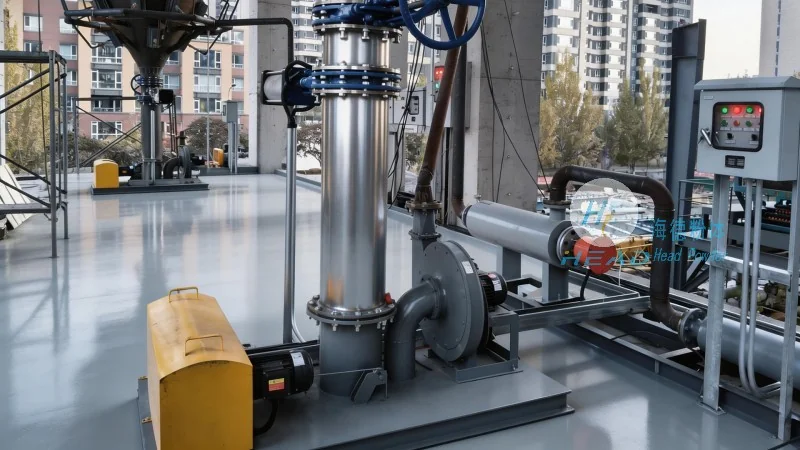
Introduction to Pneumatic Conveying for Activated Carbon Powder
Pneumatic conveying is a critical technology for transporting activated carbon powder, a material widely used in filtration, adsorption, and industrial processes. The choice between negative pressure and positive pressure systems depends on various factors, including the nature of the material, required throughput, distance, and environmental considerations. Understanding the pros and cons of each approach is essential for optimizing operational efficiency and ensuring compliance with safety and environmental regulations.
HeadPowder: Your Expert in Activated Carbon Powder Conveying Solutions
As a company headquartered in Shandong, China, HeadPowder Engineering Co., Ltd. has established itself as a trusted partner in the development of customized pneumatic conveying systems. With a focus on precision engineering and client-specific requirements, HeadPowder delivers solutions that enhance productivity, reduce downtime, and maintain the integrity of activated carbon powder during transport. Our expertise spans the entire spectrum of material handling, from system design and installation to ongoing maintenance and support.
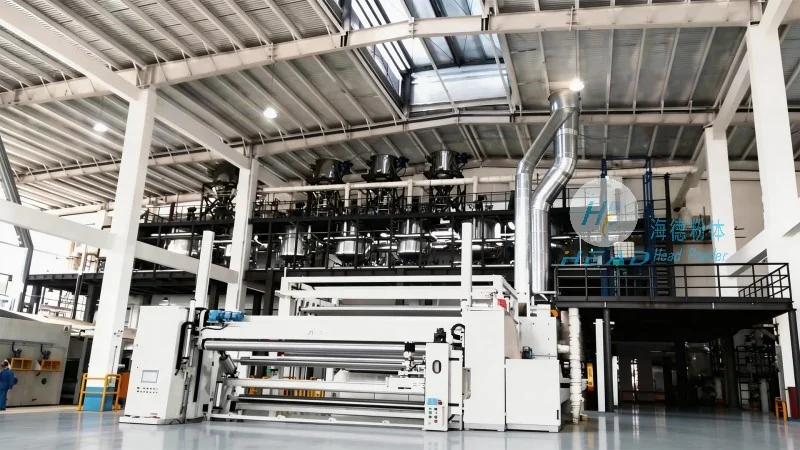
Negative Pressure (Suction) Pneumatic Conveying
Negative pressure conveying, also known as suction conveying, operates by creating a vacuum in the system to draw material from the source to the destination. This method is particularly suitable for applications where the material is to be collected from a hopper or a storage silo and transported to a processing unit. One of the key advantages of negative pressure systems is their ability to maintain a clean and dust-free environment at the source, as the material is drawn into the system rather than being expelled. This is especially beneficial for activated carbon powder, which can be a respiratory hazard if released into the air.
Another advantage is the system's ability to handle long distances and complex routing, as the vacuum can be maintained over extended lengths without significant pressure loss. This makes negative pressure conveying ideal for applications where the source and destination are separated by obstacles or require a flexible path. However, negative pressure systems typically have lower throughput capabilities compared to positive pressure systems, as the vacuum pump's capacity limits the amount of material that can be conveyed at any given time. Additionally, the system may require more complex piping and additional components, such as cyclone separators and filters, to ensure efficient material separation and prevent clogging.
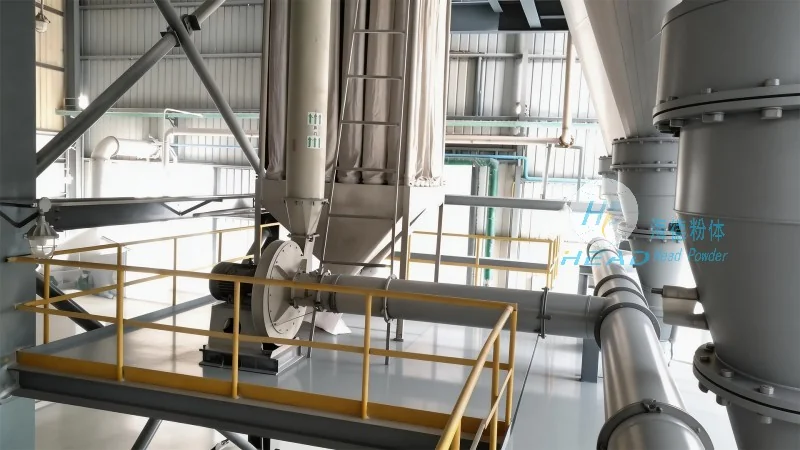
Positive Pressure (Blowing) Pneumatic Conveying
Positive pressure conveying, or blowing conveying, works by using a blower or compressor to push material through a sealed pipeline. This method is commonly used for high-capacity applications where large volumes of activated carbon powder need to be transported over shorter distances. The primary advantage of positive pressure systems is their higher throughput and ability to handle larger particles or higher concentrations of material. The sealed pipeline prevents dust from escaping, reducing the risk of environmental contamination and improving workplace safety.
Positive pressure systems are generally more energy-efficient than negative pressure systems, as the blower operates at lower pressures and can be sized to match the required flow rate. The simplicity of the system design, with fewer components and less complex piping, also contributes to lower maintenance costs and easier installation. However, positive pressure conveying requires strict sealing of the pipeline to prevent dust leakage, which can be challenging with fine powders like activated carbon. If the seals fail, the material can be released into the environment, leading to regulatory issues and health hazards. Additionally, the system may generate higher noise levels and require more robust equipment to handle the higher pressures involved.
Comparative Analysis: Which Conveying Method is Right for You?
When deciding between negative pressure and positive pressure pneumatic conveying for activated carbon powder, several factors must be considered. For applications requiring long-distance transport or complex routing, negative pressure systems may be more suitable due to their ability to maintain a clean environment and handle flexible paths. Conversely, for high-volume, short-distance transport where efficiency and throughput are paramount, positive pressure systems offer superior performance.
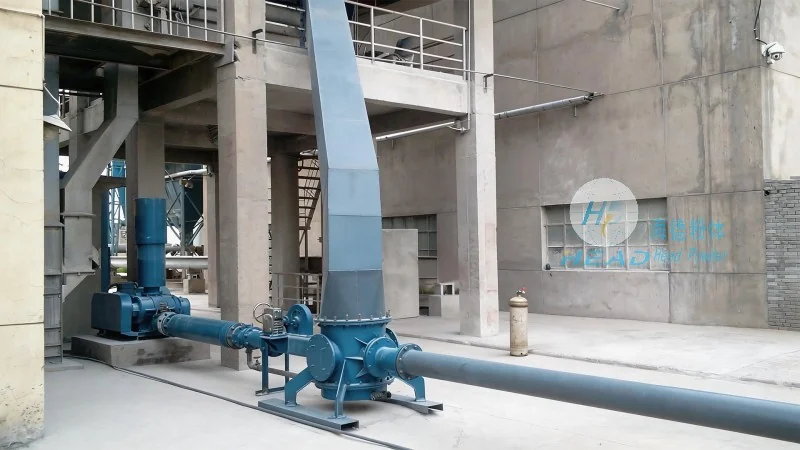
Environmental considerations also play a significant role. Negative pressure systems excel in maintaining dust-free conditions at the source, making them ideal for applications where environmental compliance is critical. Positive pressure systems, while effective in containing dust within the pipeline, may require additional filtration and containment measures to prevent off-gassing. HeadPowder's engineering team can conduct a thorough assessment of your specific needs, including material characteristics, operational requirements, and environmental regulations, to recommend the most appropriate conveying method and system configuration.
Conclusion
Both negative pressure and positive pressure pneumatic conveying methods have distinct advantages and limitations when applied to activated carbon powder. Negative pressure systems excel in maintaining a clean environment and handling complex routes, while positive pressure systems offer higher throughput and better energy efficiency. By understanding these differences and leveraging the expertise of companies like HeadPowder, clients can select the most effective conveying solution to meet their operational and safety objectives. Whether you are looking to optimize material handling efficiency or ensure compliance with environmental standards, a well-designed pneumatic conveying system from HeadPowder can provide the reliable performance needed for your activated carbon powder applications.