

Design of PVC Negative Pressure Pneumatic Conveying Equipment
Shandong HeadPowder Engineering Co., Ltd., a leading manufacturer based in Shandong, China, specializes in the design and development of advanced pneumatic conveying systems. The company's expertise lies in creating efficient and reliable solutions for material handling, particularly through the application of PVC negative pressure pneumatic conveying equipment. This equipment is engineered to transport various powders and granules with precision, ensuring minimal product degradation and optimal operational performance.
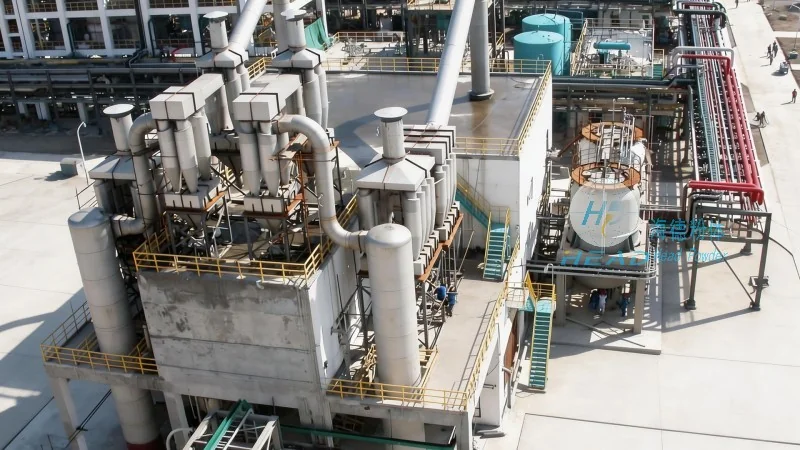
Key Features of the PVC Negative Pressure Pneumatic Conveying System
The PVC negative pressure pneumatic conveying system is characterized by its robust construction and innovative design. The system utilizes a vacuum pump to create a negative pressure environment, which draws material from the source into the conveying line. The use of PVC components ensures corrosion resistance and durability, making it suitable for a wide range of industrial applications. The design incorporates adjustable flow control mechanisms, allowing operators to regulate the conveying rate according to specific material characteristics and process requirements. Additionally, the system features easy maintenance and cleaning capabilities, reducing downtime and operational costs.
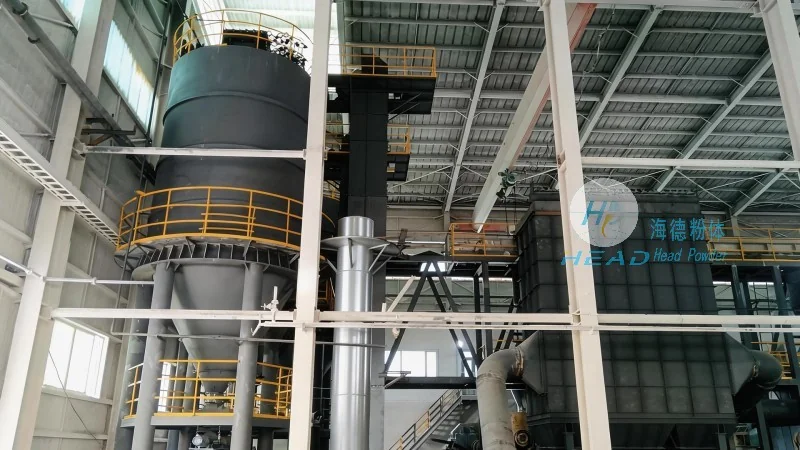
Operational Advantages and Benefits
One of the primary advantages of the PVC negative pressure pneumatic conveying equipment is its ability to handle delicate and sensitive materials without causing agglomeration or particle breakage. The gentle conveying action minimizes product damage, preserving the quality and integrity of the material being transported. This is particularly beneficial for pharmaceuticals, food products, and other applications where product purity is critical. Furthermore, the system offers high efficiency in terms of material throughput, with the ability to transport large volumes of material over considerable distances with minimal energy consumption. The negative pressure design also ensures a closed system, preventing dust emissions and maintaining a clean working environment, which is essential for compliance with environmental regulations.
Application Scope and Industries
The PVC negative pressure pneumatic conveying system is widely applicable across various industries, including chemical manufacturing, pharmaceuticals, food processing, and agricultural processing. In chemical plants, it is used to transport powders such as pigments, catalysts, and reagents, ensuring safe and efficient handling. In the pharmaceutical industry, the system is employed to convey active pharmaceutical ingredients (APIs) and excipients, maintaining stringent hygiene standards. The food processing sector utilizes the equipment for handling powders like flour, sugar, and spices, while the agricultural industry benefits from its ability to transport grain and other bulk materials. The versatility of the system makes it an ideal choice for any application requiring reliable and low-maintenance material transport solutions.
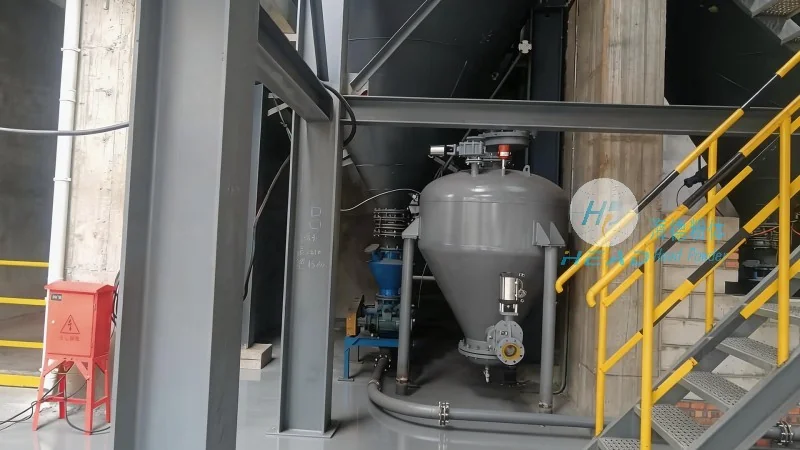
Design Considerations and Customization Options
When designing the PVC negative pressure pneumatic conveying equipment, several factors are considered to ensure optimal performance. The system's layout is tailored to the specific layout of the facility, taking into account the source and destination points of material transport. The selection of components, such as the vacuum pump and PVC tubing, is based on the properties of the material being conveyed, including particle size, density, and moisture content. The company offers customization options to meet unique operational needs, including different pipe diameters, lengths, and control systems. Additionally, the design incorporates safety features, such as pressure relief valves and emergency shut-off mechanisms, to prevent accidents and ensure operator safety. The engineering team at Shandong HeadPowder Engineering Co., Ltd. works closely with clients to develop tailored solutions that address specific challenges and enhance overall process efficiency.