

Principle of Coal Gangue Powder Pneumatic Conveying Equipment
Coal gangue powder, a byproduct of coal mining and processing, presents unique handling challenges due to its fine particle size and potential for dust generation. Pneumatic conveying systems offer an efficient solution for transporting these powders over short to medium distances, ensuring safe and reliable material movement. This article explores the fundamental principles behind such equipment, highlighting its design, operational mechanics, and practical applications, with a focus on solutions provided by Shandong HeadPowder Engineering Co., Ltd. (headpowder).
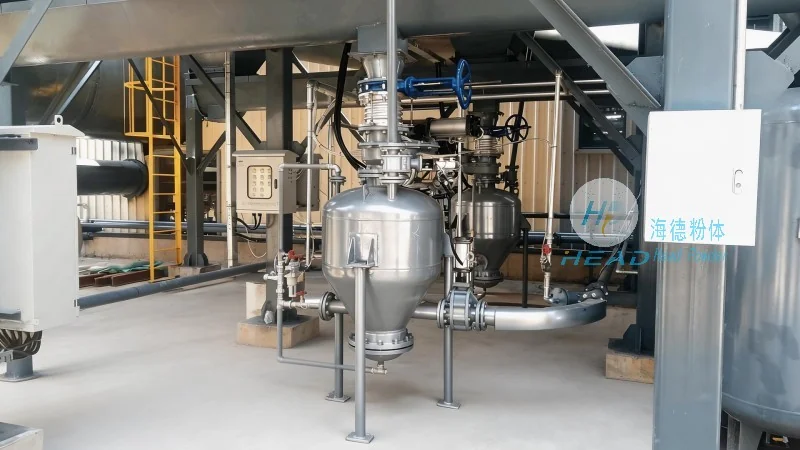
Core Components and Operational Mechanism
The pneumatic conveying system for coal gangue powder typically consists of several key components that work in tandem to facilitate material transport. The primary elements include a hopper for material storage, a feeder to control the flow rate, a conveying line (often equipped with pressure or vacuum systems), and a receiver for the discharged material. The operation generally follows one of two modes: pressure or vacuum conveying.
In pressure conveying, a positive pressure is generated at the discharge end of the system, pushing the material through the pipeline. This method is suitable for short to medium distances (typically up to 100 meters) and is effective for handling dry, free-flowing powders like coal gangue. The system uses a blower or compressor to create the necessary pressure, typically ranging from 0.5 to 1.5 bar, ensuring consistent flow rates and preventing material settling in the pipeline. The pressure system is often preferred for its simplicity and lower maintenance requirements compared to vacuum systems.
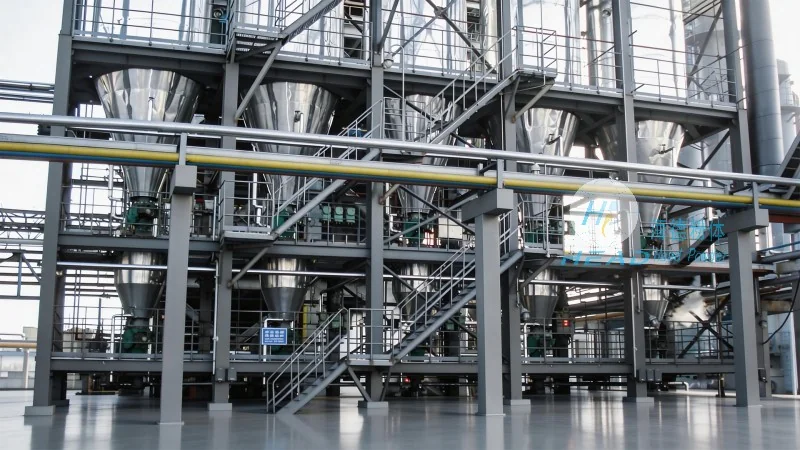
Vacuum conveying, on the other hand, creates a negative pressure at the intake end, drawing the material into the system. This approach is ideal for longer distances (up to several hundred meters) or when the material needs to be transported from multiple sources. The vacuum system typically includes a vacuum pump and a filter to capture any dust particles, maintaining air quality and preventing contamination. The negative pressure is usually maintained at around -0.5 to -1.0 bar, ensuring sufficient suction to move the material through the pipeline. Vacuum systems are particularly useful when the material source is elevated or when multiple feeding points are required.
Technical Advantages and Design Considerations
Coal gangue powder pneumatic conveying equipment offers several advantages over traditional mechanical conveying methods. One of the most significant benefits is the ability to handle fine particles (typically with a particle size of 0.1 to 5 mm) without the need for additional equipment like screw conveyors or bucket elevators. This reduces maintenance costs and improves overall system efficiency, as there are fewer moving parts and less risk of material degradation. Additionally, the enclosed system minimizes dust exposure, enhancing workplace safety and compliance with environmental regulations such as the EPA's standards for particulate matter emissions.
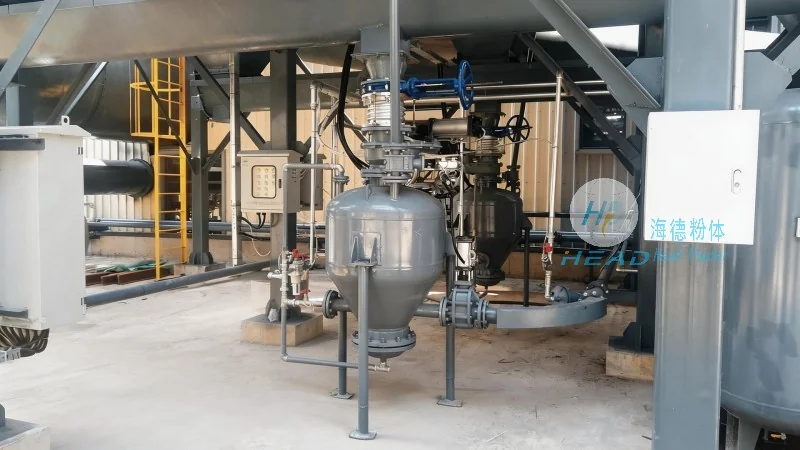
Design considerations for such equipment focus on material compatibility and system reliability. The components, particularly the hopper and conveying line, are often constructed from corrosion-resistant materials like stainless steel or high-density polyethylene to withstand the abrasive nature of coal gangue. The feeder mechanism is designed with anti-clogging features, such as rotary valves or screw feeders, to ensure consistent flow and prevent blockages. The receiver is equipped with dust collection systems, including cyclones or bag filters, to capture fine particles and maintain air quality. These design choices ensure long-term operational stability and reduce downtime, making the system suitable for continuous industrial operations.
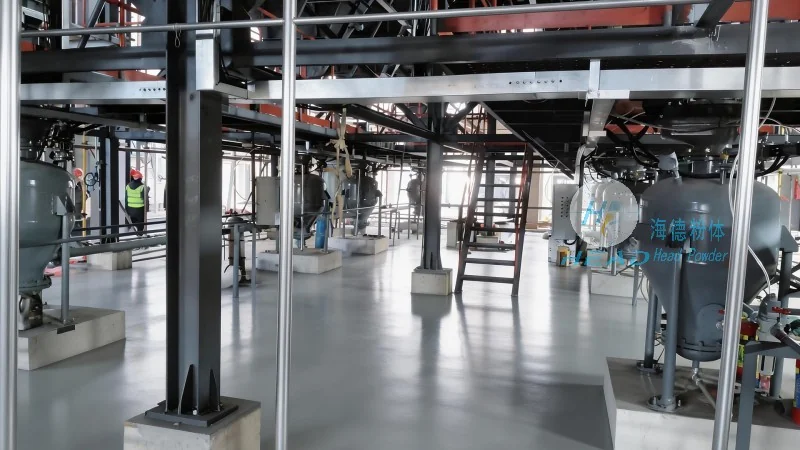
Application Scenarios and Practical Implementation
The versatility of coal gangue powder pneumatic conveying systems makes them suitable for various industrial applications. In coal processing plants, these systems are used to transport gangue from storage silos to processing units or for disposal. For example, in a coal preparation plant, the system can move gangue from the raw material hopper to the washing or screening equipment, ensuring a smooth flow of materials. In power generation facilities, they help move coal gangue to ash handling systems, where it is either used as a fuel or disposed of in landfills. The efficiency of the system reduces the need for manual handling, improving operational safety and reducing labor costs.
In mining operations, the technology is applicable when gangue needs to be transported from extraction sites to disposal areas. The pneumatic conveying system can handle the material over long distances, often in remote locations where traditional conveyors are impractical. The system's ability to operate in harsh environments, with minimal maintenance, makes it ideal for mining applications. Additionally, the system can be integrated with other equipment, such as crushers or grinders, to form a complete material handling solution.