

Principle of Cement and Fly Ash Pneumatic Conveying Equipment
HeadPowder, a leading manufacturer based in Shandong, China, specializes in the design and production of advanced pneumatic conveying systems tailored for the cement and fly ash industries. Our company, Shandong HeadPowder Engineering Co., Ltd., has established itself as a trusted provider of efficient and reliable equipment for material handling in construction and industrial applications.
Overview of Pneumatic Conveying Technology
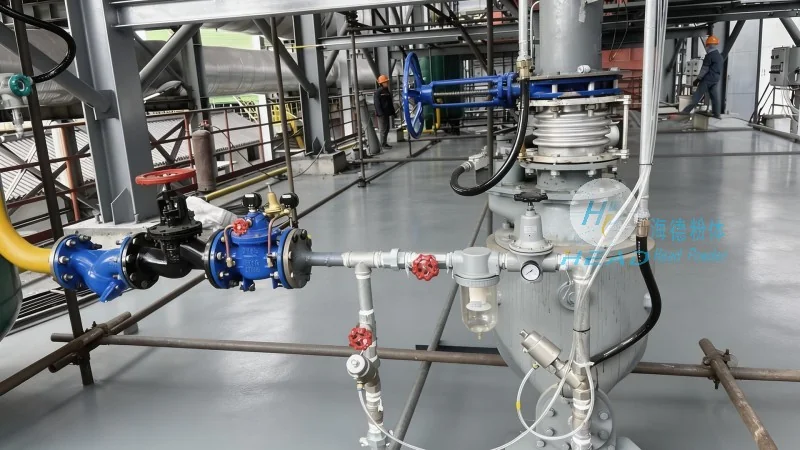
Pneumatic conveying is a method of transporting bulk materials through a pipeline using air or other gas as the conveying medium. This technology is widely adopted in the cement and fly ash sectors due to its ability to handle abrasive and dusty materials with minimal wear and tear on equipment. The core principle involves creating a pressure differential within the pipeline, which propels the material from the source to the destination. Our systems are engineered to optimize this process, ensuring high efficiency and low operational costs.
Key Components and Working Principle
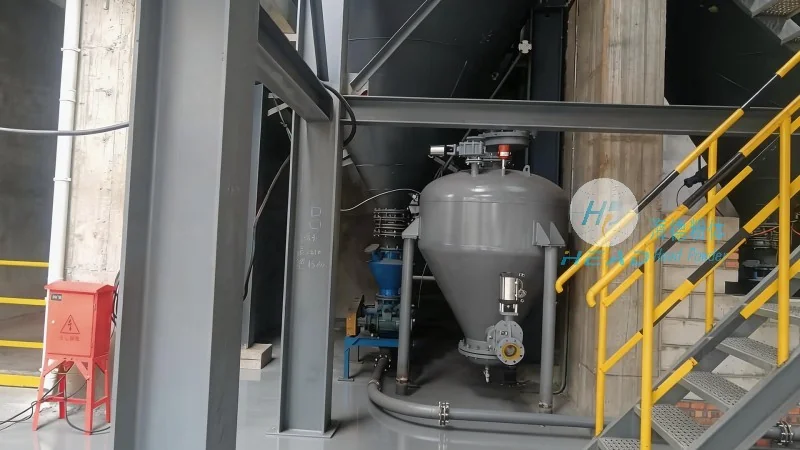
The cement and fly ash pneumatic conveying equipment typically consists of several critical components, each playing a vital role in the overall operation. The system begins with a material hopper or feeder, which stores and feeds the bulk material into the conveying line. A rotary valve or feeder is often used to control the flow rate, ensuring a consistent and controlled discharge of the material. The conveying pipeline, usually made of stainless steel or other corrosion-resistant materials, is designed to withstand the abrasive nature of cement and fly ash particles.
At the heart of the system is the air mover, which can be a positive displacement blower or a rotary lobe blower. This component generates the necessary air pressure to move the material through the pipeline. The air mover is matched to the system's capacity and material characteristics to provide optimal performance. Downstream of the air mover, a filter or cyclone separator is installed to remove the material from the air stream, preventing dust contamination and ensuring compliance with environmental regulations. The separated material is then collected in a receiving hopper or silo, while the clean air is discharged to the atmosphere or recirculated if required.
Advantages of Pneumatic Conveying for Cement and Fly Ash
Implementing pneumatic conveying systems for cement and fly ash offers numerous advantages over traditional mechanical conveying methods. One of the primary benefits is the ability to transport materials over long distances with minimal energy consumption. The enclosed pipeline design also prevents dust dispersion, enhancing workplace safety and reducing environmental impact. Additionally, the system's flexibility allows for easy integration with existing production lines and can be adjusted to handle varying material flow rates and particle sizes.
Another significant advantage is the reduced maintenance requirements compared to mechanical conveyors, as there are fewer moving parts and less wear from abrasive materials. Our equipment is designed with durability in mind, using high-quality materials and robust construction to ensure long-term reliability. The automated control systems integrated into our pneumatic conveying solutions enable precise monitoring and adjustment of the conveying process, further enhancing operational efficiency and reducing downtime.
Application Scenarios and Customization
The cement and fly ash pneumatic conveying equipment from HeadPowder is versatile and can be applied in various industrial settings. Common applications include transporting raw materials from storage silos to production lines, conveying finished products to storage or packaging areas, and handling fly ash from power plants for recycling or disposal. Our systems can be customized to meet specific customer requirements, such as varying pipeline lengths, different material capacities, or integration with existing infrastructure.
For example, in a cement plant, the system may be used to convey raw materials like limestone and clay from the quarry to the grinding mills. In a fly ash handling facility, the equipment can transport the ash from the boiler to the storage silos or for use as a supplementary cementitious material in concrete production. The adaptability of our pneumatic conveying systems makes them suitable for a wide range of industrial processes, ensuring efficient material handling and improved productivity.
Technical Specifications and Performance
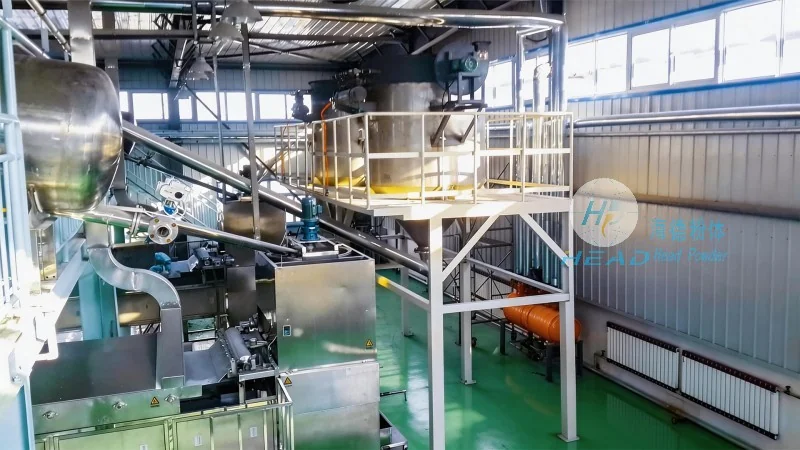
Our cement and fly ash pneumatic conveying equipment is engineered to meet stringent performance standards. The systems are designed to handle material flow rates ranging from low to high capacities, with typical capacities ranging from 1 to 50 tons per hour depending on the specific application. The conveying distance can vary from short distances within a facility to long-distance transport over several kilometers. The air pressure required for operation typically ranges from 0.5 to 1.5 bar, with the exact value determined by the material characteristics, pipeline length, and system configuration.
The equipment is constructed using high-quality materials, such as stainless steel for the pipeline and components exposed to abrasive materials, ensuring long service life and minimal maintenance. The control systems are equipped with advanced sensors and monitoring devices that provide real-time data on system performance, including pressure, flow rate, and material level. This allows for proactive maintenance and optimization of the conveying process, reducing operational costs and maximizing efficiency.
Conclusion
HeadPowder's cement and fly ash pneumatic conveying equipment represents a reliable and efficient solution for material handling in the cement and industrial sectors. By leveraging advanced pneumatic conveying technology, our systems offer superior performance, reduced maintenance, and enhanced safety compared to traditional methods. With a strong commitment to quality and customer satisfaction, Shandong HeadPowder Engineering Co., Ltd. continues to provide innovative solutions tailored to the evolving needs of the industry. Our equipment is designed to meet the highest standards of performance and reliability, ensuring that customers can rely on our systems for long-term operational success.