

Principle of Air-Pneumatic Conveying Equipment for Precipitated Barium Sulfate
Understanding the operational principles of air-pneumatic conveying equipment is crucial for industries dealing with bulk materials like precipitated barium sulfate. This equipment is designed to efficiently transport fine powders over short to medium distances, leveraging the force of compressed air to move material through a pipeline system. The core mechanism involves creating a flow of air that carries the powder particles, ensuring consistent and reliable material transfer without the need for mechanical components like belts or buckets.
Key Components and Their Functions
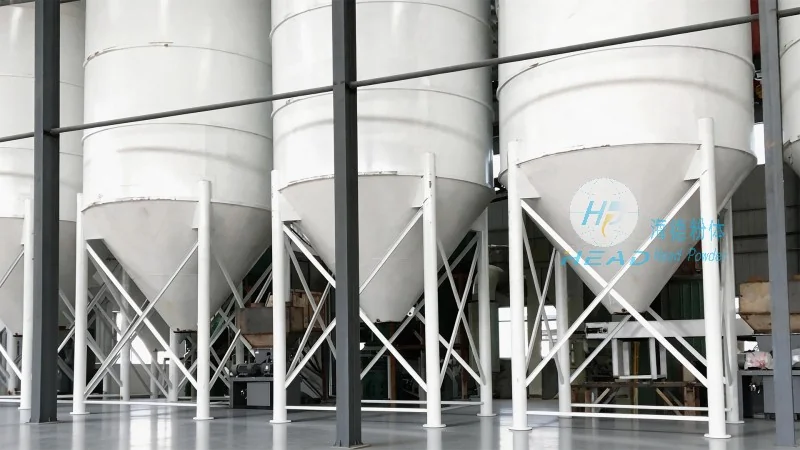
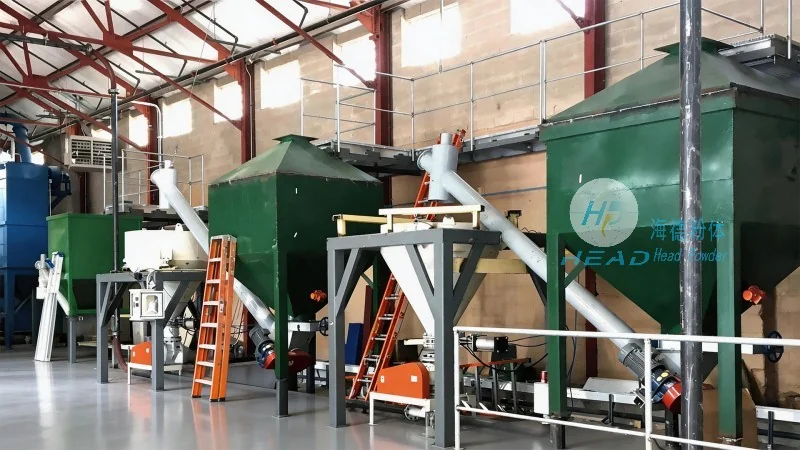
The air-pneumatic conveying system for precipitated barium sulfate typically consists of several critical components, each playing a vital role in the overall operation. The primary components include the material hopper, which serves as the storage and feeding unit, ensuring a steady supply of the powder. The feeder, often a rotary valve or a screw feeder, controls the flow rate of the material into the conveying line, preventing blockages and maintaining uniform particle distribution. The conveying pipeline itself is made of materials resistant to the chemical properties of barium sulfate, such as stainless steel or special plastic liners, to avoid corrosion and material degradation. The air compressor or blower provides the necessary pressure and volume of air to generate the conveying stream. Finally, the receiver or discharge hopper collects the material at the destination, completing the transport cycle.
How the Conveying Process Works
The operation of the air-pneumatic conveying equipment begins with the material being fed from the hopper into the feeder. The feeder regulates the amount of powder entering the pipeline, ensuring a consistent flow. Simultaneously, the air compressor generates a high-pressure air stream that is introduced into the pipeline at the inlet. As the air flows through the pipeline, it creates a low-pressure zone that draws the powder particles into the air stream. The mixture of air and powder travels through the pipeline to the discharge point, where the air is separated from the material. This separation is achieved through a cyclone separator or a filter, which allows the air to exit while the barium sulfate powder is collected in the receiver. The efficiency of this process depends on the air velocity, which must be sufficient to lift and transport the powder particles without causing excessive wear or degradation.
Advantages of Air-Pneumatic Conveying for Precipitated Barium Sulfate
Compared to traditional mechanical conveying methods, air-pneumatic conveying offers several advantages when handling precipitated barium sulfate. One of the most significant benefits is the ability to transport fine powders over longer distances with minimal loss or degradation. The equipment is also relatively simple in design, with fewer moving parts, reducing maintenance requirements and operational costs. Additionally, the system can handle varying material flow rates and particle sizes, making it versatile for different production needs. The enclosed pipeline system prevents dust emissions, improving workplace safety and environmental compliance. Furthermore, the process is energy-efficient, as the air compressor can be optimized to use minimal power while maintaining effective material transport. These advantages make air-pneumatic conveying an ideal solution for industries requiring reliable and cost-effective bulk material handling for precipitated barium sulfate.
Applications in Industrial Settings
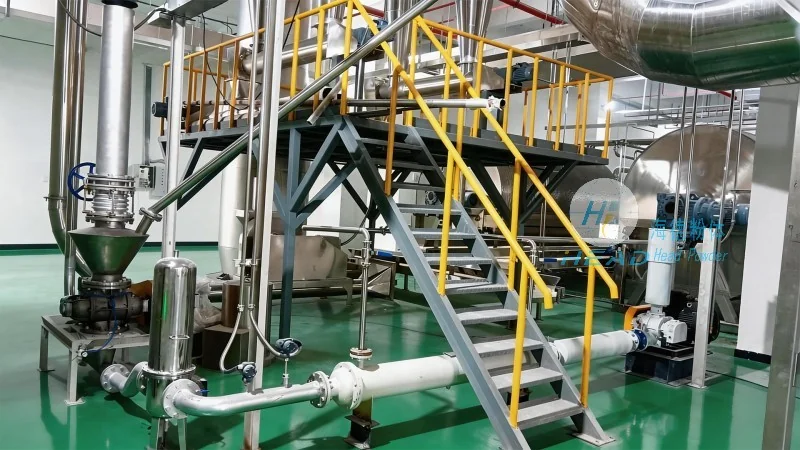
The air-pneumatic conveying equipment for precipitated barium sulfate is widely used in various industrial applications, particularly in the chemical and pharmaceutical sectors. In the chemical industry, it is commonly employed in the production of barium sulfate-based pigments and coatings, where precise control over powder flow is essential. The equipment is also used in the pharmaceutical industry for the transport of fine powders used in drug formulations, ensuring that the material remains sterile and free from contamination. Additionally, in the manufacturing of industrial coatings and inks, the conveying system helps maintain the quality of the barium sulfate powder by preventing agglomeration and ensuring consistent particle size distribution. The versatility of the system allows it to be integrated into existing production lines, enhancing overall operational efficiency and reducing downtime.
Maintenance and Operational Considerations
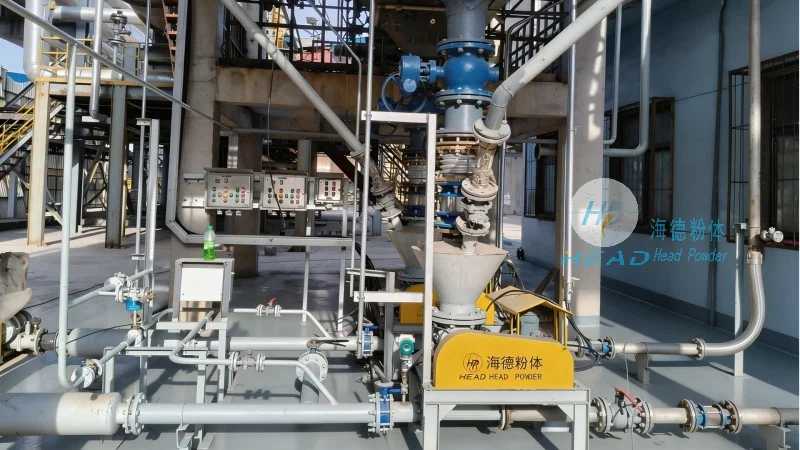
To ensure the optimal performance and longevity of the air-pneumatic conveying equipment, regular maintenance is essential. The material hopper and feeder should be inspected regularly to check for blockages or wear, as these components are critical to maintaining consistent material flow. The conveying pipeline should be checked for any signs of corrosion or damage, especially in areas where the barium sulfate powder may come into contact with the metal surface. The air compressor and blower should be maintained to ensure they operate at the correct pressure and volume, as insufficient air flow can lead to poor conveying efficiency or material buildup. The cyclone separator or filter should be cleaned periodically to prevent clogging, which can reduce the efficiency of the air separation process. Additionally, the system should be monitored for air leaks, as even small leaks can significantly impact the conveying performance. Proper maintenance practices, including regular inspections and timely repairs, help to minimize downtime and extend the operational life of the equipment.
Conclusion
The air-pneumatic conveying equipment for precipitated barium sulfate is a highly effective and efficient solution for bulk material handling in industrial applications. By leveraging the principles of air flow and particle transport, the system provides reliable and consistent material transfer, with advantages over traditional mechanical methods. The equipment is designed to handle fine powders like barium sulfate, ensuring minimal degradation and loss during transport. With proper maintenance and operational considerations, the system can deliver long-term performance, making it a valuable asset for industries relying on the consistent supply of high-quality precipitated barium sulfate. The technology, developed and manufactured by Shandong HeadPowder Engineering Co., Ltd., represents a reliable choice for businesses seeking to optimize their material handling processes.