

Positive Pressure and Negative Pressure Conveying of Latex Powder: A Comparative Analysis of Two Pne
When it comes to transporting latex powder, selecting the right pneumatic conveying method is crucial for efficiency, product integrity, and operational safety. Two primary approaches dominate the industry: positive pressure conveying and negative pressure conveying. This analysis explores the characteristics, advantages, and practical considerations of each method, helping stakeholders make informed decisions tailored to their specific needs.
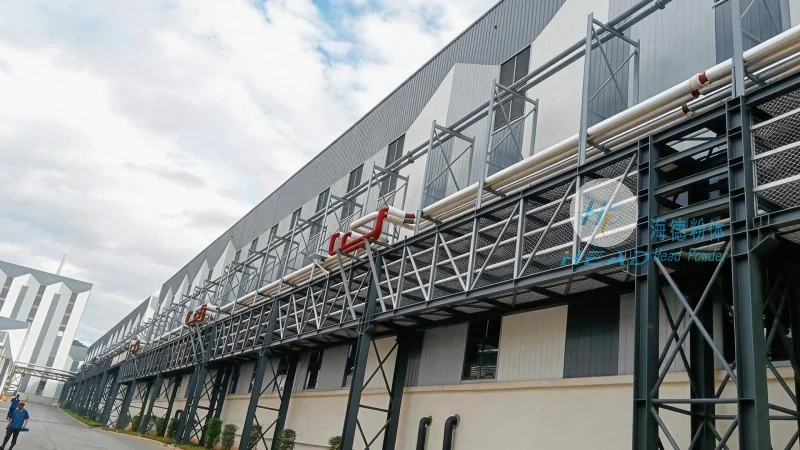
Understanding Positive Pressure Conveying
Positive pressure conveying, also known as pressure pneumatic conveying, operates by blowing air or gas into the material to create a positive pressure within the system. The process involves a blower or compressor that generates pressure, forcing the latex powder through a pipeline to the destination. This method is particularly effective for applications requiring high material flow rates and long-distance transport.
Key advantages of positive pressure systems include high conveying capacity, ability to handle abrasive or sticky materials, and reduced risk of product contamination from external air. The pressurized environment also helps maintain product quality by minimizing exposure to moisture and contaminants. However, these systems may require more robust equipment and higher energy consumption compared to other options.
Exploring Negative Pressure Conveying
Negative pressure conveying, or vacuum pneumatic conveying, works by creating a vacuum in the system to draw the latex powder into the pipeline. A vacuum pump generates the negative pressure, pulling the material from the source to the collection point. This method is often preferred for short-distance transport and when the material is sensitive to pressure or air exposure.
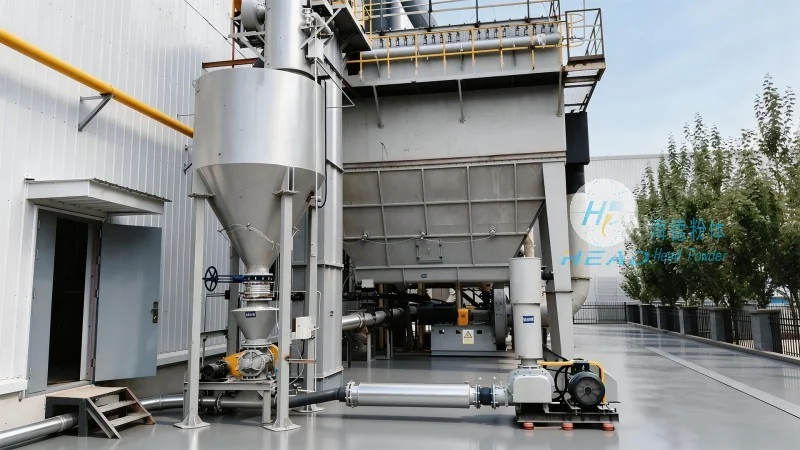
One of the main benefits of negative pressure systems is their lower energy requirements and simpler setup, as they do not need powerful blowers. They are also well-suited for handling fine powders that could be easily entrained in positive pressure systems. However, negative pressure conveying may have limitations in terms of conveying distance and material capacity, and it can be more prone to clogging if the material is too fine or cohesive.
Comparative Analysis: Key Factors to Consider
When comparing positive and negative pressure conveying for latex powder, several critical factors come into play. These include the distance between the source and destination, the material's physical properties (such as particle size, moisture content, and abrasiveness), and the required flow rate. For instance, positive pressure is often the better choice for long-distance transport of bulk latex powder, while negative pressure may be more suitable for short runs or handling delicate powders.
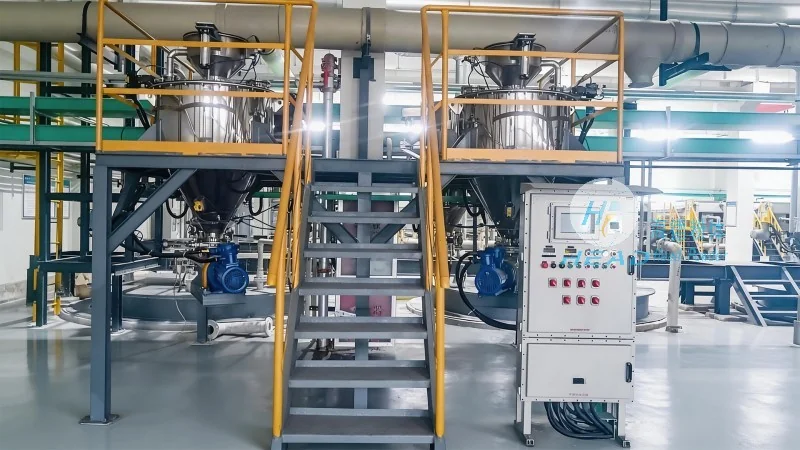
Operational costs are another significant consideration. Positive pressure systems typically consume more energy due to the need for high-pressure blowers, whereas negative pressure systems are more energy-efficient. Maintenance requirements also differ, with positive pressure systems needing regular checks on blower performance and pipeline integrity, while negative pressure systems may require more attention to vacuum pump maintenance and filter systems.
Application Scenarios and Practical Recommendations
For Shandong HeadPowder Engineering Co., Ltd., understanding these differences allows for tailored solutions for clients. For example, a client requiring the transport of large quantities of latex powder over several kilometers would likely benefit from a positive pressure conveying system, leveraging its high capacity and reliability. Conversely, a client handling sensitive latex powders over short distances might opt for a negative pressure system to preserve product quality and reduce energy costs.
It's also important to consider the overall system design, including the use of filters, cyclones, and material handling equipment. Proper system integration ensures smooth operation and minimizes downtime. Shandong HeadPowder Engineering Co., Ltd. specializes in designing and implementing customized pneumatic conveying solutions that address the unique challenges of each application, ensuring optimal performance and efficiency.