

Key Design Considerations for Latex Powder Pneumatic Conveying System Solutions
For businesses in the latex industry, selecting the right pneumatic conveying system is critical to ensuring efficient material handling, minimizing downtime, and maintaining product quality. This article outlines the essential design considerations for latex powder pneumatic conveying systems, providing insights into how professional engineering solutions can optimize operations.
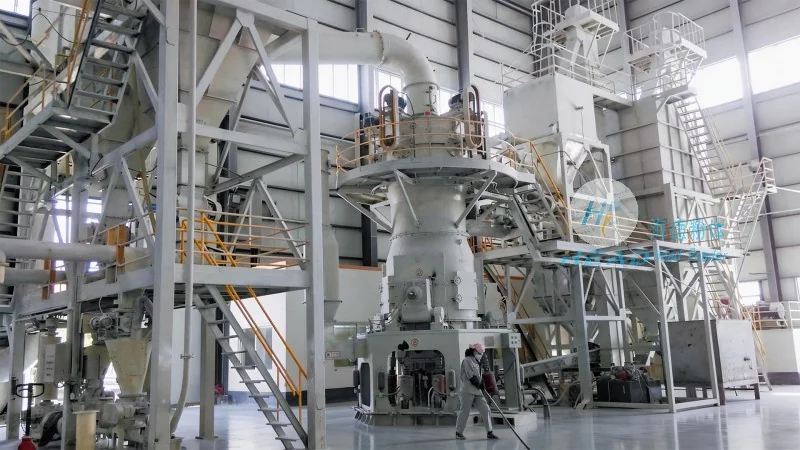
Introduction to Latex Powder Pneumatic Conveying Systems
A pneumatic conveying system for latex powder involves the use of air to transport dry powder materials through a network of pipes and components. Unlike traditional mechanical conveying methods, this approach offers advantages such as reduced contamination risk, lower maintenance requirements, and the ability to handle materials in a closed system, which is vital for maintaining the purity of latex products. The system typically includes a hopper for material storage, a feeder to control the flow rate, a blower or compressor to generate air pressure, and a receiver to collect the conveyed powder. Each component plays a crucial role in the overall efficiency and reliability of the system.
Key Design Considerations for Efficient Latex Powder Handling
Designing an effective latex powder pneumatic conveying system requires careful consideration of several factors. First, the material characteristics of the latex powder must be analyzed, including particle size, density, moisture content, and flowability. These properties directly impact the system's air velocity requirements and the choice of conveying method (e.g., dilute phase or dense phase). For example, fine latex powders may require higher air velocities to prevent clogging, while bulkier particles might benefit from dense phase conveying to reduce wear on components. Additionally, the system's capacity needs to align with production demands, ensuring that the conveying rate matches the output of the latex processing line.
Another critical consideration is the system's pressure and air flow management. The blower or compressor must be sized appropriately to generate sufficient pressure while maintaining energy efficiency. This involves selecting the right type of air mover (e.g., rotary lobe, centrifugal, or positive displacement) based on the specific application. Proper pressure control is essential to prevent overpressurization, which can lead to system failures or material degradation. Furthermore, the system's layout and pipe design are crucial for minimizing pressure drops and ensuring consistent flow. Factors such as pipe diameter, length, and bends all affect the overall performance and must be optimized to maintain the desired conveying efficiency.
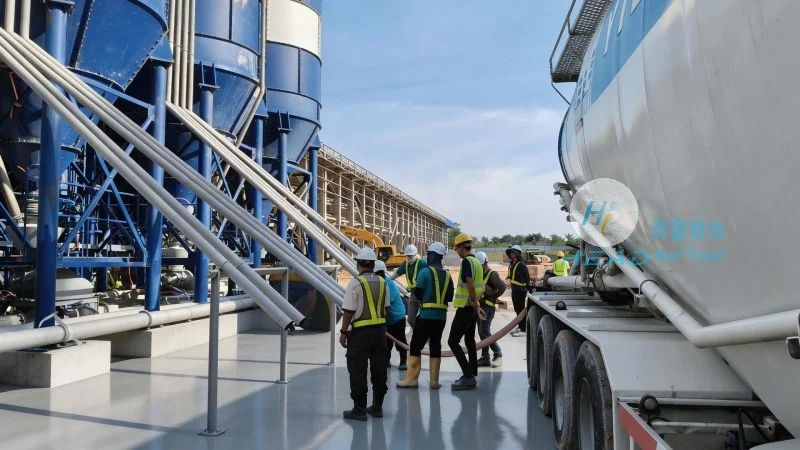
System Components and Their Functional Roles
The effectiveness of a latex powder pneumatic conveying system relies on the proper integration and functionality of its key components. The hopper serves as the primary storage vessel, holding the latex powder before it is fed into the system. It is typically designed with a conical bottom to facilitate smooth material discharge and may include a level indicator to monitor the material inventory. The feeder, often a rotary valve or a screw feeder, controls the flow rate of the latex powder into the system, ensuring a consistent and controlled feed. This component is critical for maintaining stable system operation and preventing surges or blockages.
The blower or compressor is the heart of the system, responsible for generating the air pressure needed to move the latex powder through the pipes. The choice of air mover depends on the system's requirements, such as the conveying distance, material properties, and desired flow rate. For example, a rotary lobe blower is commonly used for dilute phase conveying due to its ability to handle large volumes of air and powder, while a positive displacement compressor may be preferred for dense phase conveying, which requires higher pressure and lower air flow rates. The receiver, located at the end of the conveying line, collects the conveyed latex powder and may include a filter or separator to remove any entrained air or dust.
Application Scenarios and Industry Benefits
Latex powder pneumatic conveying systems are widely used in various industries, including rubber manufacturing, adhesives production, and chemical processing. In rubber manufacturing, these systems are essential for transporting latex powder from storage to processing equipment, such as mixers or extruders. The closed system design helps maintain the purity of the latex, which is critical for producing high-quality rubber products. In adhesives production, the system ensures consistent and clean material handling, reducing the risk of contamination and improving product consistency. The benefits of using a pneumatic conveying system extend beyond efficiency; it also enhances workplace safety by eliminating manual handling of powders and reducing dust exposure.
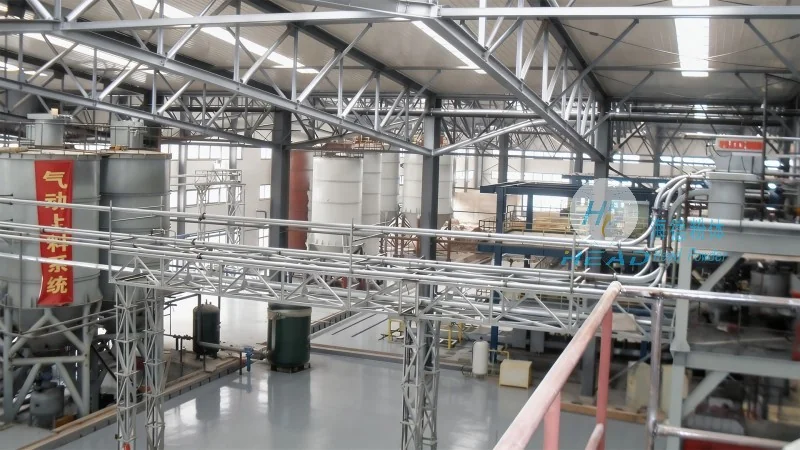
For companies in the latex industry, investing in a well-designed pneumatic conveying system can lead to significant operational improvements. By optimizing material flow and reducing downtime, businesses can increase productivity and reduce costs. The closed system design also helps maintain product quality, which is essential for meeting customer specifications and regulatory requirements. Additionally, the reduced maintenance requirements of pneumatic systems compared to mechanical conveying methods can lower operational expenses over time.
Company Profile and Professional Expertise
Shandong HeadPowder Engineering Co., Ltd., a leading provider of engineering solutions for powder handling systems, specializes in designing and manufacturing latex powder pneumatic conveying systems tailored to the unique needs of the latex industry. With years of experience in the field, the company has developed a deep understanding of the challenges associated with handling latex powders and has developed innovative solutions to address them. The company's team of engineers and technicians work closely with clients to assess their specific requirements and design systems that meet their operational goals. HeadPowder's commitment to quality and customer satisfaction has earned it a reputation as a trusted partner in the industry.
HeadPowder's headquarters is located in Shandong, China, where the company operates a state-of-the-art manufacturing facility equipped with advanced technology and quality control measures. The company's products are designed to meet international standards and are backed by a comprehensive warranty and after-sales support. By choosing HeadPowder as a partner, businesses can benefit from the company's expertise and experience, ensuring that their latex powder pneumatic conveying system is designed and installed to deliver optimal performance and reliability.