

Design Considerations for Micro Silica Powder Pneumatic Conveying System Solutions
HeadPowder, a leading engineering firm based in Shandong, China, specializes in the design and implementation of advanced pneumatic conveying systems tailored for micro silica powder applications. This article outlines key design considerations and solutions for efficient micro silica powder handling, ensuring optimal performance and reliability in industrial settings.
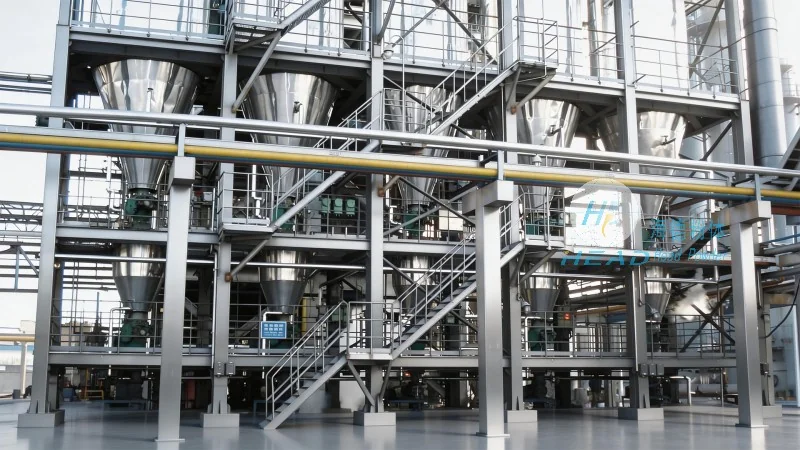
System Overview and Core Components
The micro silica powder pneumatic conveying system is engineered to transport fine powders like micro silica through a pressurized air stream. The system typically comprises several critical components, including a material feeder, air compressor, conveying line, and dust collection equipment. Each component plays a vital role in maintaining the system's efficiency and preventing material degradation or loss.
Key Design Considerations for Optimal Performance
When designing a micro silica powder pneumatic conveying system, several factors must be carefully evaluated to ensure seamless operation and longevity. These considerations include the particle size and flow properties of the micro silica, as well as the required conveying distance and throughput. The selection of the air compressor type—whether positive displacement or centrifugal—directly impacts the system's pressure and flow capacity, which are critical for maintaining consistent material transport.
Another crucial aspect is the choice of conveying line material and diameter. Micro silica particles are prone to abrasion and can cause wear on metal surfaces over time. Therefore, selecting materials like stainless steel or specialized coatings for the conveying line is essential to minimize wear and maintain system integrity. Additionally, the system's pressure control mechanisms, such as pressure regulators and relief valves, are vital for preventing over-pressurization and ensuring safe operation.
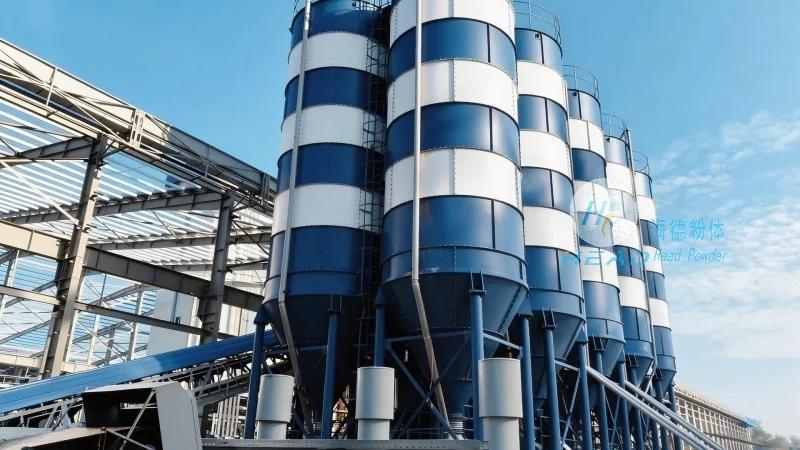
System Configuration and Integration
The configuration of the micro silica powder pneumatic conveying system should align with the specific requirements of the application. For instance, in industrial plants where micro silica is used in concrete production or other manufacturing processes, the system may need to integrate with existing material handling infrastructure. This integration involves coordinating the system's flow rates, pressure levels, and control systems with the plant's overall operational parameters to avoid disruptions.
Furthermore, the inclusion of dust collection and filtration systems is essential to comply with environmental regulations and maintain air quality. These systems capture fine particles that may escape during the conveying process, preventing contamination of the surrounding environment and protecting equipment from clogging. Proper filtration and maintenance of these components are critical to sustaining the system's performance over time.
Application Scenarios and Performance Metrics
Micro silica powder pneumatic conveying systems are widely used in various industries, including construction, chemical manufacturing, and mining. In construction, the system efficiently transports micro silica to concrete mixing plants, where it enhances the strength and durability of concrete. In chemical manufacturing, the system facilitates the handling of micro silica in production lines, ensuring consistent quality and reducing material waste.
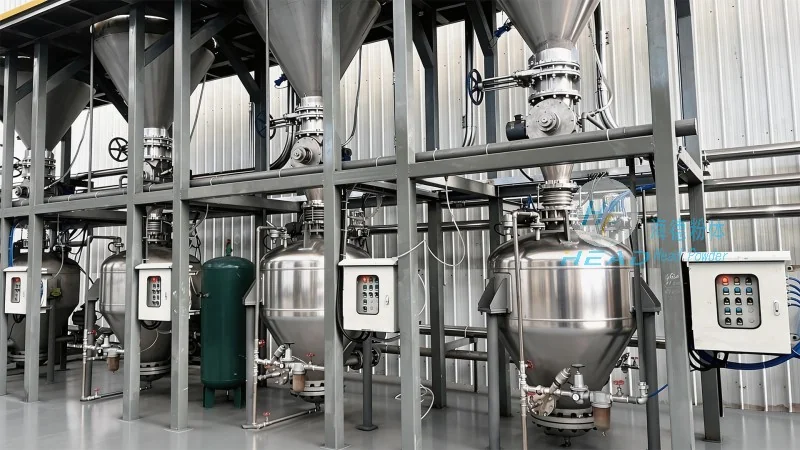
The performance of a well-designed micro silica powder pneumatic conveying system is typically measured by its conveying efficiency, which refers to the ratio of material transported to the total material handled. High-efficiency systems achieve high conveying rates with minimal pressure loss, reducing energy consumption and operational costs. Additionally, the system's reliability, measured by its uptime and ability to handle varying material conditions, is a key indicator of successful design and implementation.
Technical Advantages and Future Considerations
Advanced micro silica powder pneumatic conveying systems offer several technical advantages, including reduced labor costs, minimized material spillage, and improved safety compared to traditional manual handling methods. The use of automated control systems allows for precise regulation of the conveying process, enhancing consistency and reducing human error. As technology advances, there is a growing focus on integrating smart sensors and data analytics into these systems to optimize performance and predict maintenance needs.
Future considerations for micro silica powder pneumatic conveying systems include the development of more energy-efficient air compressors and the exploration of alternative materials for conveying lines that offer even better resistance to wear and corrosion. Additionally, the integration of sustainable practices, such as using recycled materials in system construction and minimizing energy consumption, is becoming increasingly important in modern industrial applications.