

Design Considerations for Bread Flour Pneumatic Conveying System Solutions
For businesses in the bakery and food processing industry, the efficient and reliable handling of bread flour is a critical operational requirement. Proper material handling systems not only enhance production throughput but also ensure product quality and safety. This article explores key design considerations for bread flour pneumatic conveying systems, presented by Shandong HeadPowder Engineering Co., Ltd., a leading provider of engineering solutions for the food industry.
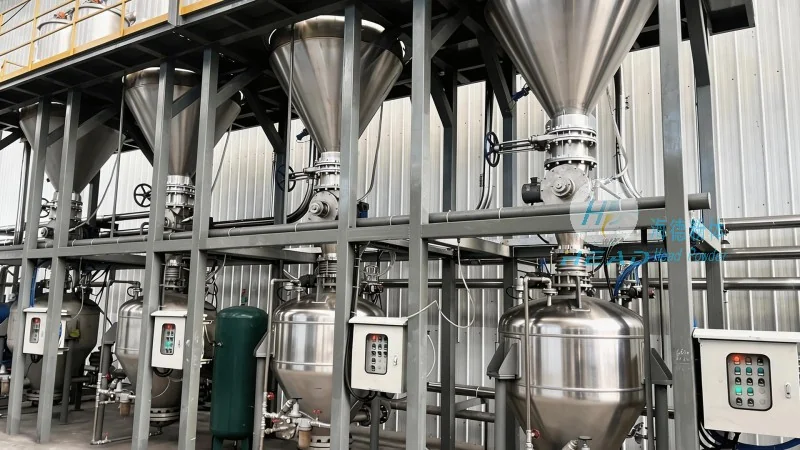
Understanding the Challenges of Bread Flour Handling
Bread flour, with its fine particle size and tendency to clump or form agglomerates, presents unique challenges during material transport. Traditional gravity or mechanical conveying methods often lead to material degradation, increased downtime, and higher maintenance costs. Pneumatic conveying systems offer a solution by utilizing air to move flour in a controlled manner, minimizing product exposure to contaminants and preserving its quality. However, the success of such systems depends heavily on careful design and implementation.
Key Design Considerations for Bread Flour Pneumatic Conveying
When designing a pneumatic conveying system for bread flour, several factors must be considered to ensure optimal performance and longevity. The first critical decision is the type of system: positive pressure or negative pressure. Positive pressure systems, where air is forced through the system, are ideal for long-distance transport and can handle more challenging materials like flour, as they provide consistent air flow and prevent material backflow. Negative pressure systems, on the other hand, are better suited for short distances and applications where dust control is paramount. For bread flour, a positive pressure system is generally recommended due to its ability to maintain a positive pressure environment, reducing the risk of contamination from external sources.
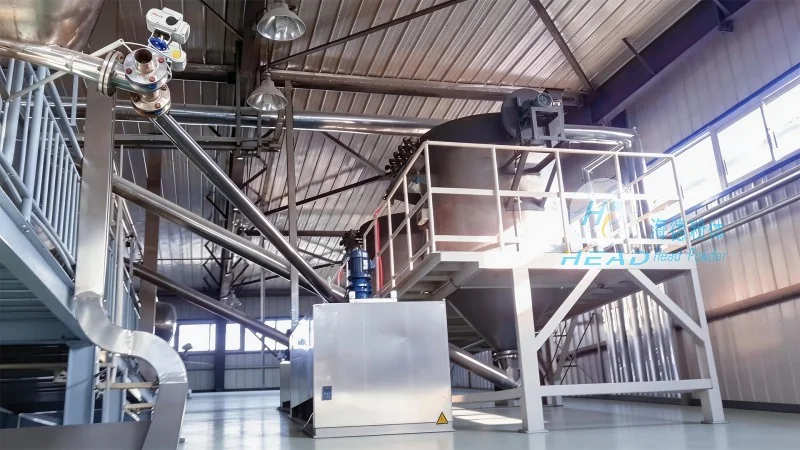
Another crucial aspect is the selection of equipment components. The hopper or feeder is the starting point of the system, responsible for feeding flour into the conveying line. For fine powders like bread flour, a rotary valve or a screw feeder is often used to provide a controlled, continuous flow. These components must be designed to prevent material bridging or clogging, which can disrupt the entire system. Additionally, the material of construction is vital; stainless steel or food-grade materials are preferred to avoid contamination and ensure compliance with food safety regulations.
The pipeline design is another key factor. The diameter and length of the pipeline directly impact the system's efficiency. Larger diameter pipes reduce pressure drop and energy consumption, making them more suitable for longer conveying distances. However, they also increase material storage capacity, which may not be ideal for high-speed production lines. The choice of pipeline material, such as stainless steel or PVC, depends on the specific application and the need for corrosion resistance or ease of cleaning.
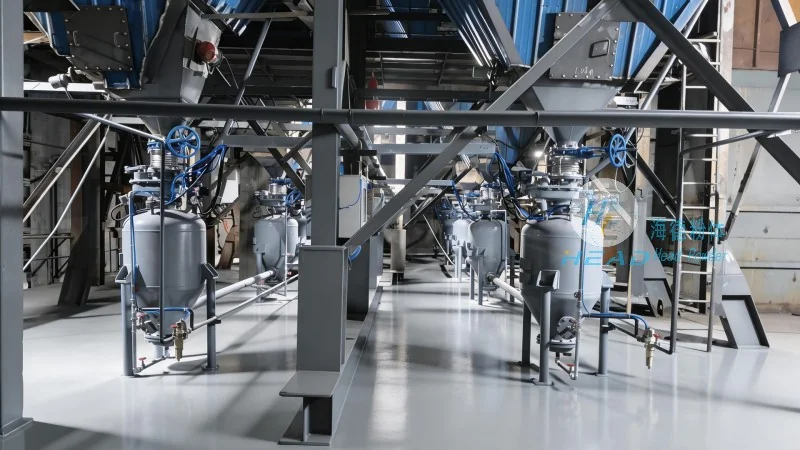
Control and monitoring systems are essential for maintaining system performance. Modern pneumatic conveying systems often include sensors to monitor air pressure, flow rate, and material level. These sensors provide real-time data, allowing operators to detect and address issues promptly. Automated control systems can adjust air pressure and flow rates based on production demands, optimizing energy use and preventing overloading. Safety features, such as pressure relief valves and emergency shut-off mechanisms, are also critical to protect both personnel and equipment.

Material Handling Best Practices for Bread Flour
Proper maintenance and operational practices are equally important to the success of a pneumatic conveying system. Regular cleaning of the system, especially after product changes or at the end of a shift, is necessary to prevent cross-contamination and maintain hygiene standards. The use of filters and cyclones to separate flour from air is essential to protect downstream equipment and ensure clean air discharge. Additionally, monitoring for signs of wear and tear, such as increased pressure drop or reduced flow, can help identify potential issues before they lead to system failure.
Conclusion: Partnering with HeadPowder for Reliable Solutions
Designing an effective pneumatic conveying system for bread flour requires a deep understanding of both the material properties and the operational needs of the bakery. Shandong HeadPowder Engineering Co., Ltd. specializes in providing customized solutions tailored to these specific requirements. By considering factors such as system type, equipment selection, and control strategies, businesses can achieve efficient, safe, and cost-effective flour handling. With a focus on quality and customer satisfaction, HeadPowder offers comprehensive engineering services, from system design and installation to maintenance and support, ensuring that clients receive the best possible solution for their bread flour conveying needs.