

Design Considerations for Dry Lime Pneumatic Conveying System Solutions
When designing a dry lime pneumatic conveying system, several critical factors must be considered to ensure efficient operation, reliability, and cost-effectiveness. The system's performance is directly influenced by the selection of components, material properties, and operational parameters. This article outlines key design considerations for such systems, focusing on the technical and practical aspects that engineers and project managers should evaluate.
System Overview and Core Components
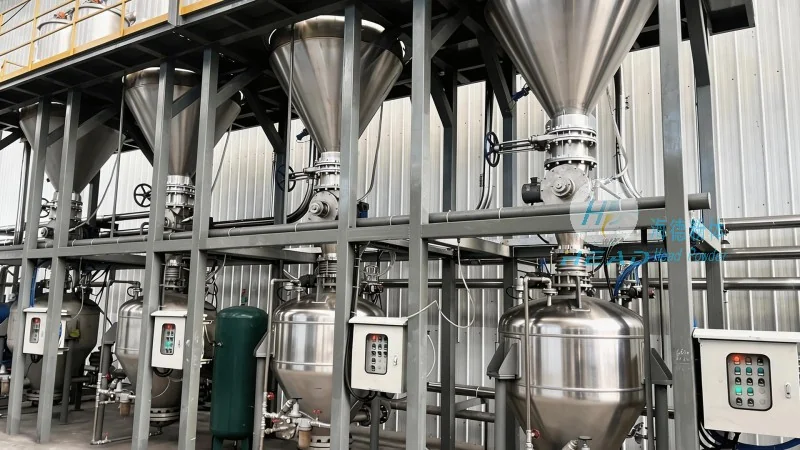
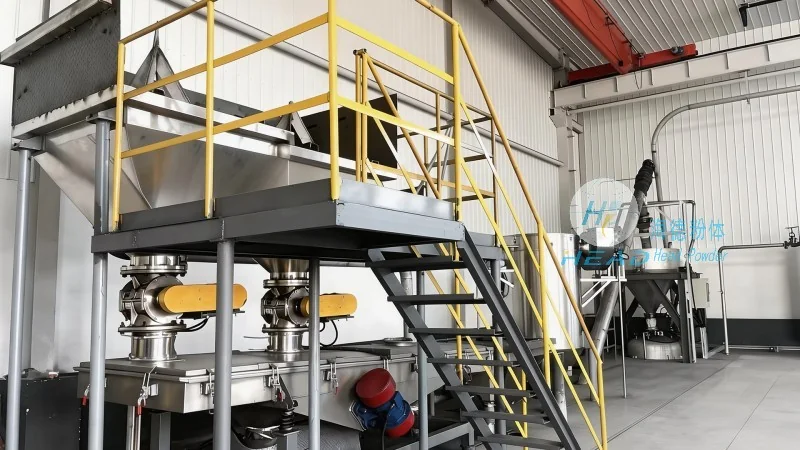
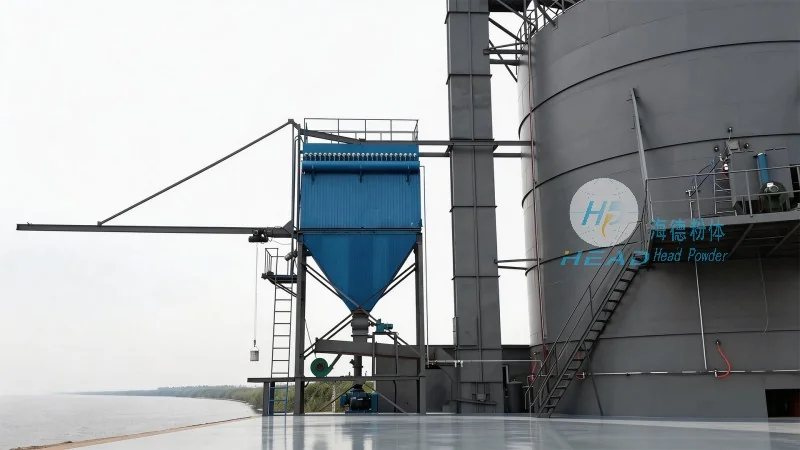
A dry lime pneumatic conveying system typically consists of several key components, including a material feeder, a conveying pipeline, a dust collector, and a control system. The material feeder is responsible for accurately feeding dry lime into the system, ensuring a consistent flow rate. The conveying pipeline, often made of stainless steel or other corrosion-resistant materials, transports the lime particles through the system. A dust collector is essential to capture and remove airborne particles, maintaining air quality and preventing material loss. The control system manages the operation of the feeder, pipeline, and dust collector, ensuring smooth and safe operation.
Material Properties and Handling Considerations
Dry lime is a fine, powdery material with specific physical and chemical properties that impact system design. Its particle size, density, and moisture content are crucial factors. For example, finer particles may require higher air velocities to maintain suspension, while higher moisture content can lead to agglomeration, affecting flow characteristics. Engineers must conduct thorough material testing to determine these properties and select appropriate equipment. Additionally, the chemical reactivity of lime, especially when exposed to air or moisture, necessitates corrosion-resistant materials for the conveying system to prevent degradation and ensure longevity.
Conveying Technology Selection
The choice of conveying technology—such as pressure or vacuum systems—depends on the application requirements and system layout. Pressure systems use compressed air to push material through the pipeline, suitable for long-distance or high-pressure applications. Vacuum systems, on the other hand, use suction to draw material, ideal for short distances or when material needs to be collected from multiple sources. The selection also considers the system's energy efficiency and maintenance requirements. For dry lime, pressure systems are often preferred due to their ability to handle fine particles and maintain consistent flow rates, reducing the risk of blockages or material degradation.
Design for Efficiency and Reliability
Efficiency and reliability are paramount in dry lime pneumatic conveying systems. Design considerations include optimizing air velocity to prevent particle settling, ensuring proper pipeline sizing to minimize pressure drop, and implementing effective dust control measures. Regular maintenance and monitoring are also critical to prevent system failures. For instance, the use of inline filters and regular cleaning of the dust collector can extend the system's lifespan and reduce operational costs. Additionally, redundancy in key components, such as the feeder or control system, can enhance system reliability, minimizing downtime and ensuring continuous operation.
Application-Specific Design Considerations
Different industrial applications may require tailored design approaches. For example, in power plants, dry lime is used for flue gas desulfurization, where the system must handle large volumes of material and operate under high temperatures. In such cases, the system design may include additional features like temperature-resistant materials and enhanced dust collection to meet environmental regulations. Similarly, in water treatment facilities, the system may need to handle lime in conjunction with other chemicals, requiring compatibility testing and specialized equipment to prevent reactions that could damage the system.
Environmental and Safety Considerations
Environmental and safety regulations play a significant role in the design of dry lime pneumatic conveying systems. The system must comply with local and international standards for air quality and material handling. Dust emission control is a key aspect, as excessive airborne particles can lead to environmental violations and health risks. Proper ventilation and filtration systems are essential to maintain safe working conditions. Additionally, the system should include safety features such as emergency shut-off valves and pressure relief devices to prevent accidents and protect personnel. Compliance with these regulations not only ensures legal adherence but also enhances the system's reputation and operational sustainability.
Integration with Existing Infrastructure
When integrating a new dry lime pneumatic conveying system with existing industrial infrastructure, careful planning is required. The system must be compatible with the existing layout, power supply, and material handling processes. This may involve modifying existing pipelines, adjusting the feeder's capacity, or reconfiguring the control system. Engineers must conduct a thorough site assessment to identify potential challenges and develop a comprehensive integration plan. Successful integration ensures that the new system operates seamlessly with the existing operations, minimizing disruptions and maximizing efficiency.
Cost and Maintenance Considerations
The total cost of ownership (TCO) is a critical factor in the design and selection of a dry lime pneumatic conveying system. This includes initial capital costs, operational costs (such as energy consumption and maintenance), and long-term maintenance expenses. Engineers must evaluate the cost-effectiveness of different materials and components, balancing initial investment with long-term savings. For example, using corrosion-resistant materials may increase initial costs but reduce maintenance and replacement costs over time. Regular maintenance schedules and preventive measures are essential to minimize downtime and extend the system's lifespan. Additionally, the availability of spare parts and technical support from the manufacturer should be considered to ensure quick resolution of any issues that may arise.