

What is Monosodium Glutamate Pneumatic Conveying? An Introduction to the Working Principle of Powder
For industries dealing with bulk powders, such as the food processing sector, efficient and reliable material transport is crucial. Among the various methods available, pneumatic conveying stands out as a versatile solution for transporting materials like monosodium glutamate (MSG) from one location to another. This article delves into the concept of monosodium glutamate pneumatic conveying, explaining how these systems operate and the benefits they offer in industrial applications.
The Working Principle of Pneumatic Conveying Systems
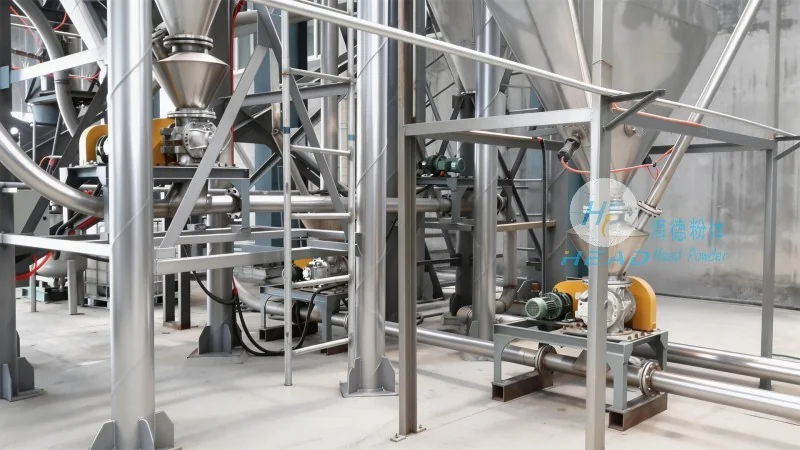
Pneumatic conveying systems utilize air or gas to transport solid particles through a pipeline. In the case of monosodium glutamate, which is a fine powder, the system typically operates under positive pressure or negative pressure, depending on the specific design and application requirements. The core components of a typical pneumatic conveying system include a hopper for material storage, a conveyor line (usually made of stainless steel to prevent contamination), a blower or compressor to generate the air flow, and a receiver or discharge point where the material is deposited.
The process begins with the monosodium glutamate being fed into the hopper. From there, the material is drawn into the conveyor line by the air flow generated by the blower. The air velocity is carefully controlled to ensure that the powder particles are carried along without causing excessive wear or degradation. The system may use different types of conveying, such as dilute phase or dense phase, depending on the particle size, flow rate, and distance to be covered. Dilute phase systems use higher air velocities to transport the powder in a suspended state, while dense phase systems use lower velocities and higher pressure to move the material in a more compact form, reducing the risk of particle degradation and ensuring a more controlled discharge.
Key Components and Their Roles in Monosodium Glutamate Pneumatic Conveying
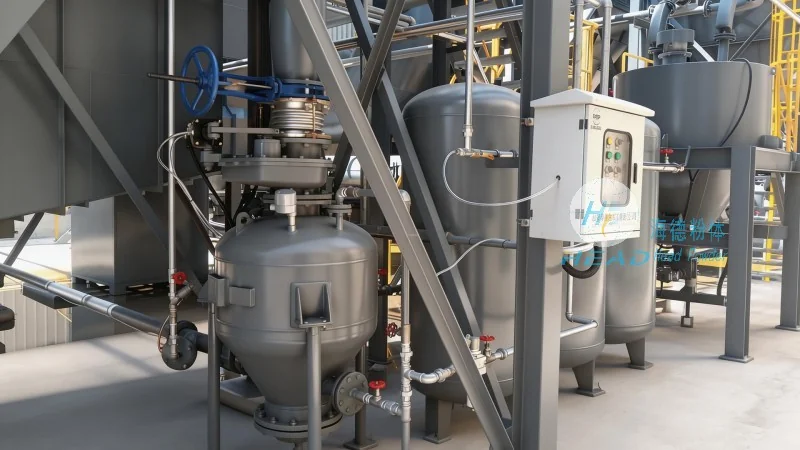
Each component of the pneumatic conveying system plays a vital role in ensuring efficient and safe transport of monosodium glutamate. The hopper, often equipped with a rotary valve or feeder, controls the flow of material into the system, preventing blockages and maintaining a consistent feed rate. The conveyor line, typically made of stainless steel or other corrosion-resistant materials, is designed to withstand the abrasive nature of the powder and to prevent contamination, which is critical in food processing applications. The blower or compressor provides the necessary air pressure and flow rate to move the material through the pipeline. The receiver or discharge point is where the monosodium glutamate is collected, often with a dust collection system to ensure environmental compliance and product purity.
Benefits of Using Pneumatic Conveying for Monosodium Glutamate
Implementing a pneumatic conveying system for monosodium glutamate offers several advantages over traditional methods like belt conveyors or bucket elevators. First, it provides a closed system, which minimizes dust emissions and prevents contamination from external sources, ensuring product quality and safety. Second, pneumatic conveying systems are highly flexible, allowing for changes in the layout or direction of the conveyor line without major modifications. Third, they can handle a wide range of particle sizes and flow rates, making them suitable for various production scales. Additionally, these systems are relatively easy to install and maintain, reducing downtime and operational costs.
Applications in the Food Processing Industry
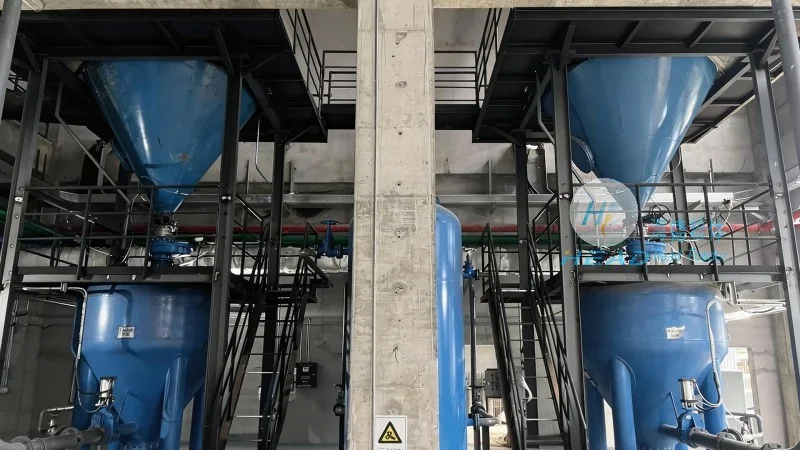
In the food processing industry, monosodium glutamate is commonly used as a flavor enhancer in various products. The pneumatic conveying systems used for its transport must meet stringent hygiene and safety standards. The stainless steel construction of the components, along with the ability to clean and sanitize the system, ensures that the product remains free from contaminants. This is particularly important in the production of food products, where quality and safety are paramount. The systems are also used in other industries, such as pharmaceuticals and chemicals, where the transport of fine powders requires a high degree of precision and control.
Conclusion
Monosodium glutamate pneumatic conveying is a reliable and efficient method for transporting fine powders in industrial settings. By understanding the working principles and key components of these systems, industries can make informed decisions about implementing such solutions to enhance their material handling processes. The benefits of closed systems, flexibility, and hygiene compliance make pneumatic conveying an attractive option for companies dealing with monosodium glutamate and other similar powders. As technology advances, these systems continue to evolve, offering even more efficient and sustainable solutions for bulk powder transport.