

[Zircon Sand Pneumatic Conveying Design Calculation and Equipment Selection]
For industrial applications involving zircon sand, the efficient and reliable transportation of this material is crucial. Zircon sand, a key component in various manufacturing processes, requires specialized handling methods to ensure optimal performance and minimize operational challenges. This article focuses on the design calculation and equipment selection for pneumatic conveying systems tailored to zircon sand, providing insights into the technical aspects and practical considerations for engineers and industry professionals.
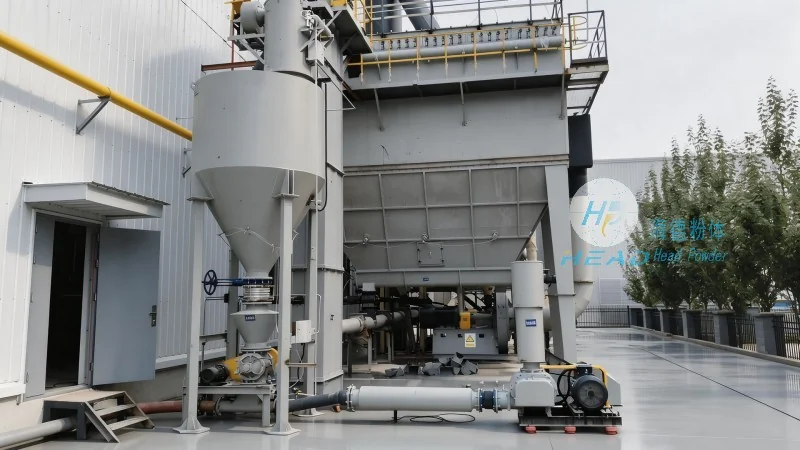
Zircon Sand Pneumatic Conveying: Core Design Considerations
The design of a pneumatic conveying system for zircon sand begins with a thorough analysis of material properties and operational requirements. Zircon sand typically exhibits characteristics such as particle size distribution, density, and flowability, which directly impact the selection of conveying velocity, pressure, and system configuration. Engineers must consider factors like the sand's moisture content, abrasiveness, and potential for dust generation to ensure the system can handle these challenges effectively. The design process involves calculating the required air velocity and pressure to achieve stable, low-pressure or high-pressure conveying, depending on the application's needs. Key parameters include the material's bulk density, particle size, and the desired conveying distance, all of which are critical in determining the system's performance and efficiency.
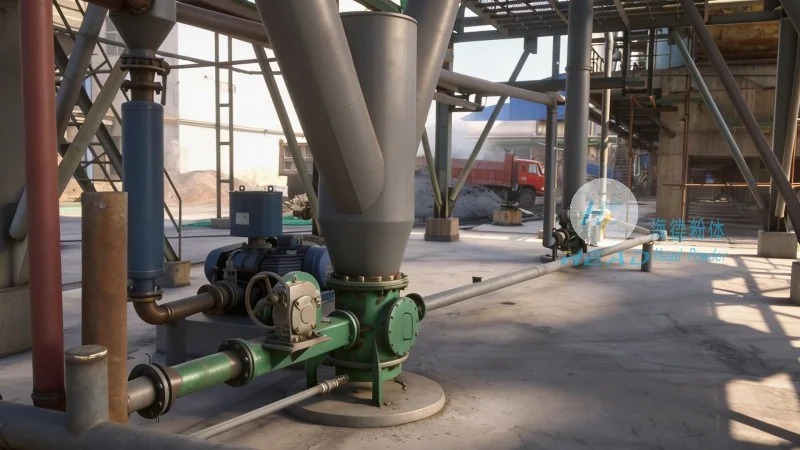
Equipment Selection for Zircon Sand Pneumatic Conveying
When selecting equipment for zircon sand pneumatic conveying, several components are essential to ensure system reliability and performance. The primary equipment includes the material feeder, which must handle the sand's flow characteristics without clogging or degradation. For zircon sand, a screw feeder or rotary valve is often preferred due to their ability to handle abrasive materials and maintain consistent feed rates. The conveying line itself, typically made of stainless steel or other corrosion-resistant materials, is designed to withstand the sand's abrasive nature and prevent wear over time. Air compressors and blower systems are critical for generating the necessary pressure and airflow, with options ranging from positive displacement blowers to centrifugal fans, depending on the system's pressure requirements. Additionally, separation and collection equipment, such as cyclones or filters, are necessary to remove the sand from the air stream and prevent dust emissions, ensuring compliance with environmental regulations.
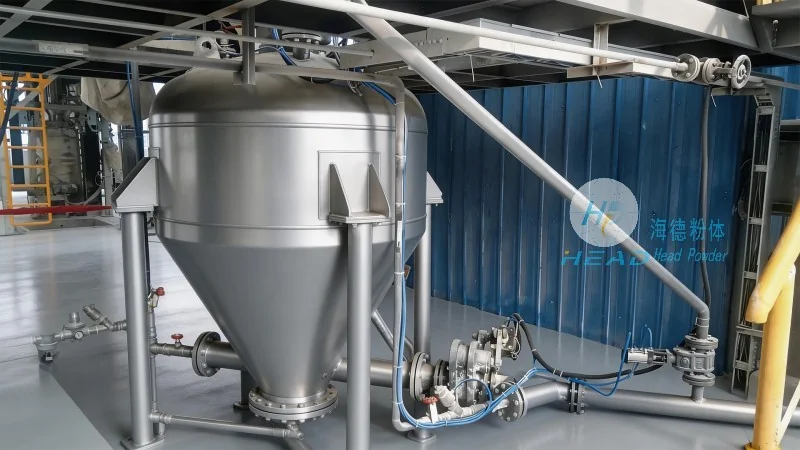
Design Calculation Process for Zircon Sand Conveying Systems
The design calculation process for zircon sand pneumatic conveying involves a systematic approach to determine the optimal system parameters. Engineers start by analyzing the material's physical properties, including particle size distribution, bulk density, and flowability. This data is used to calculate the required air velocity and pressure to achieve stable conveying. The calculation considers the conveying distance, elevation changes, and any bends or fittings in the system, as these factors affect the pressure drop and energy consumption. The system's capacity is determined based on the desired throughput, which is influenced by the application's production rate and the sand's handling requirements. The selection of equipment, such as the feeder and air compressor, is based on these calculated parameters to ensure the system operates efficiently and within the specified performance limits. Regular testing and validation of the design are also essential to confirm that the system meets the operational requirements and can handle variations in material properties.
Application of Pneumatic Conveying in Zircon Sand Processing
Zircon sand pneumatic conveying is widely used in various industrial applications, including the production of zirconia, ceramics, and refractory materials. The system's ability to transport zircon sand efficiently and safely is vital in these processes, as it ensures consistent material supply to downstream equipment. In ceramic manufacturing, for example, the pneumatic conveying system delivers zircon sand to mixers and kilns, maintaining the quality and consistency of the final product. The reliability of the system is critical in these applications, as any disruptions can lead to production delays or quality issues. Additionally, the system's design allows for easy integration with existing processing lines, minimizing downtime during installation and operation. The use of pneumatic conveying also reduces the risk of material contamination and improves workplace safety by eliminating manual handling of zircon sand.
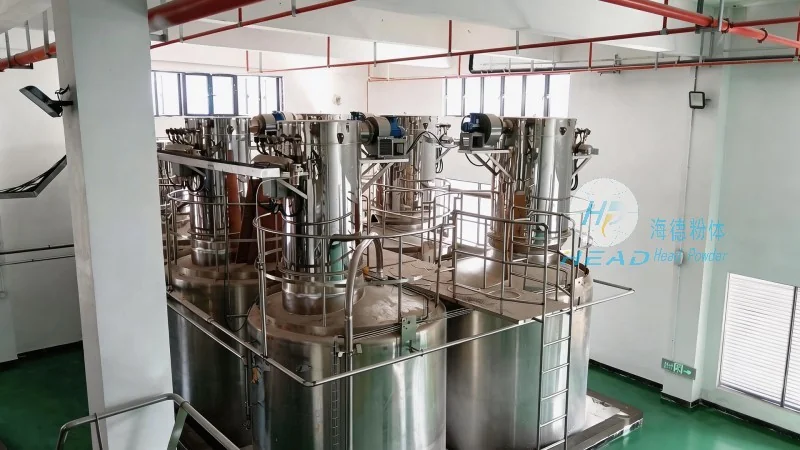
Conclusion and Recommendations
In conclusion, the design calculation and equipment selection for zircon sand pneumatic conveying are critical to achieving efficient and reliable material handling in industrial applications. By carefully analyzing material properties and operational requirements, engineers can design a system that meets the specific needs of the application. The selection of appropriate equipment, such as feeders, conveying lines, and air compressors, ensures the system operates at optimal performance levels. Regular maintenance and monitoring of the system are essential to maintain its efficiency and longevity. For industries dealing with zircon sand, investing in a well-designed pneumatic conveying system is a strategic decision that enhances productivity, reduces operational costs, and ensures compliance with environmental regulations. As a leading provider in this field, Shandong HeadPowder Engineering Co., Ltd. offers expertise and solutions tailored to the unique challenges of zircon sand handling, helping clients achieve their operational goals with precision and reliability.