

Design of a Pneumatic Conveying System for Sand Particles
Shandong HeadPowder Engineering Co., Ltd., a leading provider in the field of material handling solutions, specializes in the design and implementation of advanced pneumatic conveying systems. This document outlines the key aspects of a pneumatic conveying system specifically engineered for the efficient transport of sand particles. The system is tailored to meet the unique challenges associated with sand handling, ensuring reliable operation and optimal performance in industrial applications.
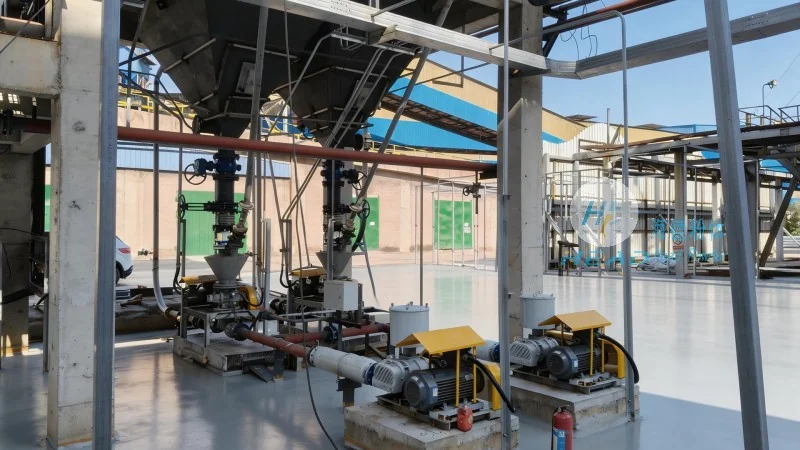
Pneumatic Conveying System Overview
A pneumatic conveying system uses pressurized air or vacuum to move bulk materials like sand particles through a pipeline. The design for sand particles requires careful consideration of particle size, density, and flow characteristics to ensure smooth and continuous transport. The system typically includes components such as a hopper, feeder, air compressor, and conveying line, all integrated to create a seamless material transport process.
Key Design Considerations for Sand Particles
When designing a pneumatic conveying system for sand particles, several critical factors must be addressed. First, the particle size distribution and moisture content of the sand are crucial. Coarser or wetter sand may require higher air velocities or specialized equipment to prevent blockages. The system's pressure and flow rates are calculated based on these characteristics to maintain consistent material movement. Additionally, the material's abrasiveness must be considered, as sand can be highly abrasive to conveying components, necessitating durable materials like stainless steel or specialized coatings for the pipeline and components.
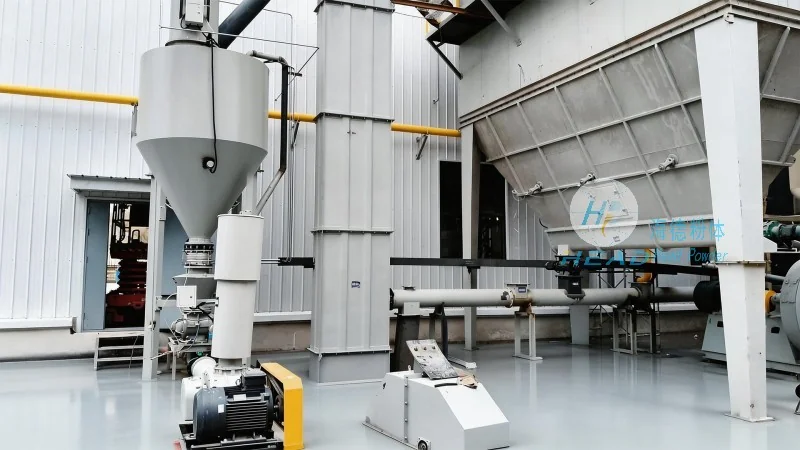
System Components and Their Functions
The pneumatic conveying system for sand particles consists of several essential components, each playing a vital role in the overall operation. The hopper serves as the storage and feeding unit, ensuring a steady supply of sand to the system. The feeder, often a rotary valve or screw feeder, controls the flow rate of sand into the conveying line, preventing overloading and maintaining consistent pressure. The air compressor generates the necessary pressure or vacuum to move the sand particles through the pipeline. The conveying line, typically made of stainless steel or other corrosion-resistant materials, transports the sand from the source to the destination. The system may also include a filter and separator to remove air from the material stream and collect any fine particles, ensuring clean and efficient operation.
Advantages of the Pneumatic Conveying System
Implementing a pneumatic conveying system for sand particles offers numerous advantages over traditional methods like belt conveyors or bucket elevators. The system provides a closed-loop transport process, minimizing dust emissions and environmental impact. It also allows for flexible routing, as the pipeline can be easily reconfigured to accommodate changes in production or layout. The system is also highly efficient, with minimal energy loss and the ability to transport materials over long distances without the need for multiple transfer points. Furthermore, the enclosed design reduces the risk of material contamination and improves workplace safety by eliminating manual handling of sand.
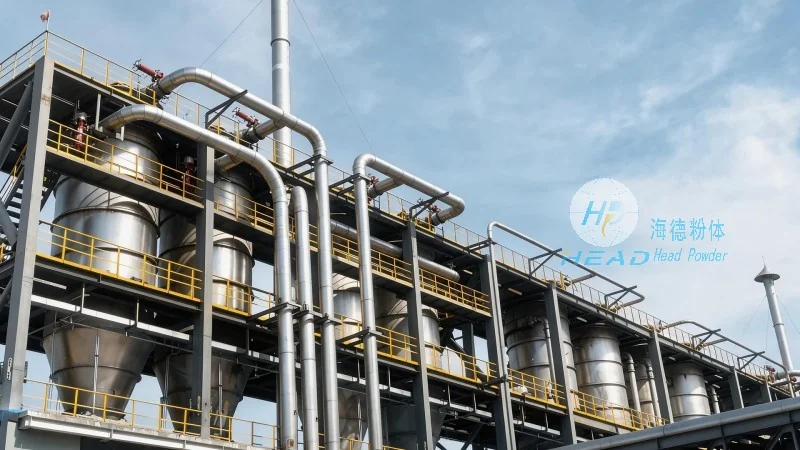
Application Scenarios and Performance
The pneumatic conveying system designed for sand particles is suitable for a wide range of industrial applications, including construction material processing, mining operations, and sand manufacturing facilities. In construction, the system can efficiently transport sand from storage silos to mixing plants or construction sites. In mining, it can handle sand from ore processing plants, ensuring a continuous supply of raw materials. The system's performance is measured by its ability to maintain consistent flow rates, minimize downtime, and handle varying sand characteristics. With proper maintenance and operation, the system can achieve high reliability and long service life, making it a cost-effective solution for sand transport needs.
Conclusion
Shandong HeadPowder Engineering Co., Ltd. provides comprehensive design and implementation services for pneumatic conveying systems tailored to the specific requirements of sand particles. By addressing key design considerations, selecting appropriate components, and optimizing system performance, the company ensures that clients receive a reliable and efficient material handling solution. The pneumatic conveying system for sand particles represents a modern approach to bulk material transport, offering advantages in efficiency, safety, and environmental compliance. With a focus on quality and customer satisfaction, HeadPowder Engineering continues to deliver innovative solutions for the material handling industry.