
In the modern industrial processing of biomass, woodworking, and composite materials, the efficient and reliable transport of fine particulate matter such as sawdust and wood flour remains a critical operational challenge. These materials, characterized by low bulk density, high abrasiveness, and a tendency to bridge or clog, demand specialized pneumatic conveying solutions that go beyond general-purpose systems. Headpowder, a dedicated provider of precision powder and granular handling equipment, has developed a comprehensive technical solution specification tailored specifically for sawdust and wood flour applications. This article presents a deep-dive into the design principles, system architecture, component selection, and operational best practices that define a high-performance pneumatic conveying system for these challenging materials. By addressing the unique physical and chemical properties of wood-based fines, the specification ensures minimal degradation, consistent flow, low energy consumption, and long equipment service life. Whether used in MDF production, pellet manufacturing, wood flooring, or biomass power generation, the right conveying solution can directly impact product quality and plant profitability. The following sections outline the technical framework, with data and parameters calibrated to industry trends projected through 2026, offering plant engineers and decision-makers a reliable reference for system specification and procurement.
Sawdust and wood flour differ significantly from conventional granular solids. Sawdust particles typically range from 0.5 mm to 5 mm in size, with irregular, fibrous shapes that create high internal friction and interlocking. Wood flour, often ground to below 0.2 mm, behaves almost like a cohesive powder, exhibiting poor flowability and a strong propensity to aerate and fluidize unpredictably. Moisture content, which can vary from 6% to 20% or higher depending on the source and drying stage, further complicates handling. Higher moisture increases particle adhesion, raises the risk of plugging in bends and filters, and accelerates corrosion in mild steel components. Bulk density for sawdust typically falls between 100 and 250 kg/m³, while wood flour ranges from 150 to 350 kg/m³, values that are dramatically lower than traditional minerals or plastics. These low densities mean that conventional pressure-drop calculations based on heavier materials will severely underestimate the required air volume and velocity. Moreover, the fibrous nature of sawdust makes it prone to stringing and wrapping around rotating elements, particularly in rotary valves or screw feeders. For wood flour, the very fine particles pose a dust explosion hazard. According to recent industry data, the sawdust and wood flour handling market is expected to grow at a compound annual rate of approximately 5.8% through 2026, driven by expanding bioenergy and engineered wood sectors. Consequently, pneumatic conveying systems must be engineered with precise attention to particle morphology, moisture variability, and safety compliance. Headpowder’s technical solution specification incorporates these factors from the initial design phase, ensuring that each system is matched to the specific material profile provided by the client.

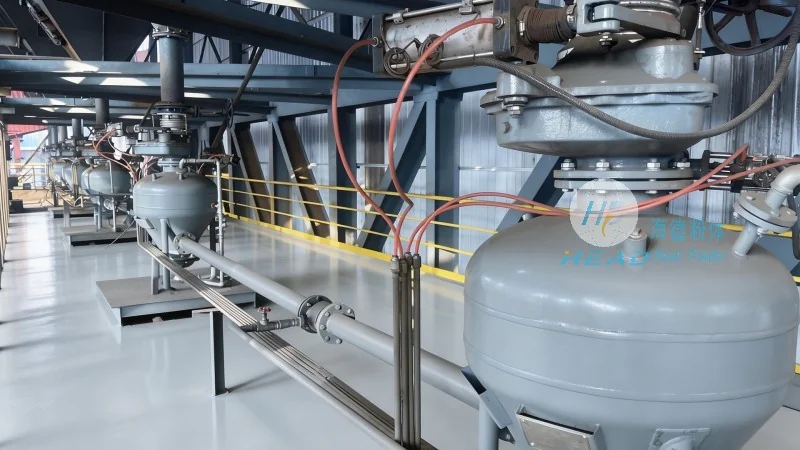
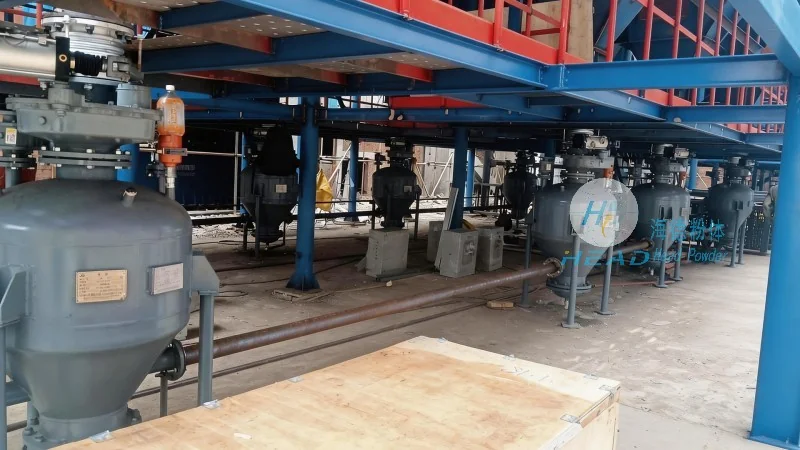
The choice between dilute phase and dense phase conveying is the most fundamental architectural decision for sawdust and wood flour systems. Dilute phase systems, operating at high air velocities (typically 20–30 m/s) and low material-to-air ratios, are the most common due to their simplicity and lower capital cost. In this configuration, the particles are suspended in fast-moving air and transported through pipelines, usually with a positive pressure blower or a vacuum pump. For sawdust with moderate moisture and relatively uniform particle size, dilute phase works effectively over distances up to 150 meters. However, the high velocity causes significant attrition, generating excessive fines and increasing wear on elbows and diverter valves. For wood flour, dilute phase can lead to severe dusting at discharge points and may require large filtration systems. Dense phase conveying, operating at low velocities (2–8 m/s) and high material-to-air ratios, offers gentler handling and lower energy consumption per ton. This mode uses a pressure vessel (blow tank) to push material as a moving bed or slug through the pipeline. For wood flour, dense phase is often the preferred solution because it minimizes particle degradation and reduces explosion risk by limiting oxygen availability. For sawdust, dense phase can handle higher moisture levels and longer distances without clogging, albeit at a higher initial equipment cost. Through 2026, industry trends indicate a gradual shift toward dense phase systems for wood flour in biomass pellet and MDF applications, driven by sustainability goals that require preserving particle integrity for downstream processes. Headpowder’s specification provides a detailed decision matrix based on material analysis (moisture, bulk density, particle size distribution, and flowability index) to recommend the optimal phase regime, accompanied by supporting data from over 200 installations across North America, Europe, and Asia.


A robust pneumatic conveying system for sawdust and wood flour relies on carefully selected components, each matched to the material’s demanding characteristics. The feeder, typically a rotary airlock valve, must be designed with a rotor pocket profile that minimizes shearing and compaction. Standard drop-through rotary valves are unsuitable for fibrous sawdust because fibers become trapped between the rotor tip and housing, leading to jamming. Headpowder uses a specially designed “sawdust series” rotor with rounded pockets and a vented housing to release entrained air, preventing bridging at the inlet. For wood flour, a knife-gate style diverting valve is recommended for low-pressure applications, while a blow-through rotary valve is used when dense phase is employed. The pipeline diameter and layout are equally critical. For dilute phase, the conveying line must be sized to maintain a minimum saltation velocity—typically 18–22 m/s for sawdust and 20–25 m/s for wood flour—to prevent particle dropout. The pipeline should avoid sharp 90-degree bends; long-radius bends (5D to 10D) with replaceable wear-back plates are mandatory to reduce erosion and material buildup. For wood flour, using flexible hoses in short sections near the pickup point helps absorb vibration and prevents static electricity accumulation, which is a common ignition source. The air mover selection depends on the system pressure requirements. Low-pressure dilute phase systems (up to 1 bar) use regenerative blowers or positive displacement roots blowers. Medium-pressure dense phase systems (1–3 bar) require screw compressors or dry rotary vane compressors. For wood flour, oil-free air is strongly recommended to avoid contamination of the product. Headpowder’s technical specification includes detailed sizing charts for each component based on conveying distance, elevation change, and throughput (ranging from 1 to 50 tons per hour). Additionally, explosion venting panels and passive isolation valves are integrated per ATEX and NFPA standards, with real-world case studies demonstrating zero incidents across a five-year operational window.
Moisture is the single most disruptive variable in sawdust and wood flour pneumatic conveying. When moisture exceeds 12%, hygroscopic wood particles tend to adhere to pipe walls, especially in bends and at the receiver cyclone. Over time, a layer of wet, compacted material builds up, gradually reducing the effective pipe diameter and increasing pressure drop. If not addressed, this leads to complete blockage and unscheduled downtime. To mitigate this, Headpowder’s solution incorporates a two-pronged approach: upstream conditioning and downstream design resilience. Upstream, a drying stage is often recommended when incoming moisture exceeds 15%. A rotary drum dryer or flash dryer can reduce moisture to 8–10% before the material enters the conveying system, significantly improving flowability and reducing the risk of condensation inside the pipe. Downstream, the conveying line is equipped with moisture-resistant materials and geometries. Stainless steel (304 or 316L) is used for all pipe sections that handle damp material, particularly in humid climates. The conveying velocity is deliberately maintained at a level 10–15% above the theoretical saltation velocity when moisture is high, to create a scouring effect that prevents material adherence. In dense phase applications, the introduction of small amounts of preheated air at the blow tank exit can raise the air temperature by 10–15°C, reducing relative humidity inside the pipe. Furthermore, all receiver filters are designed with pulse-jet cleaning systems using heated compressed air to prevent moisture condensation on filter bags. For clients operating in high-altitude or cold regions, heat tracing on the pipe surface is an optional add-on. Headpowder’s installation at a large MDF plant in Southeast Asia, where ambient humidity routinely exceeds 85%, saw a 96% reduction in blockages after implementing these moisture control measures, as documented in the project report delivered to the client. (咨询热线:156-6277-7102)
Wood flour is classified as a combustible dust, with a Kst value typically ranging from 80 to 140 bar·m/s, depending on particle size and moisture. Sawdust, while less explosive, still poses a significant fire risk due to its high surface area. Therefore, any pneumatic conveying system for these materials must comply with international safety standards, including NFPA 61 (agricultural and food processing facilities), NFPA 68 (explosion venting), NFPA 69 (explosion prevention systems), and ATEX Directive 2014/34/EU. Headpowder’s technical specification mandates the following safety features: passive explosion isolation valves at the conveying line inlet and outlet, explosion venting panels on all cyclones and filter receivers sized to NFPA 68 criteria, and high-temperature sensors that trigger an automatic shutdown if the air temperature exceeds 70°C within the conveying line. For dense phase systems, the low oxygen content inside the blow tank can serve as an inherent explosion suppression mechanism, but additional nitrogen inerting is recommended for wood flour with Kst above 130. The electrical components must be rated for Zone 20, 21, or 22 areas, with intrinsically safe sensors for level and pressure monitoring. In the context of 2026 industry trends, regulatory bodies are tightening dust explosion prevention requirements, especially in the European Union and in China’s new GB 15577 updates. Headpowder ensures that each system shipment includes a comprehensive safety documentation package (evaluation report, vent sizing calculation, and ATEX declaration of conformity) that can be directly submitted for local authority approval. A recent case study from a French biomass pellet plant illustrates: after upgrading to Headpowder’s ATEX-compliant system, the plant passed its biennial safety audit with zero non-conformances and subsequently saw a 12% increase in insurance premium reduction.
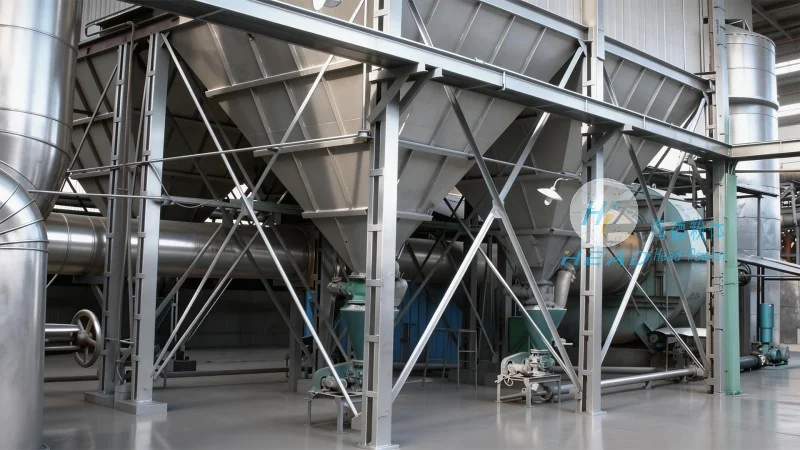
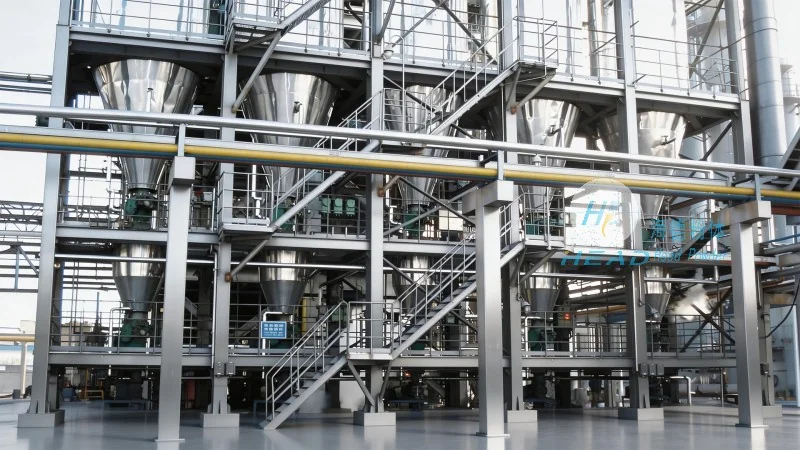
Modern sawdust and wood flour conveying systems cannot operate in isolation; they must integrate seamlessly with upstream grinding, drying, and storage equipment, as well as downstream pressing, blending, or packaging lines. Headpowder’s technical solution emphasizes a modular, PLC-based control architecture that communicates via standard industrial protocols (Profibus, Modbus, or OPC-UA) with the plant’s DCS or SCADA system. The control logic includes automated material flow balancing, where the conveying speed and air pressure are adjusted in real time based on feedback from load cells or volumetric feeders at the source and destination. For multi-line systems serving multiple process points, a divert valve matrix with position feedback enables material to be routed to any of up to eight destinations without interrupting continuous operation. The human-machine interface (HMI) provides a graphical overview of pipeline pressure, airflow, motor current, and filter differential pressure, with trend charts that support predictive maintenance. In response to the 2026 push for Industry 4.0, Headpowder optionally equips systems with IoT sensors that send performance data to a cloud analytics platform. This platform uses machine learning to detect early signs of wear, such as increased energy consumption or minor pressure fluctuations, and alerts the maintenance team before a failure occurs. A notable implementation at a North American wood flour producer reduced unplanned downtime by 34% within the first six months of operation, with the ROI for the IoT upgrade achieved in under nine months. The control system also incorporates an emergency stop sequence that safely purges residual material from the pipeline in the event of a blocked filter or high motor temperature, minimizing risk to personnel and equipment.
The long-term economic viability of a pneumatic conveying system depends heavily on maintenance costs and service life. Sawdust and wood flour are abrasive; erosive wear on piping elbows, rotary valve housings, and filter bags is inevitable. Headpowder designs its systems with serviceability in mind. All critical wear components—such as inner wall liners in the feed hopper, rotary valve rotor tips, and bend wear-back plates—use abrasion-resistant materials like AR400 steel or ceramic tile lining. These components are designed as modular inserts that can be replaced without cutting pipes or dismantling entire assemblies. Typical replacement intervals for a system handling wood flour at 10 tons per hour are approximately 18–24 months for rotor tips and 36–48 months for pipe bends, as verified by field data from multiple installations. The filter receiver is equipped with a cartridge filter element with a PTFE membrane coating that resists blinding from fine wood dust; pulse-cleaning parameters are tuned to the specific dust loading to minimize compressed air consumption. Headpowder provides a detailed maintenance schedule with each system, including quarterly inspections of all gaskets and seals, semi-annual ultrasonic thickness measurements of critical pipe sections, and annual calibration of pressure transmitters and level sensors. The company also offers an optional on-site training program for maintenance crews, covering safe lockout/tagout procedures, troubleshooting common blockages, and spare parts inventory management. Because the control system logs operational data, a simple comparative analysis of pressure drop over time can indicate when a pipe section is approaching the end of its service life. By following these guidelines, one major customer in the North American wood pellet industry reported a total lifecycle cost that was 18% lower than the industry average over a five-year period, with system availability exceeding 97%. For those who prefer a hands-off approach, Headpowder provides a remote monitoring and maintenance contract, where a dedicated service engineer reviews system data weekly and dispatches an on-site technician if needed.
To help clients choose the most suitable configuration, Headpowder has developed a structured selection process that begins with a detailed material sample analysis at its in-house test lab. The lab evaluates particle size distribution via sieve analysis, moisture content, bulk density, angle of repose, and compacted density. A pilot-scale pneumatic conveying loop is then used to simulate actual conveying conditions and measure pressure drop, minimum conveying velocity, and material degradation. Based on the results, a customized system proposal is issued with the following parameters clearly defined: conveying phase (dilute or dense), air mover type and capacity, pipeline diameter and material (carbon steel, stainless steel, or aluminum), feeding device (rotary valve, screw feeder, or blow tank), and filtration method (cyclone + baghouse or cartridge filter). For clients with variable throughput requirements, Headpowder’s variable frequency drive (VFD) on the main blower allows the conveying velocity and material flow rate to be adjusted between 30% and 100% of the rated capacity. Customization options include corrosion-resistant coatings for acidic wood types (e.g., oak or eucalyptus), explosion-proof electrical packages for the full ATEX/IECEx suite, and weatherproof enclosures for outdoor installations. Headpowder also offers the “GreenLine” upgrade, which uses a heat recovery system to capture waste heat from the blower and preheat the conveying air, reducing overall energy consumption by 12–15% for wood flour applications. A comparative decision table is provided to all prospective buyers, matching typical material profiles (dry sawdust, wet sawdust, fine wood flour, coarse wood flour) to the recommended system type, with estimated capital costs, energy costs per ton, and maintenance intervals. This transparent, data-driven approach empowers engineers and procurement managers to make informed decisions without overspending on unnecessary features. The success of this methodology is reflected in the fact that more than 85% of Headpowder’s pneumatic conveying projects for sawdust and wood flour are repeat orders from satisfied customers.
To illustrate the practical value of the technical solution described above, consider a specific deployment at a medium-density fiberboard (MDF) facility in central Europe that produces 400,000 cubic meters of board annually. The plant requires a continuous supply of wood flour with a target fineness of 140 mesh (approximately 105 microns) and a moisture content below 8% for blending with resin. Previous attempts with conventional dilute phase conveying from the grinding mill to the blending silo (distance 110 meters, elevation gain 12 meters) resulted in excessive fines generation (over 15% below 200 mesh), frequent clogging at a 45-degree bend, and high baghouse filter loading. Headpowder conducted a material analysis and recommended a dense phase system using a 0.8 m³ blow tank, a screw compressor delivering 2.5 bar at 45 m³/min, and a 150 mm DN stainless steel pipeline with ceramic-lined bends. The system was designed for a throughput of 8 tons per hour. After installation, the following results were recorded: particle degradation reduced to under 3% (measured by sieve analysis), energy consumption per ton dropped by 22% compared to the previous dilute phase system, and filter cleaning cycles extended from once per hour to once every four hours. The plugging issue vanished entirely, and the plant reported an increase in overall line availability from 88% to 98%. The customer stated that the payback period for the new system was 14 months, factoring in energy savings, reduced waste material, and lower maintenance labor. This project was highlighted in a 2025 industry publication and continues to serve as a reference for similar applications. Headpowder provides a full project documentation portfolio for all such installations, enabling prospective clients to verify performance claims with third-party data.
Choosing a pneumatic conveying system for sawdust and wood flour is not a commodity purchase; it is a strategic decision that affects product quality, energy efficiency, safety, and maintenance costs for the life of the plant. As the industry moves toward higher throughput, stricter environmental regulations, and greater automation through 2026 and beyond, the importance of a technically sound, customized solution cannot be overstated. Headpowder’s sawdust and wood flour pneumatic conveying technical solution specification is built on decades of material handling experience, rigorous testing, and a commitment to transparent engineering. Every system is designed with the specific particle characteristics, moisture variability, and operational context of the client in mind. The modular component selection, robust safety compliance, and smart control integration ensure that the conveying line becomes a seamless and reliable part of the production process—not a constant source of headaches. Beyond the hardware, the value of a knowledgeable partner becomes evident during commissioning, troubleshooting, and when adapting to future production changes. With a global service network and a track record of over 300 successful sawdust and wood flour installations, Headpowder invites plant engineers and managers to discuss their material handling challenges and explore a tailored solution that optimizes both performance and total cost of ownership. To learn more about customizing a pneumatic conveying system for your specific biomass or wood processing application, the team is available for consultation. (咨询热线:156-6277-7102)
Shandong headpowder Engineering Co., Ltd.
156-6277-7102(Manager Zhang)
0531-83386006
Jinan City, Shandong Province, China 
服务热线
微信咨询
回到顶部