

What is PE Pellet Pneumatic Conveying? Introduction to the Working Principle of Powder Handling Syst
PE pellet pneumatic conveying is a specialized material handling technology that utilizes compressed air or other gas to transport plastic pellets and fine powders through a pipeline. This method is widely adopted in the plastic industry for its ability to move materials from storage silos to processing equipment with minimal manual intervention. The core principle involves creating a flow of air that draws or pushes the pellets along the conveying line, depending on the system configuration.
HeadPowder: A Leading Manufacturer in Pneumatic Conveying Solutions
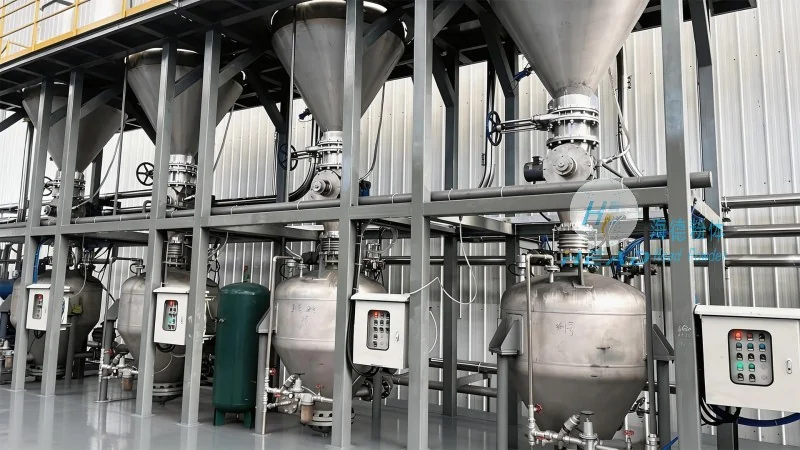
HeadPowder, a prominent engineering firm headquartered in Shandong, China, specializes in the design and manufacturing of advanced pneumatic conveying systems for PE pellets and other powders. The company's team of engineers has extensive experience in understanding the unique characteristics of PE pellets, including their size distribution, density, and moisture content, which are crucial for optimizing the conveying efficiency and system performance.
The Working Principle of PE Pellet Pneumatic Conveying
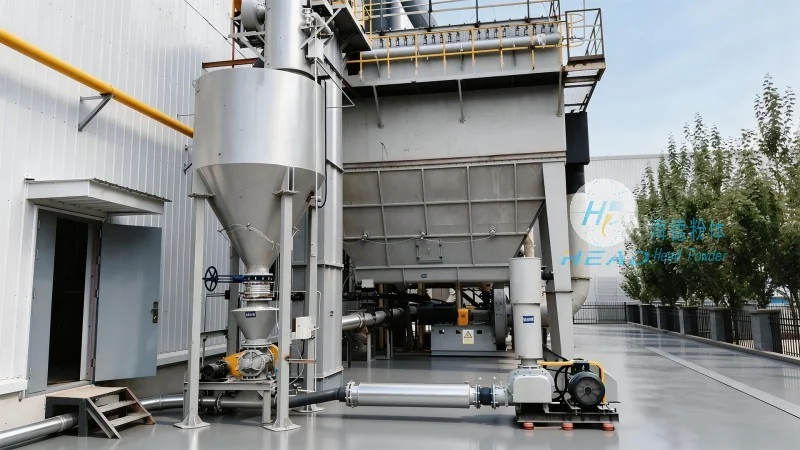
The working principle of a typical PE pellet pneumatic conveying system comprises several essential components. Initially, the pellets are stored in a hopper or silo, from which a feeder or rotary valve regulates the material flow into the conveying line. Compressed air, supplied by a blower or compressor, is then introduced into the pipeline, establishing a pressure differential. This differential creates either a vacuum (for suction systems) or positive pressure (for pressure systems) that propels the pellets through the pipeline. The system may incorporate filters, cyclones, and dust collectors to ensure the material remains clean and to protect the equipment from wear.
Advantages of Pneumatic Conveying for PE Pellets
A key benefit of pneumatic conveying for PE pellets is its closed-loop operation, which significantly reduces dust exposure and environmental contamination. This is vital for PE pellets, as they can generate static electricity and dust during handling, posing safety and quality risks. The closed system also helps maintain the pellets' integrity by preventing moisture absorption or contamination from external sources.
HeadPowder's Customized Solutions for PE Pellet Conveying
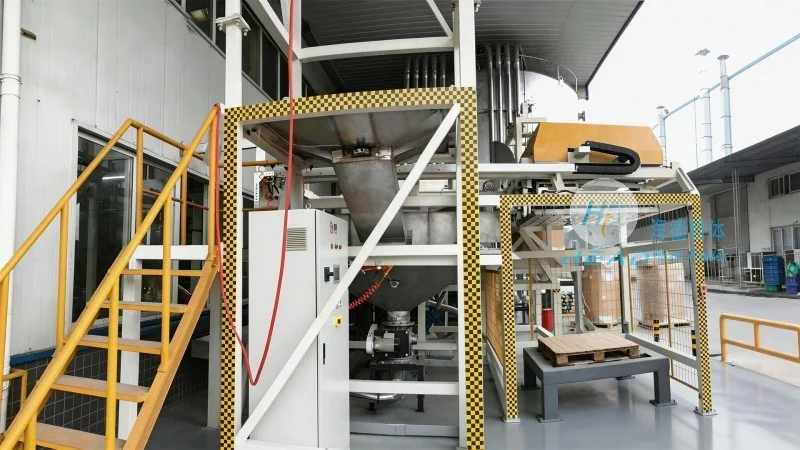
HeadPowder's pneumatic conveying systems are engineered to address the specific demands of PE pellet processing. For example, the company offers adjustable air flow rates and pressure settings to accommodate different pellet sizes and processing requirements. Additionally, their systems include features like in-line mixers and temperature control to ensure the pellets remain in optimal condition throughout the conveying process. The company's expertise in material handling ensures that their solutions are reliable, efficient, and tailored to the unique needs of each client.
Conclusion: Efficient and Effective Material Handling with Pneumatic Conveying
In conclusion, PE pellet pneumatic conveying is an efficient and effective method for transporting plastic pellets, leveraging compressed air to move materials through a pipeline. HeadPowder's commitment to quality and innovation ensures that their systems provide reliable and cost-effective material handling solutions for modern plastic processing facilities.