

Powder Pneumatic Conveying Design and Equipment Selection
HeadPowder, a leading engineering firm based in Shandong, China, specializes in the design, calculation, and selection of equipment for pneumatic conveying systems used in handling powders. This article provides an overview of the key considerations and processes involved in designing an efficient and reliable powder pneumatic conveying system, ensuring optimal performance for various industrial applications.
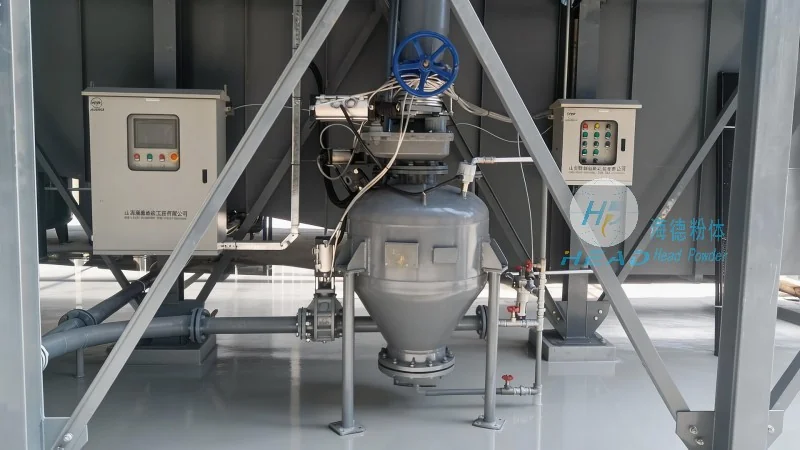
Key Design Considerations for Pneumatic Conveying Systems
When designing a pneumatic conveying system for powders, several critical factors must be considered to ensure the system operates efficiently and safely. The first step is to determine the required material flow rate, which is influenced by the production capacity and the speed of material handling. Accurate flow rate calculation is essential as it directly impacts the selection of the conveying line diameter, the type of air mover (e.g., positive displacement blowers or centrifugal fans), and the overall system pressure. The material's physical properties, such as particle size distribution, density, and moisture content, also play a significant role in determining the appropriate conveying method—whether it's dilute phase or dense phase transport. For instance, fine powders with low bulk density may require higher air velocities to maintain suspension, while coarser materials might benefit from dense phase conveying to reduce wear on equipment.
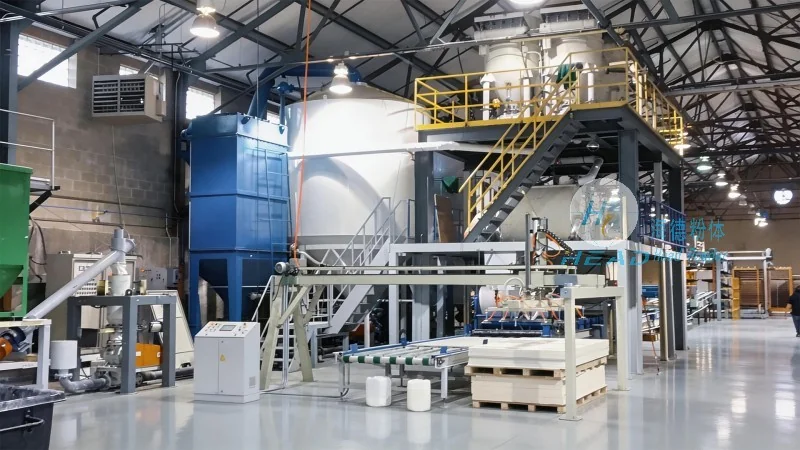
Calculation of Pressure Loss in Conveying Lines
Pressure loss is a critical parameter in pneumatic conveying system design, as it determines the power required to operate the system and the overall system efficiency. The total pressure loss in the conveying line consists of several components, including frictional losses along the pipe, local losses at bends, valves, and fittings, and acceleration losses when the material is introduced into the system. The Darcy-Weisbach equation is commonly used to calculate frictional losses, where the pressure drop is proportional to the length of the pipe, the velocity of the air-powder mixture, and the roughness of the pipe surface. Local losses are typically expressed as a function of the velocity and the geometry of the fittings, and can be estimated using empirical coefficients. Acceleration losses occur when the material is accelerated from rest to the conveying velocity and are proportional to the mass of the material being conveyed. By accurately calculating these losses, engineers can select the appropriate air mover with sufficient capacity to overcome the total pressure drop and maintain the desired flow rate.
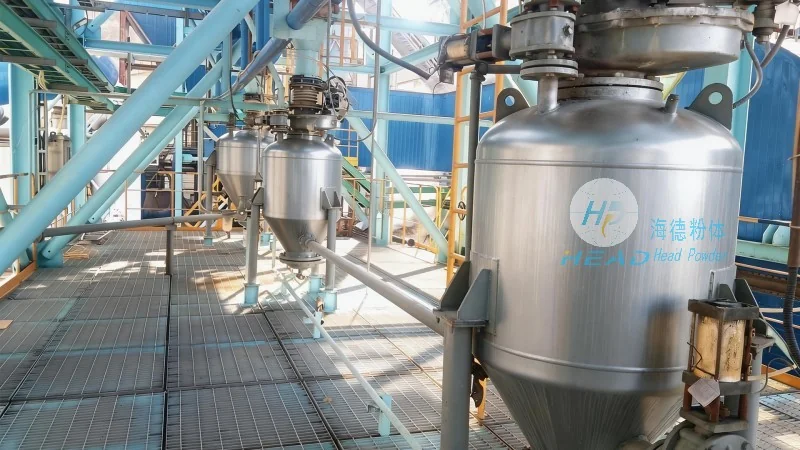
Equipment Selection for Pneumatic Conveying Systems
Equipment selection is a crucial step in the design process, as the choice of components directly impacts the system's performance, reliability, and cost. The primary equipment in a pneumatic conveying system includes the air mover, conveying line, material feeders, and separation equipment. The air mover is selected based on the required pressure and flow rate. Positive displacement blowers are often preferred for dense phase conveying due to their ability to provide high pressure at low flow rates, while centrifugal fans are more suitable for dilute phase systems requiring high flow rates at moderate pressures. The conveying line diameter is determined by the material flow rate and the air velocity, with larger diameters reducing frictional losses but increasing capital costs. Material feeders, such as rotary valves or star feeders, are used to introduce the powder into the conveying line at a controlled rate, preventing blockages and ensuring smooth operation. Separation equipment, including cyclones or bag filters, is used to separate the powder from the air at the end of the conveying line, preventing dust emissions and protecting downstream equipment.
System Integration and Commissioning
After the design and equipment selection, the next step is system integration and commissioning. This involves assembling the components according to the design specifications, checking for proper alignment and connections, and performing pressure tests to ensure the system is leak-free. The system is then commissioned by gradually increasing the air flow and monitoring the flow rate and pressure at various points in the system. Any adjustments to the air mover speed or feeder settings are made to achieve the desired flow rate and pressure. The commissioning process also includes testing the separation equipment to ensure it effectively removes the powder from the air stream, preventing dust contamination. Proper system integration and commissioning are essential to ensure the pneumatic conveying system operates as designed and meets the performance requirements of the industrial application.
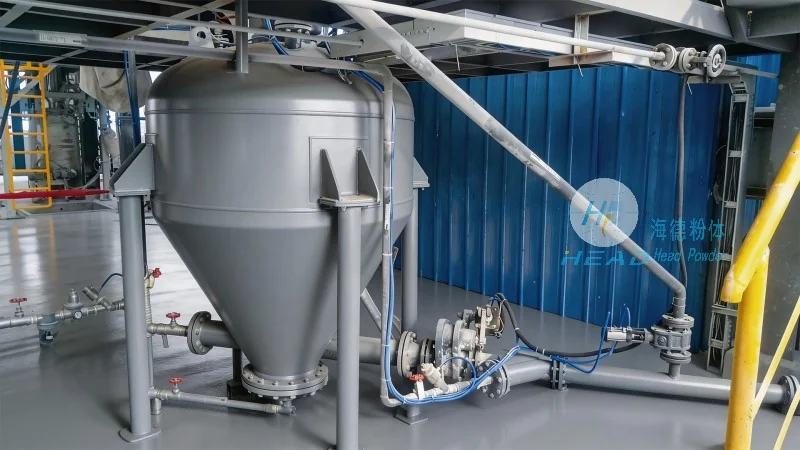
Benefits of Professional Design and Equipment Selection
Working with a professional engineering firm like HeadPowder offers several benefits when designing and selecting equipment for pneumatic conveying systems. Experienced engineers can provide expert guidance on the most suitable conveying method and equipment for a specific application, ensuring optimal performance and cost-effectiveness. They can also help optimize the system design to reduce energy consumption and maintenance costs, improving the overall efficiency of the operation. Additionally, professional design and equipment selection can help avoid common pitfalls, such as system overdesign or underdesign, which can lead to performance issues or equipment failure. By leveraging the expertise of a reputable firm, industries can ensure their pneumatic conveying systems are reliable, efficient, and meet the highest standards of safety and performance.