

[Dust Gas-Pneumatic Conveying Design Calculation and Equipment Selection]
HeadPowder, a leading engineering firm based in Shandong, China, specializes in the design, calculation, and selection of equipment for dust gas-pneumatic conveying systems. With a strong focus on industrial applications, the company provides comprehensive solutions tailored to meet the specific needs of clients in various sectors. This article explores the key aspects of dust gas-pneumatic conveying, including design calculations and equipment selection, as offered by HeadPowder Engineering Co., Ltd.
Understanding Dust Gas-Pneumatic Conveying Systems
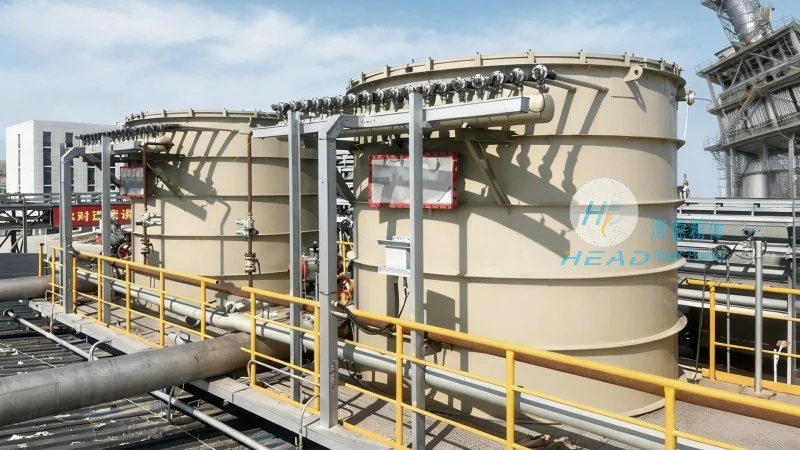
Dust gas-pneumatic conveying is a method used to transport particulate materials, such as dust or powders, using a gas stream, typically air or other gases. This technology is widely adopted in industries like mining, food processing, pharmaceuticals, and chemical manufacturing due to its efficiency in handling fine materials and minimizing material loss. The core of a gas-pneumatic conveying system involves a pipeline, a blower or compressor to generate the gas flow, and components like inlets, outlets, and filters to control the material transport. HeadPowder's expertise lies in optimizing these components to ensure reliable and efficient operation.
Design Calculation Process for Dust Conveying Systems
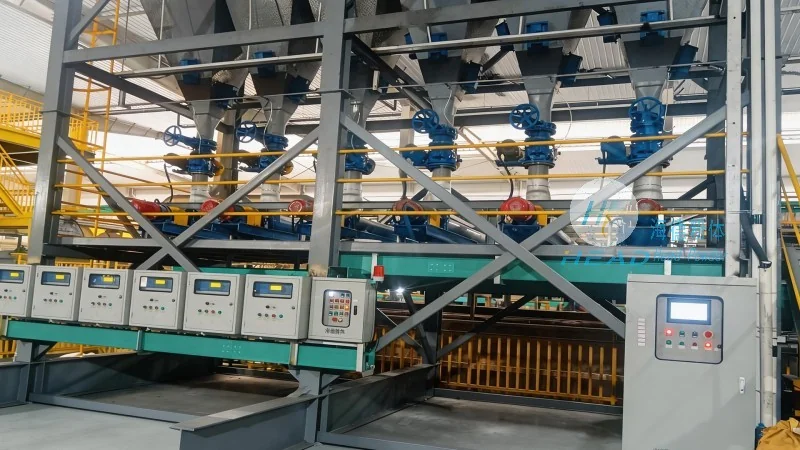
The design of a dust gas-pneumatic conveying system requires precise calculations to ensure the system operates within safe and efficient parameters. HeadPowder employs a systematic approach that considers several critical factors. First, the material characteristics, including particle size, density, and flowability, are analyzed to determine the appropriate conveying velocity and pressure drop. The system's capacity, which is the amount of material to be transported per unit time, is calculated based on production requirements. The pipeline layout and length are then determined, taking into account the vertical and horizontal distances the material needs to travel. HeadPowder's engineers use specialized software and empirical formulas to compute the required air volume, pressure, and power consumption. For example, the air velocity must be high enough to lift the particles but not so high as to cause excessive wear on the system components. The pressure drop across the pipeline and components is also calculated to ensure the blower or compressor can provide sufficient pressure. These calculations are crucial for preventing system failures, such as blockages or insufficient material transport, and for optimizing energy consumption.
Equipment Selection for Dust Gas-Pneumatic Conveying
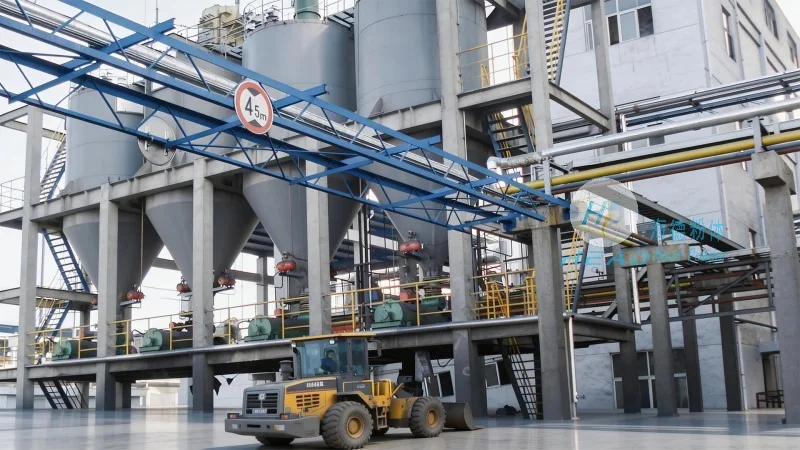
HeadPowder offers a range of equipment tailored to different dust conveying applications. The primary equipment includes blower units, which generate the necessary air pressure and flow. There are various types of blowers, such as centrifugal and positive displacement blowers, each with its own advantages. Centrifugal blowers are suitable for high-volume, low-pressure applications, while positive displacement blowers are ideal for low-volume, high-pressure systems. The choice of blower depends on the material's properties and the system's requirements. Another critical component is the conveying pipeline, which can be made of materials like stainless steel, plastic, or metal, depending on the material's corrosiveness and the operating conditions. The pipeline diameter is determined based on the air velocity and material flow rate. Inlets and outlets are designed to minimize material degradation and ensure smooth material flow. Filters are essential to prevent dust from escaping into the environment and to maintain the system's efficiency. HeadPowder's engineers evaluate the specific needs of each project to select the most appropriate equipment, ensuring durability, reliability, and cost-effectiveness.
Application Examples and Case Studies
HeadPowder's dust gas-pneumatic conveying solutions have been successfully implemented in various industrial settings. For instance, in a mining operation, the company designed a system to transport fine ore dust from a crusher to a storage silo. The system used a centrifugal blower and stainless steel pipeline, with a calculated air velocity of 20 m/s to ensure efficient transport. The pressure drop across the 500-meter pipeline was calculated to be 1.2 kPa, which was within the blower's capacity. In another case, a food processing plant required a system to convey flour from a storage bin to a mixing machine. HeadPowder selected a positive displacement blower and plastic pipeline to handle the flour, which is sensitive to moisture and temperature. The system was designed with a low air velocity to prevent flour degradation and included a filter to maintain air quality. These examples illustrate how HeadPowder's design and equipment selection processes result in effective and reliable dust conveying solutions.
Advantages of HeadPowder's Dust Gas-Pneumatic Conveying Solutions
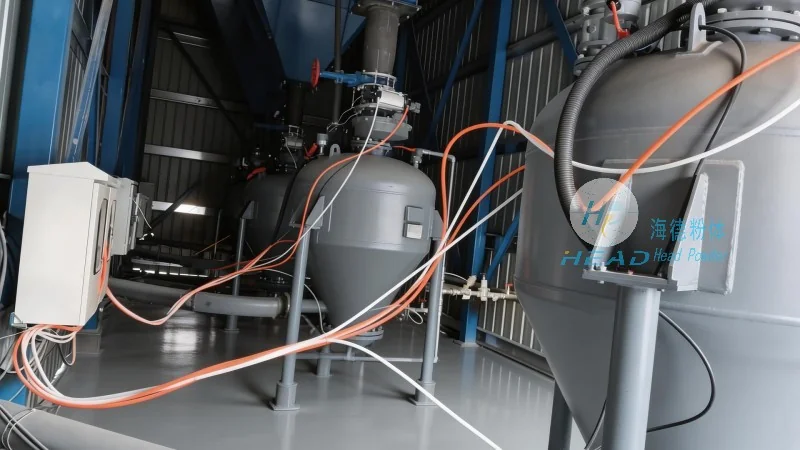
HeadPowder's approach to dust gas-pneumatic conveying offers several advantages over traditional methods. One key benefit is the ability to transport materials over long distances without the need for multiple transfer points. The system's enclosed pipeline prevents dust from contaminating the environment and reduces the risk of material loss. Additionally, the design calculations ensure optimal energy usage, reducing operational costs. The equipment selection process ensures that the system is durable and can handle the specific challenges of the application, such as abrasive materials or high temperatures. HeadPowder's engineers provide comprehensive support, from initial design and calculation to installation and maintenance, ensuring that clients receive a complete solution that meets their needs. The company's commitment to quality and efficiency has made it a trusted partner in the industry for dust conveying systems.