

Design of Pneumatic Conveying System for Battery Positive Electrode Materials
HeadPowder, a leading engineering company based in Shandong, China, specializes in the design and implementation of advanced pneumatic conveying systems tailored for the battery industry. This article provides an in-depth look at the key considerations and technical solutions involved in designing such systems, focusing on the specific requirements of battery positive electrode material handling.
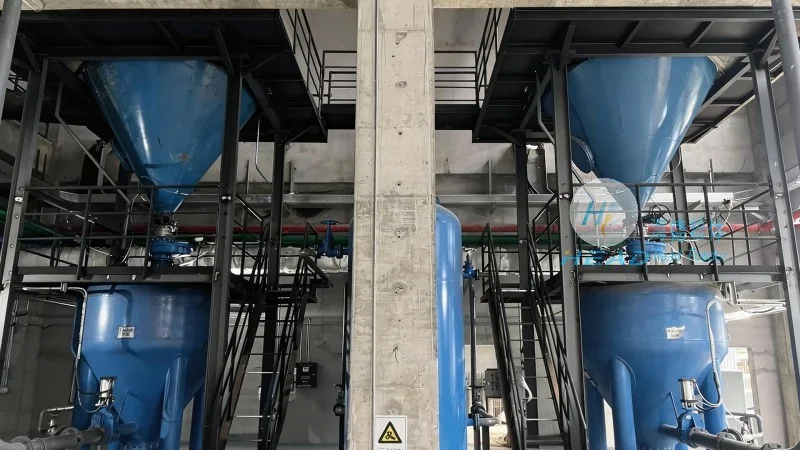
Understanding the Importance of Pneumatic Conveying in Battery Manufacturing
In the battery manufacturing sector, the efficient and reliable transport of positive electrode materials is critical to maintaining production throughput and product quality. Traditional methods like manual handling or mechanical conveyors often present challenges such as material degradation, contamination risks, and operational inefficiencies. Pneumatic conveying systems offer a solution by enabling dust-free, low-maintenance, and flexible material transport. These systems are particularly suited for handling fine powders and granules, which are common in the production of lithium-ion battery positive electrodes.
Key Design Considerations for Battery Positive Electrode Material Conveying Systems
When designing a pneumatic conveying system for battery positive electrode materials, several factors must be carefully evaluated to ensure optimal performance and safety. The first consideration is the material characteristics, including particle size, density, and moisture content. These properties directly influence the selection of conveying air velocity, system pressure, and equipment materials. For instance, fine powders may require higher air velocities to prevent clogging, while bulkier materials might need lower velocities to maintain system efficiency.
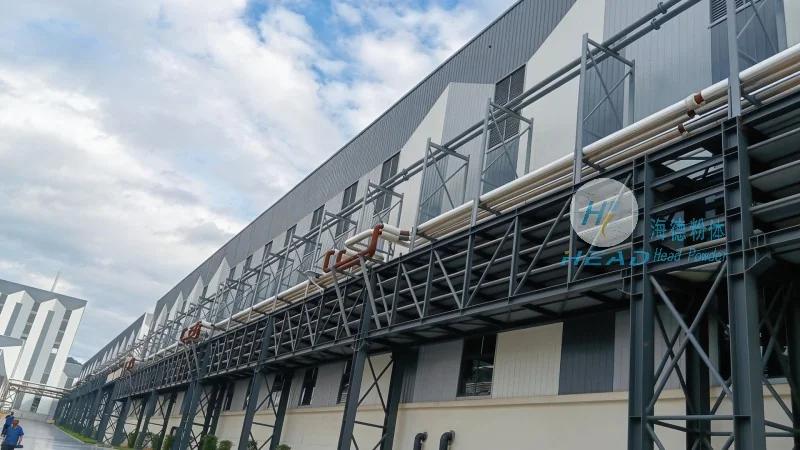
Another critical aspect is the system layout and integration with existing production lines. The design must account for the flow path from raw material storage to processing equipment, ensuring minimal material handling steps and reduced downtime. HeadPowder engineers consider factors like space constraints, environmental regulations, and safety standards when planning the system layout. Additionally, the choice of conveying technology—whether positive or negative pressure, or a combination—depends on the specific material and operational requirements. Positive pressure systems are often preferred for long-distance transport and handling of abrasive materials, while negative pressure systems are suitable for applications requiring dust containment and environmental control.
Technical Components and Solutions for Reliable Operation
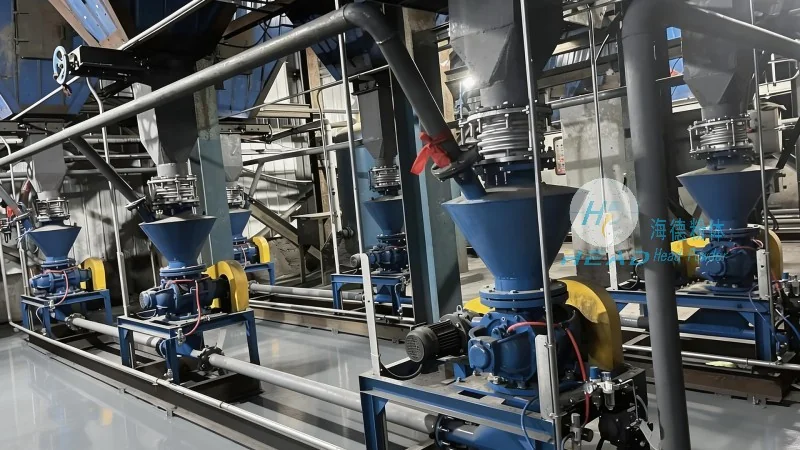
HeadPowder’s pneumatic conveying systems for battery positive electrode materials incorporate a range of advanced components to ensure reliability and efficiency. The system typically includes a hopper or feeder to feed material into the conveying line, followed by a venturi or rotary airlock to control material flow. The conveying line itself is constructed from materials resistant to corrosion and wear, such as stainless steel or specialized polymers, to withstand the abrasive nature of battery materials. To maintain system performance, headloss monitors and pressure sensors are integrated to detect blockages or inefficiencies in real-time. Additionally, dust collection and filtration systems are essential to comply with environmental regulations and maintain a clean working environment.
Case Study: Implementing a Pneumatic Conveying System for a Battery Manufacturer
A recent project by HeadPowder involved designing a pneumatic conveying system for a leading battery manufacturer in Shandong, China. The client required a system capable of transporting 500 tons of positive electrode material per day from raw material storage to the mixing and coating lines. The solution included a positive pressure conveying system with a venturi section, stainless steel piping, and an integrated dust collection unit. The system was designed to operate at a pressure of 0.8 MPa, with air velocities optimized to prevent material degradation. Post-implementation, the client reported a 20% increase in production throughput and a significant reduction in material handling costs. The system also achieved compliance with local environmental regulations, demonstrating the effectiveness of HeadPowder’s engineering approach.
Conclusion and Future Trends in Battery Material Handling
As the battery industry continues to grow, the demand for efficient and reliable material handling systems will remain high. Pneumatic conveying systems, particularly those tailored for battery positive electrode materials, offer a robust solution to meet these demands. HeadPowder, with its expertise in engineering and manufacturing, remains committed to providing customized solutions that enhance operational efficiency, reduce costs, and ensure product quality. By focusing on material-specific design and advanced technology, HeadPowder helps battery manufacturers optimize their production processes and stay competitive in the market.