

Design Calculation and Equipment Selection for Acrylic Rubber Pneumatic Conveying Systems
Acrylic rubber, known for its excellent resistance to oil, ozone, and weathering, is widely used in industrial applications requiring durable and flexible material handling solutions. Pneumatic conveying systems that utilize acrylic rubber components offer reliable performance in transporting powders and granules under various operational conditions. This document outlines the design calculation methodologies and equipment selection criteria for such systems, tailored to meet the specific demands of industrial processes.
Key Design Considerations for Pneumatic Conveying
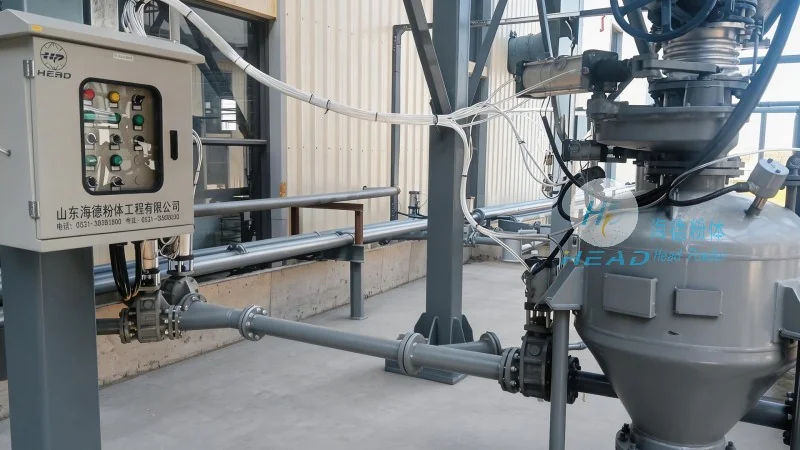
The design of a pneumatic conveying system for acrylic rubber involves several critical factors to ensure efficient and safe operation. First, the material's physical properties, such as bulk density, particle size distribution, and flowability, must be thoroughly analyzed. These properties directly impact the system's air velocity requirements and pressure drop calculations. For acrylic rubber, which often has a moderate to high bulk density and can be abrasive, selecting appropriate duct materials and wear-resistant components is essential. The system's layout, including the number of bends, straight runs, and the placement of inlets and outlets, also affects overall efficiency and energy consumption. Proper sizing of the air compressor and associated piping is crucial to maintain consistent air pressure and flow rates, which are vital for maintaining the material's transport velocity and preventing blockages.
Design Calculation Methodologies
Calculating the necessary air velocity and pressure drop for acrylic rubber pneumatic conveying requires a systematic approach. The primary design parameters include the material's bulk density (ρ), the conveying velocity (v), and the system's pressure drop (ΔP). The conveying velocity is typically determined based on the material's settling velocity, which is influenced by particle size, shape, and air density. For acrylic rubber powders, a common design velocity is in the range of 20-30 m/s, ensuring that particles remain suspended and transported efficiently. The pressure drop across the system is calculated by summing the losses due to friction in the ducts, bends, and fittings, as well as the acceleration and deceleration of the material. The Darcy-Weisbach equation is commonly used to estimate friction losses, while empirical formulas or software tools are employed to account for losses at bends and fittings. The total pressure drop must be matched with the available air compressor capacity to ensure the system operates within safe and efficient parameters.
Equipment Selection for Acrylic Rubber Pneumatic Conveying
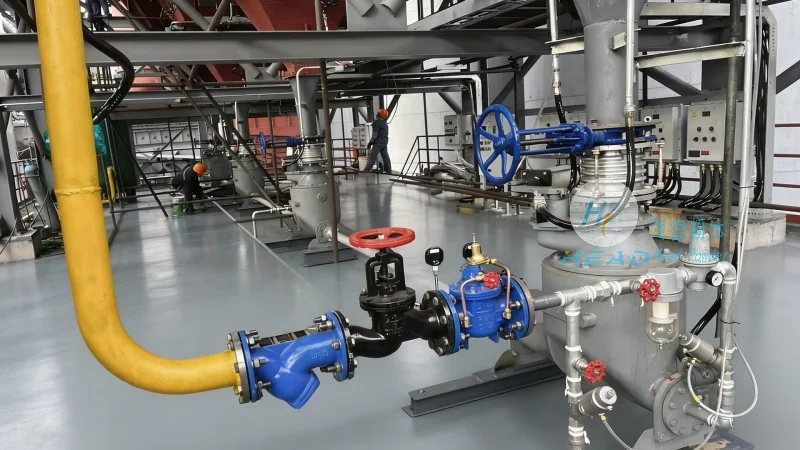
Choosing the right equipment for an acrylic rubber pneumatic conveying system is critical to achieve optimal performance and longevity. The air compressor is the heart of the system, and selecting a unit with sufficient capacity and pressure rating is paramount. For systems handling acrylic rubber, a positive displacement compressor or a centrifugal compressor with variable speed control may be appropriate, depending on the required flow rate and pressure. The compressor's capacity should be sized to provide a margin of safety, typically 10-20% above the calculated air demand, to accommodate variations in material properties and system inefficiencies. The ductwork, made from materials resistant to acrylic rubber's chemical properties, such as stainless steel or specialized plastics, must be designed with smooth internal surfaces to minimize friction losses and prevent material buildup. The use of wear-resistant liners or coatings on elbows and other high-wear components is recommended to extend the system's service life. For the material inlet and outlet, specialized feeders and discharge devices are often used to ensure consistent material flow and prevent blockages. These components, such as rotary valves or screw feeders, are designed to handle the abrasive nature of acrylic rubber and maintain system efficiency.
Case Study: Equipment Selection for a HeadPowder Project
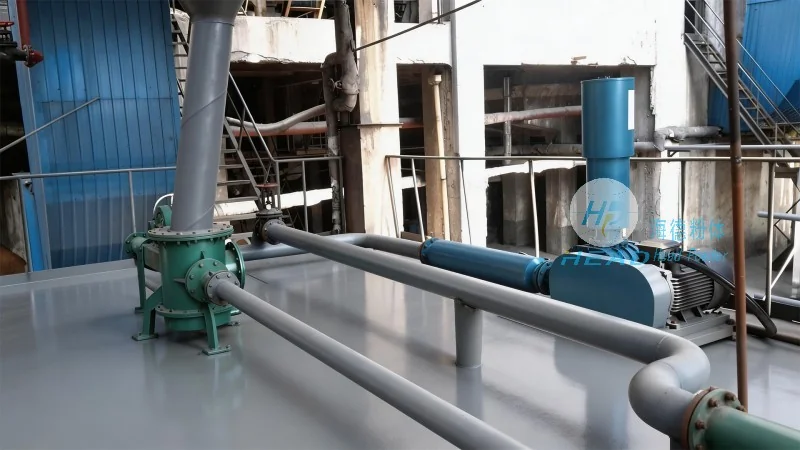
Shandong HeadPowder Engineering Co., Ltd., a leading provider of industrial material handling solutions, recently completed a project for a client requiring a pneumatic conveying system for acrylic rubber. The client's process involved transporting 10 tons of acrylic rubber powder per hour from a storage silo to a processing plant. The design calculations indicated a required air velocity of 25 m/s and a total pressure drop of 150 kPa. A positive displacement air compressor with a capacity of 15 m³/min and a pressure rating of 200 kPa was selected to meet these requirements. The ductwork was constructed from stainless steel with a smooth internal finish, and wear-resistant liners were installed on all elbows and fittings. The system included a rotary valve at the inlet to control the material flow and a cyclone separator at the outlet to separate the air from the material. The project was completed successfully, with the system achieving a conveying efficiency of over 95% and a low maintenance cost due to the robust equipment selection.
Conclusion and Recommendations
Designing and selecting equipment for acrylic rubber pneumatic conveying systems requires a thorough understanding of the material's properties and the system's operational requirements. By following the design calculation methodologies outlined above and selecting appropriate equipment, such as high-capacity air compressors, wear-resistant ductwork, and specialized feeders, industrial facilities can achieve reliable and efficient material handling. Shandong HeadPowder Engineering Co., Ltd. specializes in providing customized solutions for pneumatic conveying systems, ensuring that clients receive equipment tailored to their specific needs. With a focus on durability and performance, their systems are designed to meet the demands of modern industrial applications, offering long-term reliability and low maintenance costs.