
With over a decade of experience in the pneumatic conveying industry, our company specializes in a full range of pneumatic conveying system equipment.
您的当前位置:首页 >> News >> Technical FAQ

News

Rich project cases across industries, showing real implementation and proven technical strength.

Color masterbatch pellets pneumatic conveying equipment system introduction

2026-07-20

Understanding the Role of Pneumatic Conveying in Color Masterbatch Production

In the modern plastics compounding industry, the handling of color masterbatch pellets has evolved from manual batch feeding to highly automated, closed-loop pneumatic conveying systems. These systems are designed to transport masterbatch pellets from storage silos, drying hoppers, or blending stations directly to processing machines such as injection molders, extruders, and blow molding units. The core advantage of pneumatic conveying lies in its ability to move materials efficiently without mechanical contact, reducing wear, contamination, and maintenance downtime. For manufacturers who rely on consistent color quality and precise dosing, the integration of a well-engineered pneumatic conveying equipment system is not merely an operational convenience but a strategic necessity.

Color masterbatch pellets pneumatic conveying equipment system introduction

Color masterbatch pellets are typically small, cylindrical, or spherical granules with a narrow particle size distribution. Their flow characteristics demand careful consideration in system design. Traditional mechanical conveyors, such as screw or belt conveyors, often lead to pellet degradation, dust generation, and inconsistent feed rates. Pneumatic conveying, by contrast, uses air pressure or vacuum to propel the pellets through sealed pipelines. This method preserves pellet integrity, minimizes material loss, and maintains a clean factory environment. At headpowder, we have observed a growing shift among compounders toward lean, automated material handling solutions. Industry data from 2026 indicates that over 62% of new masterbatch production facilities in Asia and Europe now specify pneumatic conveying as their primary transfer method, driven by stricter hygiene standards and the need for faster changeover between color batches.

The fundamental principle of pneumatic conveying for color masterbatch pellets involves three key components: a material source, a conveying line, and a receiving point. The material source is often a storage hopper or a continuous mixer discharge. The conveying line can be either pressure-driven (positive displacement blower) or vacuum-driven (exhaust fan or vacuum pump). The choice between dilute phase and dense phase conveying depends on the pellet's bulk density, fragility, and required throughput. Dilute phase systems are common for low-to-moderate throughput applications, using high air velocity to suspend pellets in the airstream. Dense phase systems operate at lower air speeds and higher material-to-air ratios, ideal for fragile pellets or long-distance transfers. Understanding these fundamentals helps engineers select the correct equipment configuration.

Color masterbatch pellets pneumatic conveying equipment system introduction

Key Equipment Components of a Masterbatch Pneumatic Conveying System

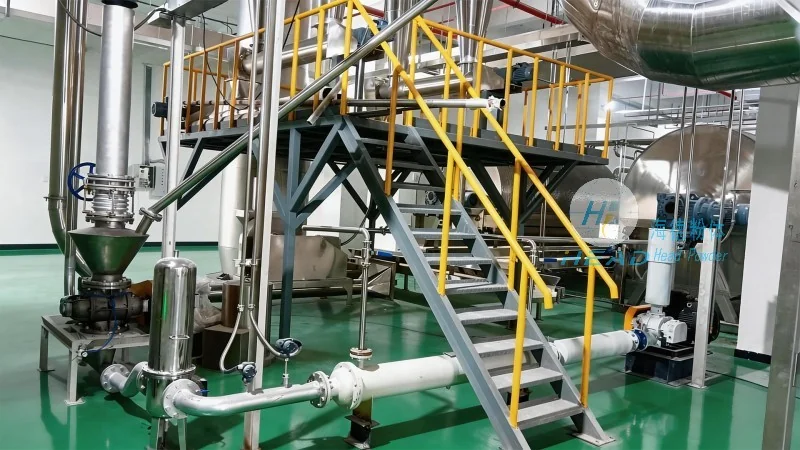
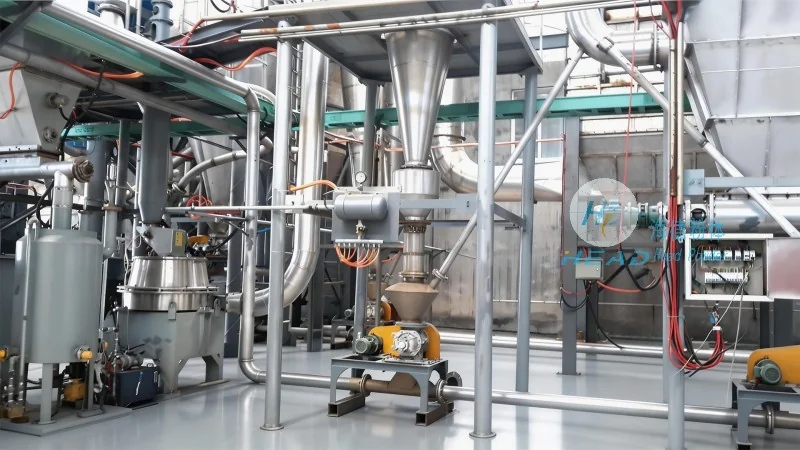
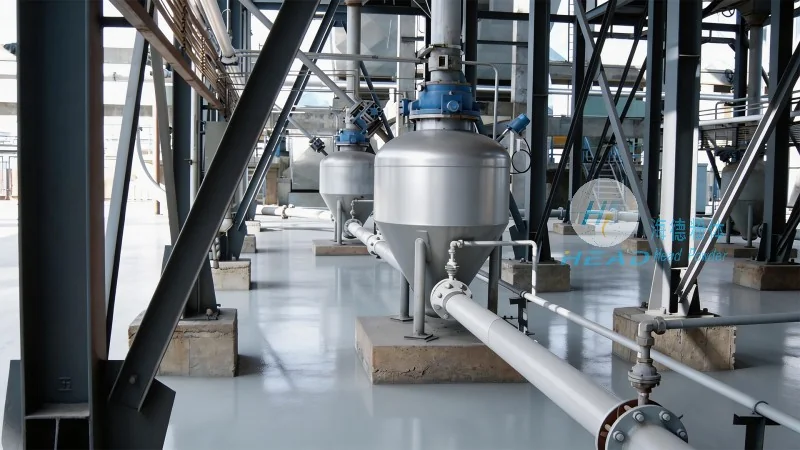
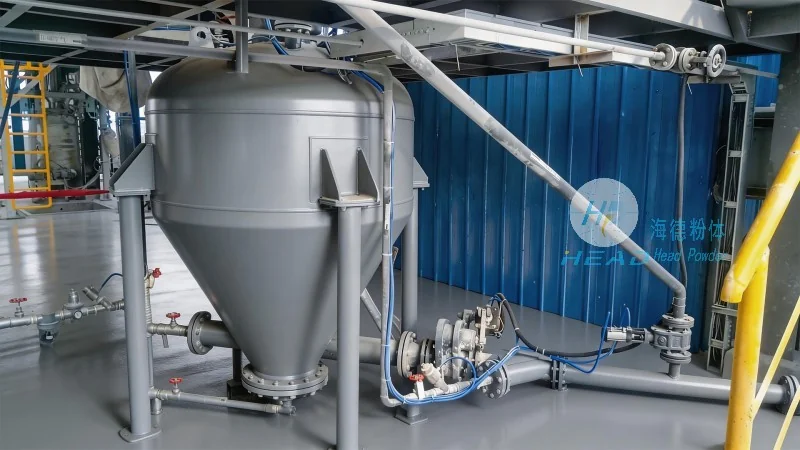
A complete pneumatic conveying system for color masterbatch pellets includes several carefully selected components, each with specific design criteria. The primary subsystems are the feed device, air mover, conveying pipeline, separation device, and control logic. Below is a detailed breakdown of each component and its relevance to masterbatch production.

1. Feed Devices: Rotary airlocks are the most common feed mechanism for masterbatch pellets. They provide a continuous, metered feed into the conveying line while maintaining pressure differential. For sensitive pellets, blow-through valves or venturi feeders can reduce mechanical impact. The selection of the rotor type, clearance, and material of construction (e.g., stainless steel with hardened tips) directly affects pellet degradation rates. headpowder recommends a clear design parameter: the gap between rotor and housing should not exceed 0.3 mm for standard masterbatch pellets to prevent air leakage and pellet pinching.

2. Air Movers: Two main types are used: positive displacement blowers for pressure systems and regenerative blowers or vacuum pumps for vacuum systems. Pressure systems are efficient for multiple destinations, while vacuum systems are preferable for dust control and when transferring from multiple sources. For high-throughput lines exceeding 5 tons per hour, centrifugal fans with variable frequency drives offer energy-efficient control. Operational data from the 2026 International Plastics Show indicates that variable-speed blowers can reduce energy consumption by up to 35% compared to fixed-speed units in cyclic conveying applications.

3. Conveying Pipelines: Pipeline material is typically stainless steel or aluminum for masterbatch applications. The inner surface finish must be smooth (Ra ≤ 0.8 μm) to prevent pellet sticking and buildup. Pipe diameter is calculated based on conveying velocity, material bulk density, and desired throughput. For dilute phase conveying of color masterbatch pellets (bulk density ~0.6–0.9 g/cm³), typical air velocities range from 12 to 20 m/s. Larger diameters reduce velocity for fragile pellets. The pipeline layout should minimize bends and use long-radius elbows (at least 10 times pipe diameter) to reduce pressure drop and pellet breakage.

4. Separation Devices: At the receiving end, a cyclone separator or a filter receiver separates pellets from the conveying air. Cyclones handle bulk separation with high efficiency, but for complete dust removal, a bag filter or cartridge filter is added. In color-sensitive applications, the filter media must be anti-static and easily cleanable to avoid cross-contamination between colors. headpowder integrates automatic reverse-pulse cleaning systems that maintain consistent pressure drop and extend filter life by over 40% compared to manual cleaning.

5. Control System: Modern pneumatic conveying systems rely on programmable logic controllers (PLCs) with human-machine interfaces (HMIs). The control system manages feed rate, air pressure, material level, and diversion valves. For masterbatch production, recipes can be stored for different colors, allowing automated changeover without manual intervention. Sensor feedback for conveying line pressure, motor speed, and filter differential pressure is essential for predictive maintenance and process optimization.

Color masterbatch pellets pneumatic conveying equipment system introduction

System Design Considerations for Color Masterbatch Pellets

Designing a pneumatic conveying system for color masterbatch pellets requires more than standard conveyor engineering. The following factors demand particular attention to achieve reliable, high-quality operation.

Material Characteristics and Flowability: Masterbatch pellets often contain additives such as carbon black, titanium dioxide, or organic pigments that can alter surface friction and electrostatic charge. Testing the angle of repose, cohesive strength, and dust generation potential is critical. For example, highly filled black masterbatch pellets may have higher bulk density and generate more dust during conveying. In such cases, dense phase conveying with low air velocity can reduce dust emission and improve workplace air quality. headpowder utilizes a proprietary material flow simulation tool that predicts pellet behavior under various air velocities and pipeline configurations, ensuring the design matches the specific compound formulation.

Color Changeover and Cleaning Requirements: One of the biggest challenges in masterbatch processing is minimizing downtime during color changes. Pneumatic conveying systems must be designed for rapid cleaning. Features such as easy-open access doors, smooth internal surfaces without dead corners, and the ability to purge with compressed air or granulate material are valuable. Some systems employ "pigging" technology, where a projectile is sent through the pipeline to push out residual pellets. This can reduce color changeover time from hours to minutes. Industry benchmark data from 2026 shows that facilities using pigging-enabled pneumatic systems achieve 22% higher overall equipment effectiveness compared to traditional manual cleaning.

Distance and Elevation: The total conveying distance and vertical lift influence pressure drop and system power requirements. For distances under 50 meters, standard dilute phase systems perform well. For distances exceeding 100 meters or vertical lifts over 20 meters, multiple booster stations or dense phase systems may be necessary. Each bend adds equivalent length; a standard 90-degree elbow can add 5–10 meters of equivalent pipe length. Proper calculation prevents undersized blowers and inadequate conveying capacity.

Integration with Drying and Dosing Equipment: Many color masterbatch processes require pellet drying before or after conveying. Pneumatic systems can be combined with dehumidified air dryers for hygroscopic materials. For accurate dosing, weigh hoppers or loss-in-weight feeders are placed after the conveying system. The control architecture must synchronize feeding, conveying, and dosing sequences to maintain consistent color concentration. headpowder has delivered integrated systems where conveying air is pre-conditioned to avoid moisture absorption, a feature particularly important for nylon-based masterbatch pellets.

Operational Benefits and Efficiency Data

Implementing a modern pneumatic conveying equipment system for color masterbatch pellets yields measurable operational improvements. Based on field data from installations in 2024–2026, typical benefits include:

  • Reduction in manual labor: Automated conveying eliminates the need for operators to handle bags or bulk containers, reducing labor costs by up to 50% in compounding areas.
  • Improved product consistency: Closed-loop control maintains steady feed rates within ±1% variation, ensuring uniform color dispersion in final parts.
  • Lower material waste: Dust and spillage are minimized. In dilute phase systems, material loss is typically below 0.2% of total throughput.
  • Faster production changeover: With automated purge and color-switching sequences, changeover time can be reduced from 45 minutes to under 10 minutes.
  • Enhanced workplace safety: Eliminating manual lifting and reducing airborne dust concentrations improve compliance with occupational health standards.

One case study from a European masterbatch producer showed that after converting from manual bag feeding to a fully pneumatic system designed by headpowder, the facility increased hourly throughput by 28% while reducing defect rates by 34%. The initial investment was recovered within 14 months, primarily through reduced material waste and improved machine utilization.

Selecting the Right Pneumatic Conveying Partner

Given the complexity of pneumatic system design and the specific requirements of color masterbatch processing, engaging an experienced engineering partner is strongly recommended. The ideal supplier should demonstrate: in-depth knowledge of pellet flow behavior; ability to conduct on-site material testing; proven track record in the plastics compounding industry; and capacity to provide turnkey integration with existing factory automation.

headpowder has been serving the masterbatch industry for over a decade, with installations spanning 15 countries. Our engineering team conducts full material characterization before system design, including particle size distribution, bulk density, and dust generation tests. We design each conveying line using computational fluid dynamics (CFD) modeling to predict pressure drops and velocity profiles, ensuring reliable operation from day one. Our after-sales support includes remote monitoring, spare parts management, and on-site training for maintenance crews.

If you are considering upgrading your color masterbatch pellet handling process, a pneumatic conveying system offers clear advantages in efficiency, quality, and cleanliness. We welcome the opportunity to discuss your specific requirements and provide a preliminary system layout and budget estimate. For more information, please contact our technical sales team. (咨询热线:156-6277-7102)

Future Trends in Pneumatic Conveying for Masterbatch

Looking ahead to 2027 and beyond, several technology trends will further shape pneumatic conveying systems for color masterbatch. The adoption of Industry 4.0 principles is accelerating, with smart sensors collecting real-time data on pellet degradation, air temperature, and pipeline wear. Machine learning algorithms can predict optimal conveying parameters based on recipe and ambient conditions, reducing energy consumption and maintenance. Another emerging trend is the use of modular, skid-mounted conveying units that can be reconfigured quickly for different production lines. This flexibility is especially valuable for contract manufacturers handling multiple color formulations.

Sustainability considerations are also influencing design. Energy-efficient blowers, leak detection systems, and heat recovery from conveying air are becoming standard features. Some advanced systems use recycled air loops to minimize exhaust emissions. headpowder is actively developing systems that reduce overall carbon footprint by integrating renewable energy sources for air movers and using biodegradable filter media. As regulatory pressures on plastic waste and workplace emissions intensify, pneumatic conveying will remain a cornerstone of clean, efficient masterbatch production.

相关推荐

Shandong headpowder Engineering Co., Ltd. All rights reserved.

回到顶部