

Introduction to Boron Powder Conveying Systems and the Advantages of Air-Driven Boron Powder Conveyi
When it comes to transporting boron powder, selecting the right conveying system is crucial for ensuring efficiency, safety, and cost-effectiveness in industrial operations. Boron powder, with its fine particle size and potential for dust generation, requires specialized handling solutions to prevent contamination and ensure smooth material flow. This article provides an overview of boron powder conveying systems, focusing on the benefits of air-driven (pneumatic) conveying technology and how it addresses the unique challenges associated with boron powder transport.
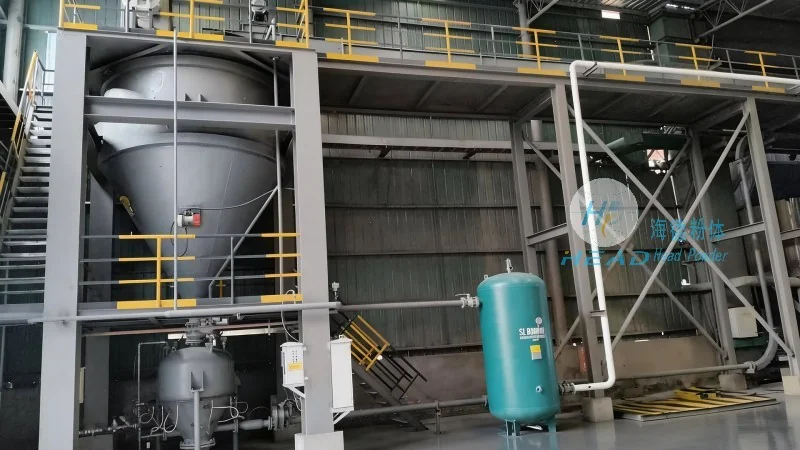
HeadPowder, a leading provider of material handling solutions, specializes in designing and manufacturing advanced boron powder conveying systems tailored to meet the demands of various industrial applications. With a strong presence in Shandong, China, HeadPowder leverages years of expertise to deliver reliable, efficient, and safe conveying solutions for boron powder handling. The company’s commitment to quality and innovation has made it a trusted partner for businesses operating in sectors such as chemical manufacturing, metallurgy, and pharmaceuticals, where precise material transport is critical.
Key Features of Air-Driven Boron Powder Conveying Systems
At the core of boron powder conveying systems is air-driven (pneumatic) technology, which uses compressed air to move powder particles through a network of pipes and equipment. This method offers several advantages over traditional mechanical conveying systems, making it the preferred choice for many industries dealing with fine powders like boron. One of the primary benefits is the ability to handle highly abrasive or corrosive materials without the need for moving parts that could wear out or cause contamination. Air-driven systems also provide excellent control over material flow, allowing for precise dosing and regulation of boron powder delivery to downstream processes.
Another significant advantage is the reduced risk of product contamination. Unlike mechanical systems that may introduce metal particles or other contaminants into the powder stream, air-driven conveying uses clean air and sealed pipelines, maintaining the purity of the boron powder. This is particularly important in applications where boron powder is used in sensitive processes, such as pharmaceutical production or high-purity chemical synthesis. Additionally, air-driven systems are generally more energy-efficient compared to mechanical systems, as they rely on compressed air rather than motor-driven pumps or belts.
Components of a Typical Boron Powder Conveying System
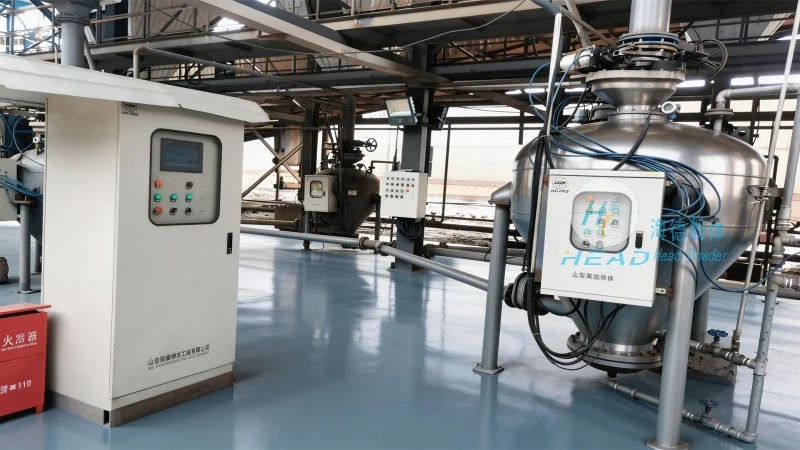
A boron powder conveying system typically consists of several key components that work together to ensure efficient material transport. The main elements include a hopper or feeder to store and meter the boron powder, a compressor or air source to generate the necessary pressure, a conveying line (usually made of stainless steel or other corrosion-resistant materials to prevent contamination), and a receiver or destination vessel to collect the transported powder. The system may also include additional components such as filters to remove moisture or dust from the air, and control valves to regulate the flow rate.
The hopper or feeder is designed to handle the bulk storage of boron powder and ensure a consistent feed rate to the conveying line. It often includes features like level sensors and discharge valves to maintain optimal material levels and prevent overfilling. The compressor or air source provides the pressure needed to move the powder through the system, with adjustable pressure settings allowing for control over the conveying speed and distance. The conveying line is typically made of materials like stainless steel or polyethylene, chosen for their resistance to boron powder corrosion and their ability to maintain a clean, sealed environment. The receiver or destination vessel collects the transported powder and may include features like agitators or mixers to ensure uniform distribution of the material.
Advantages of Air-Driven Boron Powder Conveying Over Other Methods
Compared to other conveying methods, such as screw conveyors or belt conveyors, air-driven systems offer distinct advantages for boron powder transport. Screw conveyors, for example, are prone to clogging with fine powders like boron, as the particles can stick to the screw and create blockages. This can lead to downtime and increased maintenance costs. In contrast, air-driven systems use the force of compressed air to push the powder through the pipeline, preventing clogging and ensuring continuous operation. Belt conveyors, while effective for larger bulk materials, are not suitable for fine powders due to the risk of dust generation and product loss.
Another advantage is the flexibility of air-driven systems. They can be easily adapted to different conveying distances and layouts, with the ability to add or remove sections of the pipeline as needed. This makes them ideal for complex industrial setups where material needs to be transported from multiple sources to various destinations. Additionally, air-driven systems are more compact and require less floor space compared to mechanical systems, making them suitable for facilities with limited space.
Applications of Boron Powder Conveying Systems
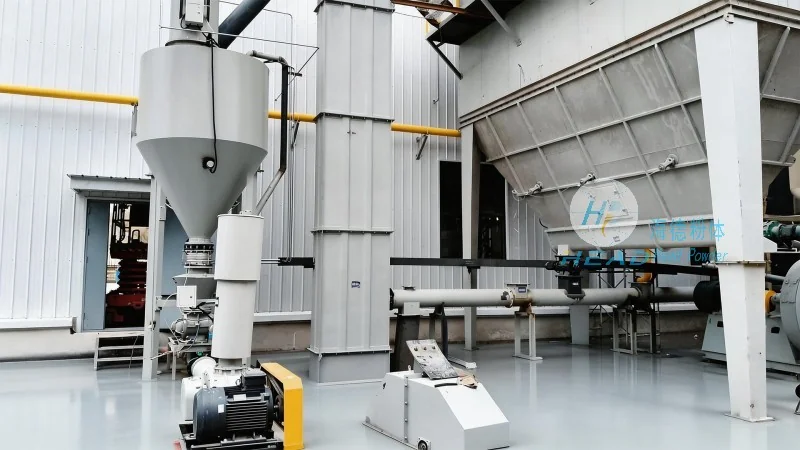
Boron powder conveying systems are widely used in various industries where boron is a key component in manufacturing processes. In the chemical industry, boron powder is used in the production of borates, which are essential in glass manufacturing, detergents, and agricultural fertilizers. The conveying system ensures that boron powder is delivered to reactors and mixing tanks in precise quantities, maintaining the quality and consistency of the final products. In metallurgy, boron is used as an alloying agent to improve the strength and hardness of steel and other metals. The air-driven system allows for the efficient transport of boron powder to melting furnaces and casting equipment, ensuring uniform distribution of the alloying element.
In the pharmaceutical industry, boron powder is used in the production of certain medications and supplements. The strict quality control requirements in this sector make air-driven conveying systems ideal, as they prevent contamination and ensure the purity of the material. The system can be integrated with other processing equipment, such as mixers and granulators, to create a seamless production line for boron-based pharmaceutical products. In the electronics industry, boron is used in the manufacturing of semiconductors and other components. The precise control offered by air-driven systems is crucial for maintaining the purity and consistency of the powder, which is essential for the performance of electronic devices.
Conclusion and Company Overview
As the demand for efficient and safe boron powder handling solutions continues to grow, air-driven conveying systems remain a top choice for industries worldwide. HeadPowder, with its expertise in material handling and commitment to quality, provides comprehensive solutions that address the unique challenges of boron powder transport. By leveraging advanced technology and tailored designs, HeadPowder ensures that boron powder is conveyed with precision, reliability, and minimal risk of contamination. With operations based in Shandong, China, HeadPowder serves clients globally, delivering systems that meet the highest standards of performance and safety. For businesses looking to optimize their boron powder handling processes, HeadPowder’s air-driven conveying systems offer a reliable and efficient solution.