

Analysis of Slag Pneumatic Conveying Technology: Comparison of Positive and Negative Pressure Modes
Slag, a byproduct of steelmaking, is a crucial material in construction and industrial applications. Efficient and reliable transportation of slag is essential for optimizing production processes and ensuring quality. Pneumatic conveying technology offers a versatile solution for handling slag, with two primary modes: positive pressure and negative pressure. This article provides a detailed analysis of these two modes, highlighting their operational principles, advantages, and practical applications in the context of slag handling.
Introduction to Slag Pneumatic Conveying
Slag, formed during the smelting of iron ore and other raw materials, contains valuable minerals and can be recycled for various construction purposes. Traditional methods of slag transport, such as trucks or conveyor belts, often face challenges like material degradation, dust emissions, and high operational costs. Pneumatic conveying systems provide a more efficient alternative by using air to transport dry or semi-dry materials through a pipeline network. The choice between positive and negative pressure systems depends on factors like material characteristics, distance, and system complexity.
Positive Pressure Pneumatic Conveying Systems
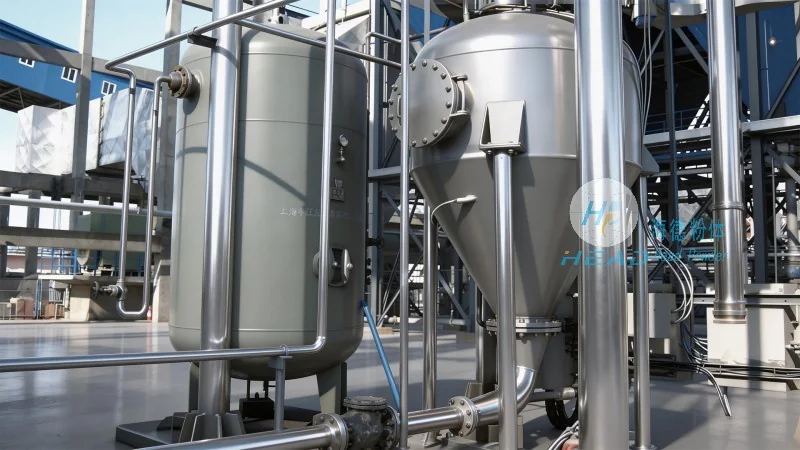
Positive pressure systems operate by generating high-pressure air at the material inlet, forcing the slag particles through the pipeline. This mode is particularly suitable for transporting abrasive or high-density materials like slag, as the high pressure ensures consistent flow and minimal blockages. The system typically includes a blower, a material feeder, and a pipeline network. The blower compresses air and mixes it with the slag, creating a dense phase flow that moves the material to the destination. One of the key advantages of positive pressure systems is their ability to handle long distances and multiple transfer points without significant pressure loss. However, they require robust equipment to withstand high pressures and may generate more noise and vibration compared to negative pressure systems.
Negative Pressure Pneumatic Conveying Systems
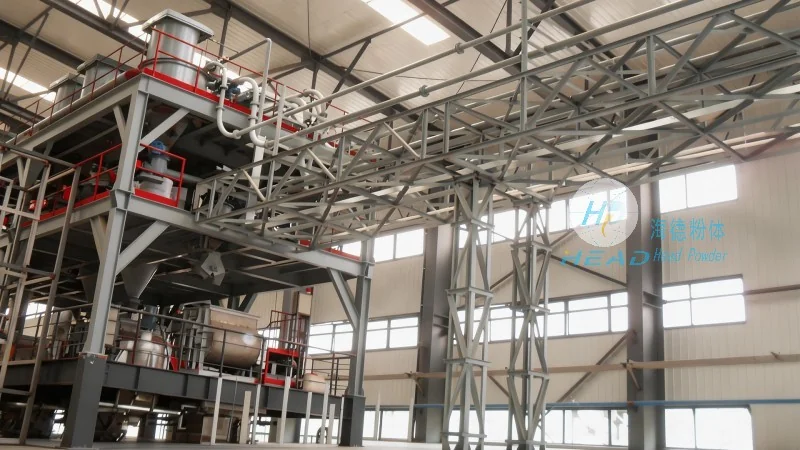
Negative pressure systems, also known as vacuum or suction systems, operate by creating a low-pressure environment at the material outlet, drawing the slag particles into the pipeline. This mode is ideal for applications where the material needs to be transported from a source to a destination with a lower elevation or where dust containment is critical. The system consists of a vacuum pump, a material inlet, and a pipeline network. The vacuum pump creates a suction force that pulls the slag particles into the pipeline, maintaining a consistent flow. Negative pressure systems are generally quieter and less noisy than positive pressure systems, making them suitable for indoor or environmentally sensitive applications. However, they may have limitations in handling long distances or high-density materials, as the suction force can be insufficient to maintain flow over extended distances.
Key Factors in Choosing Between Positive and Negative Pressure Systems
The selection of a pneumatic conveying system for slag transport depends on several critical factors. Material properties, such as particle size, density, and moisture content, play a significant role. For example, fine-grained slag with high moisture content may require a positive pressure system to ensure proper flow and prevent clogging. The distance between the source and destination is another crucial factor. Positive pressure systems are often preferred for longer distances due to their ability to maintain pressure over extended pipelines. System complexity and maintenance requirements also influence the choice. Positive pressure systems may require more maintenance due to the high-pressure components, while negative pressure systems may need more frequent filter changes to prevent dust accumulation. Cost considerations, including initial investment and operational expenses, are also important. Positive pressure systems may have higher initial costs due to the blower and high-pressure components, but they can offer lower long-term operational costs for long-distance transport. Negative pressure systems may have lower initial costs but higher maintenance costs due to the vacuum pump and filtration systems.
Applications of Slag Pneumatic Conveying in Industrial Settings
Slag pneumatic conveying systems are widely used in various industrial applications. In steel mills, these systems transport slag from the furnace to storage facilities or recycling plants. The positive pressure mode is commonly used for this application due to the high density and abrasive nature of the slag. In construction companies, slag is used as a raw material for concrete production. Pneumatic conveying systems efficiently transport the slag from storage to the mixing plant, ensuring consistent quality and reducing material handling time. In power plants, slag from coal combustion is transported to disposal sites or recycling facilities. Negative pressure systems are often used in these applications to minimize dust emissions and maintain environmental compliance. The choice of system depends on the specific requirements of each industrial setting, including material characteristics, distance, and environmental regulations.
Advantages and Limitations of Each Mode
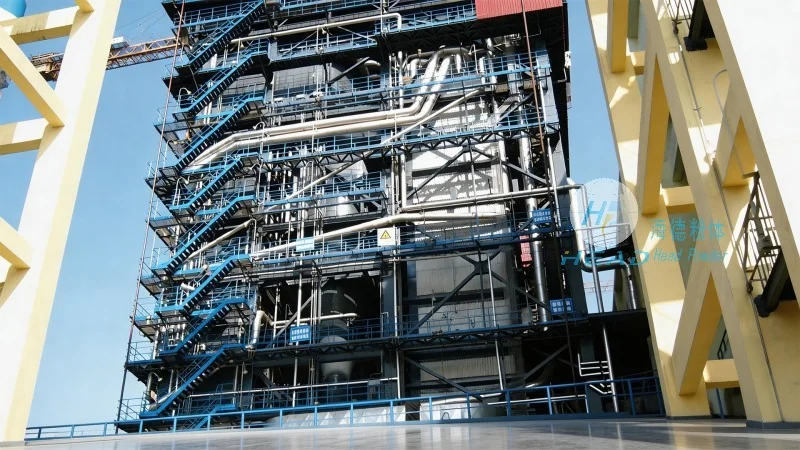
Both positive and negative pressure pneumatic conveying systems have distinct advantages and limitations. Positive pressure systems offer high efficiency in transporting abrasive and high-density materials over long distances. They are suitable for applications where the material needs to be delivered to multiple points or where the destination is at a higher elevation. However, they may generate more noise and vibration, require robust equipment to handle high pressures, and may have higher operational costs due to the energy consumption of the blower. Negative pressure systems are quieter and less noisy, making them ideal for indoor or environmentally sensitive applications. They are suitable for applications where the material needs to be transported from a higher to a lower elevation or where dust containment is critical. However, they may have limitations in handling long distances or high-density materials, as the suction force can be insufficient to maintain flow over extended pipelines. The choice between the two modes should be based on a thorough analysis of the specific application requirements and operational constraints.
Conclusion
Pneumatic conveying technology provides an efficient and reliable solution for transporting slag in various industrial applications. The choice between positive and negative pressure systems depends on factors such as material properties, distance, system complexity, and cost considerations. Positive pressure systems are generally preferred for long-distance transport of abrasive and high-density slag, while negative pressure systems are suitable for shorter distances or applications requiring dust containment. By understanding the operational principles and advantages of each mode, industrial operators can select the most appropriate pneumatic conveying system to optimize slag handling processes and ensure operational efficiency. The continued development of advanced pneumatic conveying technologies will further enhance the efficiency and reliability of slag transport, contributing to sustainable industrial practices.