

Analysis of Carbon Powder Pneumatic Conveying Technology: Comparison of Positive Pressure and Negati
Carbon powder pneumatic conveying technology is a critical method for transporting fine powders like carbon powder in industrial applications. This technology involves using air or gas to move particles through a pipeline system, and it is widely used in various industries such as chemical processing, food processing, and pharmaceutical manufacturing. The choice between positive pressure and negative pressure modes significantly impacts the efficiency, cost, and safety of the conveying process. This article provides a detailed analysis of these two modes, highlighting their differences, advantages, and practical applications.
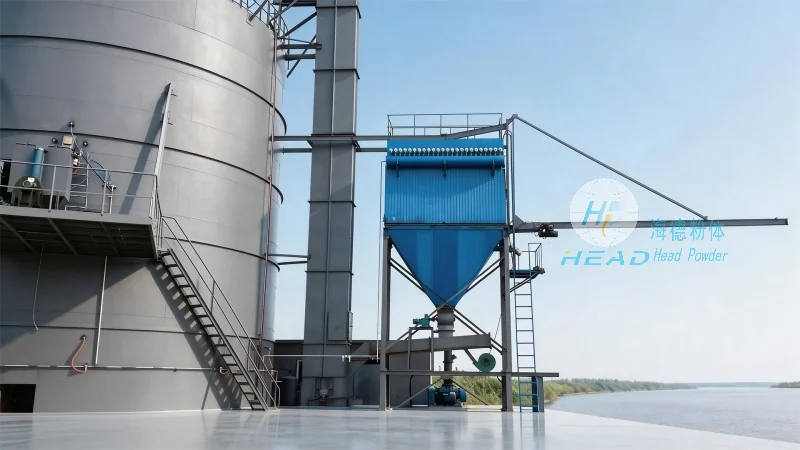
Understanding Pneumatic Conveying Modes
Pneumatic conveying systems are categorized into two main types based on the pressure differential within the pipeline: positive pressure and negative pressure. The fundamental difference lies in how the system generates the necessary airflow to move the powder. In positive pressure systems, the conveying line is pressurized above the ambient air pressure, while in negative pressure systems, the line is maintained at a lower pressure than the surrounding environment.
Positive Pressure Pneumatic Conveying
Positive pressure conveying, also known as pressure conveying, operates by blowing air or gas into the conveying line, creating a pressure higher than the ambient air. This method is particularly effective for long-distance and high-capacity conveying of carbon powder. The system typically includes a blower or compressor at the inlet, which supplies the pressurized air to push the powder particles through the pipeline. The positive pressure mode is well-suited for applications where the powder needs to be transported over significant distances or through complex network systems. It also offers better control over the flow rate and can handle abrasive or corrosive powders more effectively due to the higher air velocity and pressure.
A key advantage of positive pressure systems is their ability to handle high volumes of material efficiently. They are often used in large-scale industrial settings where continuous operation is required. However, this mode may require more robust equipment and higher energy consumption compared to negative pressure systems. The increased pressure also necessitates more stringent sealing and maintenance to prevent air leaks, which could compromise the system's performance and safety.
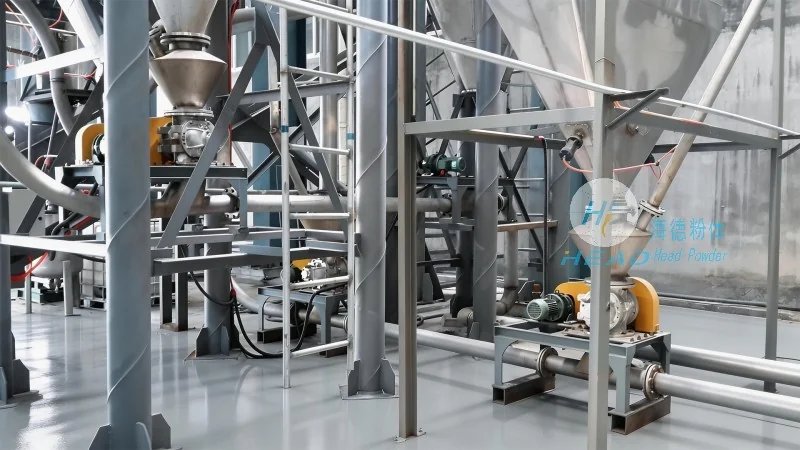
Negative Pressure Pneumatic Conveying
Negative pressure conveying, or vacuum conveying, works by creating a vacuum in the conveying line, causing the ambient air to draw the powder particles into the system. The suction is generated by a vacuum pump or fan located at the outlet of the pipeline. This method is commonly used for shorter distances and for handling more delicate or sensitive powders that are prone to caking or agglomeration. Negative pressure systems are generally more energy-efficient for shorter conveying distances and can be more cost-effective for smaller-scale operations.
One of the main benefits of negative pressure conveying is its gentler handling of the powder. The lower air velocity and pressure reduce the risk of particle breakage or degradation, making it ideal for transporting valuable or heat-sensitive carbon powders. However, this mode has limitations in terms of conveying distance and capacity. The suction power diminishes over longer distances, and the system may not be suitable for transporting large volumes of material efficiently. Additionally, negative pressure systems are more susceptible to clogging due to the lower air velocity, which can lead to operational issues if not properly maintained.
Comparison of Positive and Negative Pressure Modes
When comparing positive and negative pressure pneumatic conveying for carbon powder, several factors must be considered. The choice depends on the specific application requirements, including the distance of the conveying line, the volume of material to be transported, the nature of the powder (e.g., particle size, moisture content, and flowability), and the available infrastructure and budget.
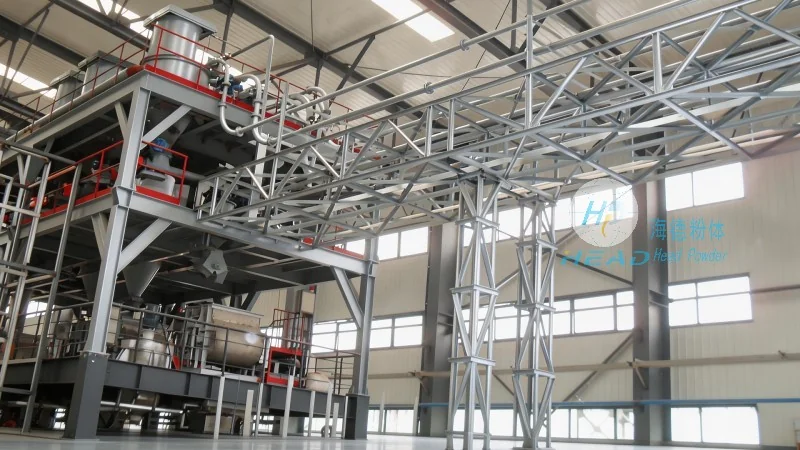
For long-distance and high-capacity applications, positive pressure systems are generally more suitable due to their higher conveying efficiency and ability to handle abrasive or corrosive powders. They offer better control over the flow rate and can maintain consistent performance over extended periods. On the other hand, negative pressure systems are preferred for shorter distances and for handling delicate or sensitive powders where gentler handling is crucial. They are more energy-efficient for these applications and can be more cost-effective in terms of initial setup and maintenance.
Cost is another significant factor in the selection process. Positive pressure systems typically require more expensive equipment, such as high-capacity blowers and robust pipelines, which increases the initial investment. However, their higher efficiency and longer operational life can offset these costs over time. Negative pressure systems, while less expensive initially, may incur higher operational costs due to the need for more frequent maintenance and potential energy inefficiencies for longer distances.
Practical Applications and Considerations
Both positive and negative pressure modes have distinct applications in the carbon powder industry. Positive pressure systems are commonly used in large-scale production lines for transporting carbon powder from storage silos to processing units, such as reactors or mixers. They are also suitable for conveying carbon powder in chemical plants where high throughput is required. Negative pressure systems, on the other hand, are often used in laboratory settings or for small-scale production where the powder needs to be handled with minimal disturbance. They are also ideal for applications where the powder is sensitive to air exposure or where the conveying distance is limited to a few meters.
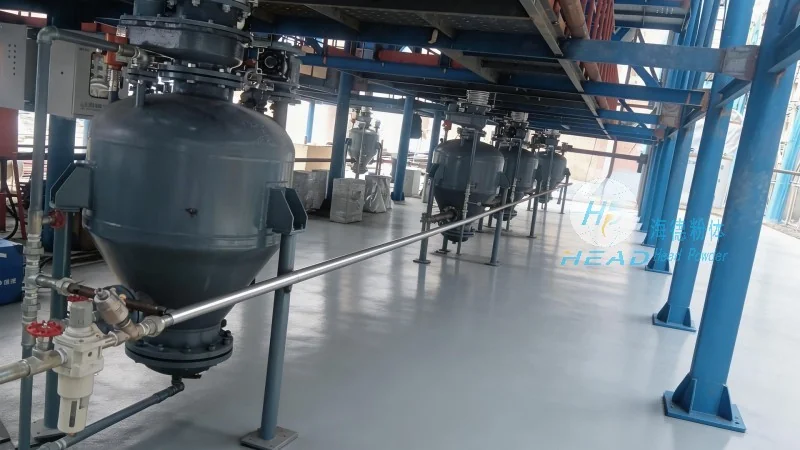
When implementing either system, several considerations must be addressed to ensure optimal performance and safety. Proper pipeline design is crucial to minimize pressure drops and prevent clogging. The choice of materials for the pipeline and components must be compatible with the carbon powder and the conveying medium (air or gas). Regular maintenance, including cleaning and inspection of the system, is essential to maintain efficiency and prevent equipment failure. Additionally, safety measures, such as explosion-proof designs for positive pressure systems and proper ventilation for negative pressure systems, must be implemented to comply with industrial safety regulations.
Conclusion
In conclusion, the selection between positive and negative pressure pneumatic conveying modes for carbon powder depends on a variety of factors, including the application requirements, material characteristics, and operational constraints. Positive pressure systems offer higher efficiency and capacity for long-distance conveying, while negative pressure systems provide gentler handling and energy efficiency for shorter distances and delicate powders. Understanding the differences and advantages of each mode is essential for optimizing the conveying process and ensuring the reliability and safety of industrial operations.
Shandong HeadPowder Engineering Co., Ltd. specializes in providing advanced pneumatic conveying solutions tailored to the specific needs of carbon powder applications. With years of experience in the industry, the company offers customized systems that integrate the most suitable conveying mode based on the client's requirements. The company's commitment to quality and innovation ensures that clients receive efficient, reliable, and cost-effective solutions for their material handling needs. Located in Shandong, China, HeadPowder Engineering Co., Ltd. serves a wide range of industries, helping businesses improve their production processes and enhance operational efficiency.