

Analysis of Powdered Calcium Pneumatic Conveying Technology: Comparison of Positive and Negative Pre
Powdered calcium is a critical material in various industrial applications, including construction, food processing, and pharmaceuticals. The efficient and reliable transport of this fine powder is essential for maintaining production efficiency and product quality. Pneumatic conveying technology has emerged as a preferred method for handling such materials due to its ability to minimize dust, reduce contamination, and enhance process control. This article provides a detailed analysis of the two primary modes of pneumatic conveying—positive pressure and negative pressure systems—specifically tailored for powdered calcium applications.
Positive Pressure Pneumatic Conveying Systems
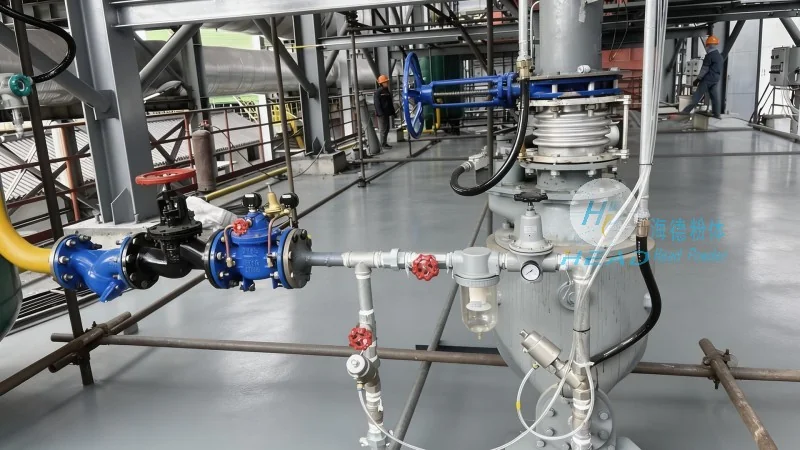
Positive pressure systems operate by blowing air or gas into the conveying line, creating a pressure higher than the ambient air pressure. This method is particularly effective for transporting powdered calcium over long distances or through complex system layouts. The positive pressure mode ensures that the material is continuously pushed through the pipeline, reducing the risk of blockages and ensuring consistent flow rates. For applications involving powdered calcium, positive pressure systems often utilize high-pressure air compressors to generate the necessary force. The system typically includes a hopper, a rotary airlock feeder, and a conveying pipeline, with the material being drawn from the hopper and propelled forward by the pressurized air.
In the context of powdered calcium, positive pressure systems offer several advantages. They are well-suited for handling materials with high moisture content or those that are prone to caking, as the continuous air flow helps maintain the material's flowability. Additionally, these systems can be designed to handle abrasive materials without significant wear on the equipment, making them durable for long-term operation. However, positive pressure systems may require more energy compared to negative pressure systems, and they can generate more noise and air pollution if not properly managed.
Negative Pressure Pneumatic Conveying Systems
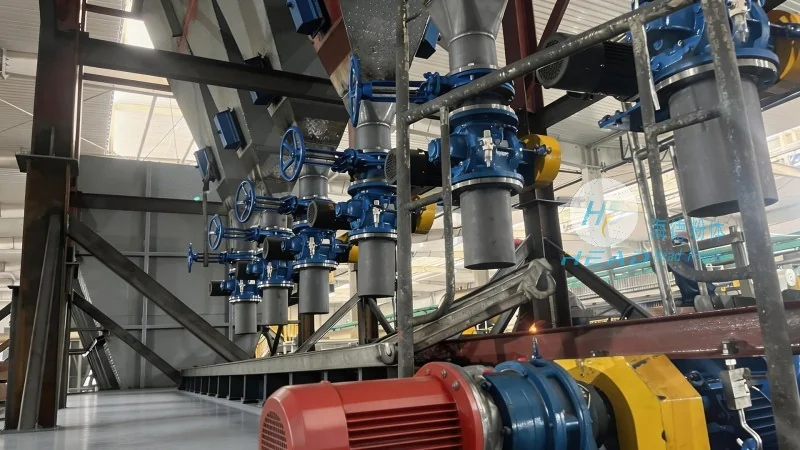
Negative pressure systems, also known as vacuum or suction systems, operate by creating a vacuum in the conveying line, drawing the material into the pipeline using the pressure differential. This method is ideal for short-distance transport or when the material needs to be collected from multiple points. For powdered calcium, negative pressure systems are often used in applications where the material is to be transferred from a hopper or silo to a processing unit, as they can efficiently handle fine powders without the need for high-pressure air.
Unlike positive pressure systems, negative pressure systems rely on vacuum pumps to create the suction force. The material is drawn into the pipeline through a suction nozzle or a rotary valve, and the air containing the powder is then filtered and released into the atmosphere. In applications involving powdered calcium, negative pressure systems are advantageous for their lower energy consumption and reduced noise levels. They are also suitable for handling materials that are sensitive to pressure changes or those that require a gentle handling process. However, negative pressure systems may be less effective for long-distance transport and can be more prone to blockages if the material is too fine or has high moisture content.
Key Considerations for Choosing Between Positive and Negative Pressure Modes
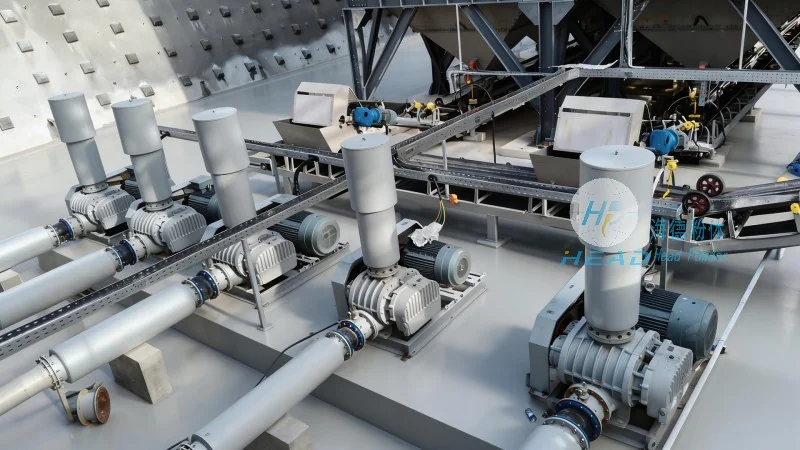
When selecting a pneumatic conveying system for powdered calcium, several factors must be considered to ensure optimal performance and efficiency. The primary considerations include the distance of material transport, the complexity of the system layout, the material properties (such as particle size, moisture content, and flowability), and the available space and budget. For long-distance or complex layouts, positive pressure systems are generally preferred due to their ability to maintain consistent flow rates and minimize blockages. Conversely, for short-distance transport or when space is limited, negative pressure systems offer a more compact and energy-efficient solution.
Material properties play a crucial role in system selection. For example, if the powdered calcium has high moisture content or is prone to caking, positive pressure systems with continuous air flow can help maintain the material's flowability. On the other hand, if the material is very fine or sensitive to pressure changes, negative pressure systems may be more suitable to avoid agglomeration or damage. Additionally, the cost of equipment and maintenance should be evaluated, as positive pressure systems typically require more robust components (such as high-pressure air compressors) and may have higher operational costs compared to negative pressure systems.
HeadPowder Engineering: Expertise in Pneumatic Conveying Solutions
Shandong HeadPowder Engineering Co., Ltd., commonly known as HeadPowder, is a leading provider of specialized engineering solutions for the handling and transport of powdered materials. With years of experience in the industry, HeadPowder has developed a deep understanding of the unique challenges associated with transporting materials like powdered calcium. The company specializes in designing and manufacturing customized pneumatic conveying systems tailored to the specific needs of its clients, ensuring optimal performance and reliability.
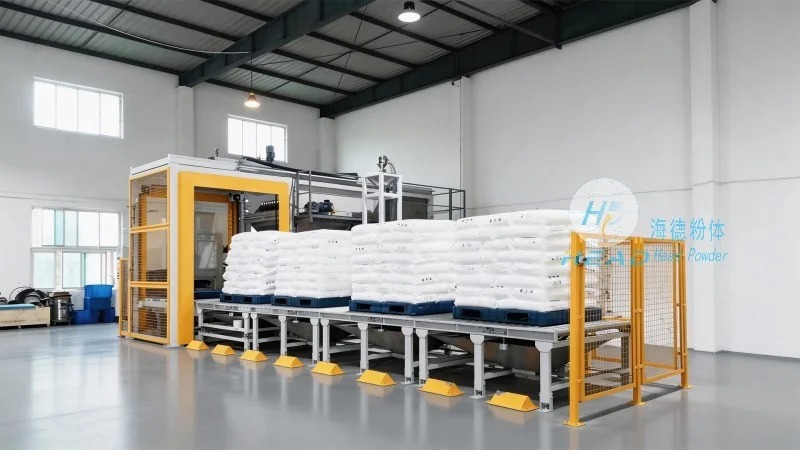
HeadPowder's expertise lies in its ability to integrate advanced technology with practical engineering solutions. The company's team of experienced engineers works closely with clients to assess their material handling requirements, evaluate the suitability of different conveying modes, and recommend the most appropriate system configuration. Whether a positive pressure or negative pressure system is chosen, HeadPowder ensures that the system is designed to meet the highest standards of efficiency, safety, and durability.
For clients in the powdered calcium industry, HeadPowder offers comprehensive services, including system design, installation, and maintenance. The company's commitment to quality and customer satisfaction is reflected in its use of high-quality materials and components, as well as its rigorous testing and validation processes. By partnering with HeadPowder, clients can benefit from tailored solutions that enhance their production processes, reduce operational costs, and improve overall product quality.