

Analysis of River Sand Pneumatic Conveying Technology: Comparison of Positive and Negative Pressure
For industries dealing with bulk materials like river sand, selecting the right pneumatic conveying system is crucial for efficiency, cost-effectiveness, and operational reliability. Pneumatic conveying technology offers a dust-free and automated solution for transporting materials over short to medium distances. Among the various methods available, positive pressure and negative pressure systems are the two primary approaches. This article provides a detailed analysis of these two modes, focusing on their applications, technical characteristics, and suitability for river sand handling, with insights from Shandong HeadPowder Engineering Co., Ltd.
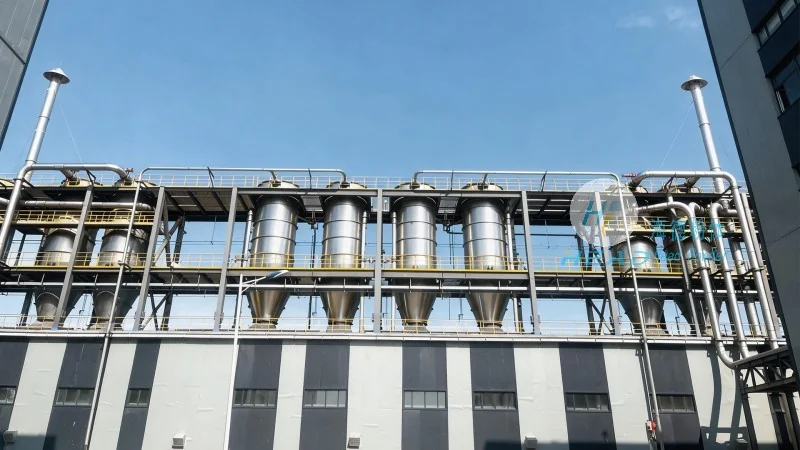
Overview of Pneumatic Conveying Systems
Pneumatic conveying systems use air or gas to transport solid materials through a pipeline. The choice between positive and negative pressure modes depends on factors such as material properties, distance, volume, and the need for containment. Both systems have their advantages and limitations, making it essential to understand their operational principles before selecting the appropriate technology.
Positive Pressure Pneumatic Conveying
Positive pressure systems operate by blowing air or gas into the conveying line, creating a pressure higher than the ambient air pressure. This method is commonly used for short to medium distance transport, typically up to several hundred meters. The primary advantage of positive pressure is its ability to handle abrasive materials like river sand without causing excessive wear on the system components. The high pressure also ensures that the material is conveyed at a consistent velocity, reducing the risk of clogging or blockages.
Shandong HeadPowder Engineering Co., Ltd. specializes in designing and manufacturing positive pressure pneumatic conveying systems tailored for river sand applications. Their systems are engineered to withstand the abrasive nature of river sand, with components such as high-quality stainless steel or wear-resistant materials used in critical areas. The company’s expertise in material handling ensures that the conveying lines are optimized for efficient transport, minimizing energy consumption and maximizing throughput.
Negative Pressure Pneumatic Conveying
Negative pressure systems, also known as vacuum or suction systems, operate by creating a vacuum in the conveying line, drawing material from the source into the system. This mode is typically used for longer distances or when the material needs to be transported from multiple points into a central collection point. The key advantage of negative pressure is its ability to handle fine or dusty materials without generating excessive dust emissions. However, it may be less efficient for abrasive materials like river sand due to the higher risk of wear on the suction side components.
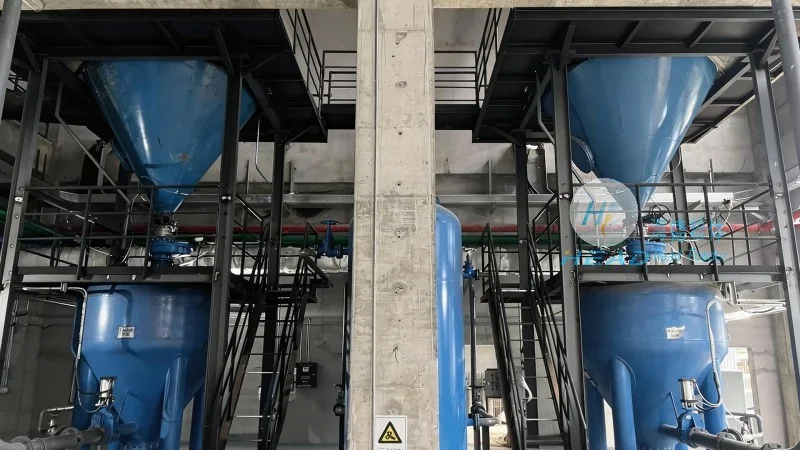
For river sand applications, negative pressure systems require careful design to prevent clogging and maintain consistent flow. Shandong HeadPowder Engineering Co., Ltd. offers negative pressure solutions that incorporate advanced filtration and material separation technologies to ensure smooth operation. Their systems are equipped with high-efficiency filters that capture fine particles, reducing the risk of system blockages and extending the lifespan of components.
Comparison of Positive and Negative Pressure Modes for River Sand
When comparing positive and negative pressure systems for river sand, several factors must be considered. Positive pressure systems are generally more suitable for short to medium distances and high-volume transport, as they can maintain consistent pressure and velocity. They are also less prone to clogging and offer better control over material flow. On the other hand, negative pressure systems are ideal for longer distances or when the material needs to be collected from multiple sources, as they can draw material from various points into a central location.
From an operational perspective, positive pressure systems typically require higher energy input due to the need to generate high pressure air. However, this is offset by their efficiency in handling abrasive materials. Negative pressure systems, while requiring less energy for suction, may need more frequent maintenance due to the wear on suction components. Shandong HeadPowder Engineering Co., Ltd. recommends evaluating the specific requirements of the river sand handling application, including distance, material characteristics, and budget constraints, to determine the most suitable mode.
Key Considerations for Selecting the Right System
Choosing between positive and negative pressure pneumatic conveying systems for river sand involves a careful assessment of several technical and operational factors. The first consideration is the distance and layout of the conveying route. Short to medium distances (up to 200 meters) are well-suited for positive pressure systems, while longer distances (over 200 meters) may benefit from negative pressure or a combination of both (dual mode systems).
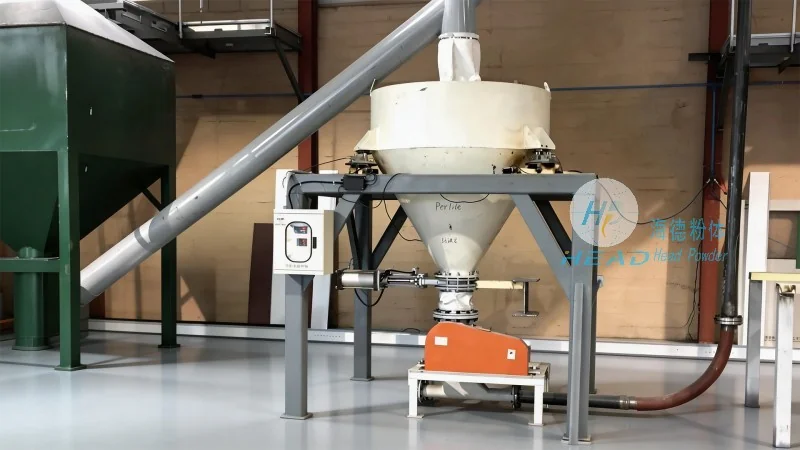
Material properties, such as the size, shape, and abrasiveness of river sand, also play a critical role. Abrasive materials like river sand can cause significant wear on system components, and positive pressure systems, with their higher pressure and velocity, may be more resistant to this wear compared to negative pressure systems. Additionally, the need for dust containment and environmental regulations should be considered. Positive pressure systems may require additional filtration to meet emission standards, while negative pressure systems inherently contain dust within the system.
Cost is another important factor. Positive pressure systems generally have higher initial investment due to the need for high-pressure blowers and robust components. However, their lower maintenance costs and higher efficiency in handling abrasive materials can lead to long-term savings. Negative pressure systems have lower initial costs but may incur higher maintenance expenses due to component wear. Shandong HeadPowder Engineering Co., Ltd. provides customized solutions that balance these factors, ensuring that the selected system meets both operational and financial requirements.
Conclusion
In conclusion, both positive and negative pressure pneumatic conveying systems offer viable solutions for river sand handling, with each mode having its own advantages and limitations. Positive pressure systems are ideal for short to medium distances and high-volume transport, providing efficient and reliable material movement with minimal clogging. Negative pressure systems are better suited for longer distances or when the material needs to be collected from multiple sources, offering dust containment and flexibility. The choice between the two depends on the specific application requirements, material characteristics, and operational constraints.
Shandong HeadPowder Engineering Co., Ltd. specializes in designing and implementing pneumatic conveying systems tailored to the unique needs of river sand applications. With their expertise in material handling and system optimization, they provide solutions that enhance operational efficiency, reduce costs, and ensure compliance with industry standards. Whether using positive or negative pressure technology, their systems are engineered to deliver reliable and sustainable performance for river sand transportation.