

Analysis of Earth Dust Pneumatic Conveying Technology: Comparison of Positive and Negative Pressure
Earth dust pneumatic conveying is a critical method for transporting bulk materials like earth, soil, and fine powders in various industrial applications. This technology utilizes air pressure to move materials through pipelines, offering advantages such as dust suppression, reduced material degradation, and improved safety compared to traditional mechanical conveying systems. The core of this technology lies in the two primary modes: positive pressure and negative pressure systems. Understanding the differences between these modes is essential for selecting the most suitable solution for specific operational needs. Shandong HeadPowder Engineering Co., Ltd., a leading provider in this field, offers advanced solutions tailored to diverse earth dust handling requirements.
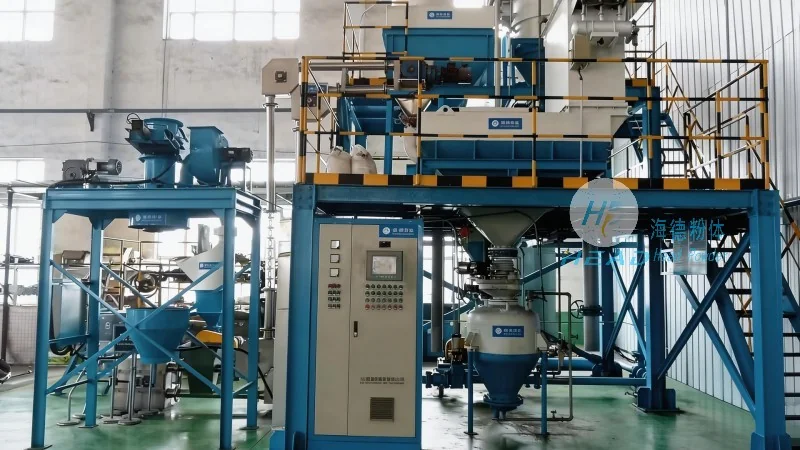
Positive Pressure Pneumatic Conveying System
Positive pressure systems operate by blowing air or a carrier gas into the conveying line, creating a pressure higher than the ambient air pressure. This mode is particularly effective for transporting materials over long distances or through complex pipeline networks. The system typically includes a blower or compressor at the inlet, which generates the necessary pressure to move the material. A key advantage of positive pressure is its ability to handle abrasive or corrosive materials without significant wear on the equipment. Additionally, it can convey materials with higher moisture content, as the pressurized air helps maintain material integrity. However, this mode may require more energy due to the constant pressure maintenance and can be more complex to install, especially for large-scale operations.
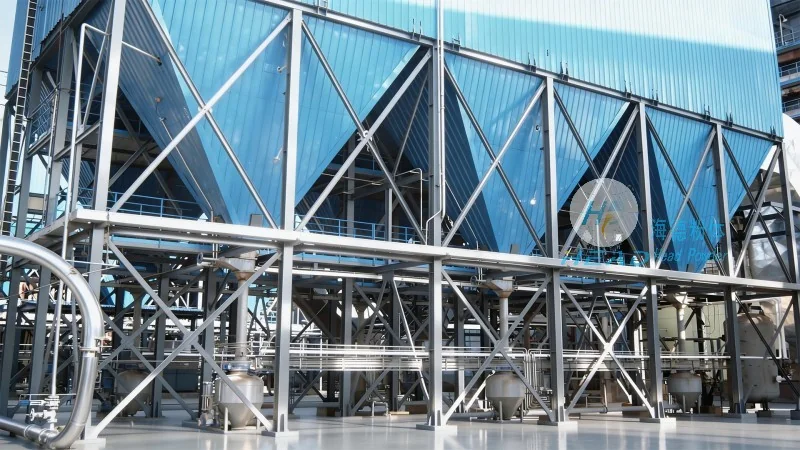
Negative Pressure Pneumatic Conveying System
Negative pressure systems, also known as vacuum systems, work by creating a vacuum at the inlet of the conveying line, drawing material into the pipeline. The system uses a vacuum pump to remove air from the line, creating a pressure lower than the ambient environment. This mode is ideal for applications requiring dust-free handling or when the material source is located at a higher elevation than the destination. Negative pressure systems are often more energy-efficient for short to medium distances and can handle materials with lower moisture content. A significant benefit is the reduced noise and vibration compared to positive pressure systems, making them suitable for environments where noise control is a priority. However, they may struggle with highly abrasive or sticky materials, as the vacuum can cause material buildup in the pipeline, leading to blockages. Additionally, the system's capacity is generally lower than positive pressure systems, limiting its use in large-scale bulk material transport.
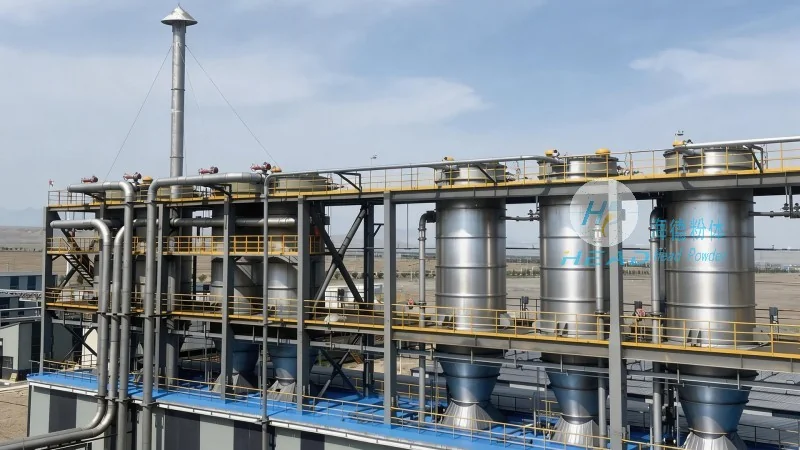
Key Differences and Selection Criteria
When comparing positive and negative pressure pneumatic conveying systems, several factors must be considered to determine the optimal choice. Distance and pipeline complexity are primary considerations: positive pressure is preferred for long distances or complex networks, while negative pressure is better for shorter distances or when the material source is elevated. Material characteristics, such as abrasiveness, moisture content, and particle size, also play a crucial role. Positive pressure excels with abrasive or moist materials, whereas negative pressure is more suitable for non-abrasive, dry materials. Energy consumption is another critical factor: negative pressure systems are generally more energy-efficient for short distances, while positive pressure may require more power but offers higher capacity. Finally, operational environment and safety requirements should be evaluated. Positive pressure systems may be preferred in hazardous environments due to their sealed design, whereas negative pressure systems are often chosen for applications requiring dust-free handling.
Applications in Earth Dust Handling
Both positive and negative pressure pneumatic conveying systems find extensive applications in earth dust and soil handling. In construction sites, these systems are used to transport excavated soil from the excavation site to disposal or processing areas, ensuring efficient material movement without manual labor. In mining operations, they help move earth and rock from the mine face to processing facilities, improving operational efficiency and reducing labor costs. Additionally, in environmental remediation projects, these systems are employed to transport contaminated soil for treatment or disposal, ensuring compliance with environmental regulations. The choice between the two modes depends on the specific project requirements, such as the distance between the source and destination, the material characteristics, and the operational constraints.
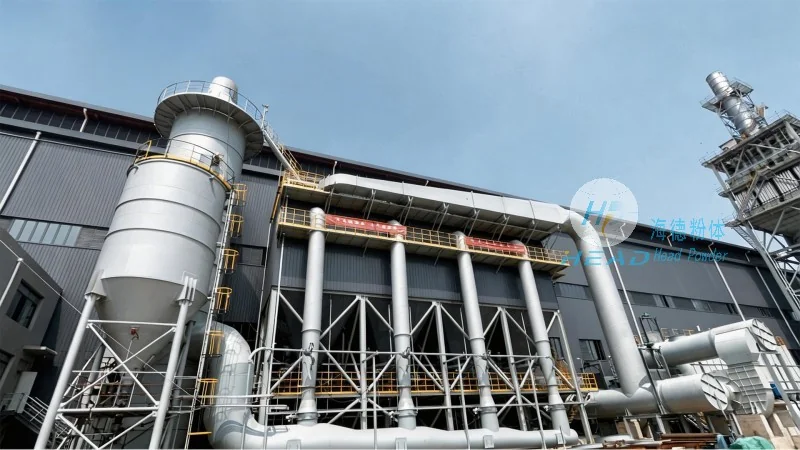
Conclusion
Earth dust pneumatic conveying technology, through its positive and negative pressure modes, offers effective solutions for transporting bulk materials. Positive pressure systems are ideal for long-distance, complex, or abrasive material transport, while negative pressure systems are better suited for shorter distances, elevated sources, or non-abrasive materials. By understanding the operational characteristics and selecting the appropriate mode, industries can enhance efficiency, reduce costs, and improve safety in earth dust handling applications. As technology advances, these systems continue to evolve, providing more efficient and sustainable solutions for bulk material transport.